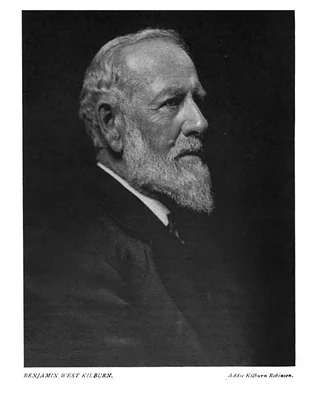
B. W. Kilburn
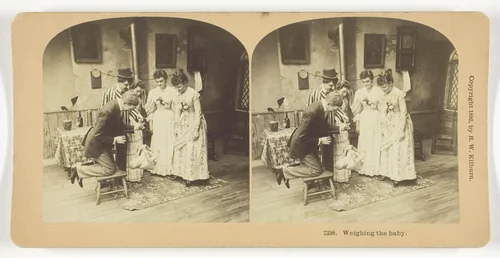
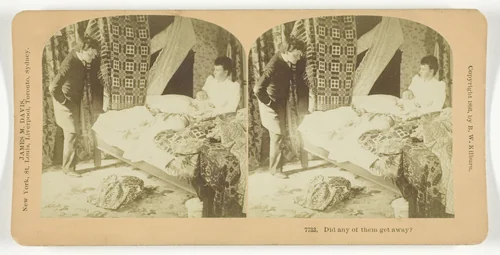
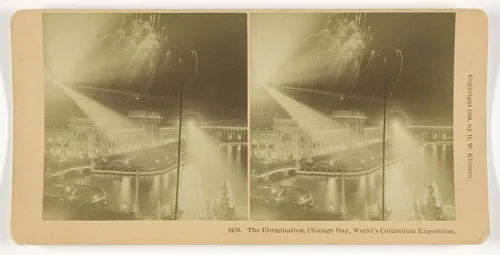
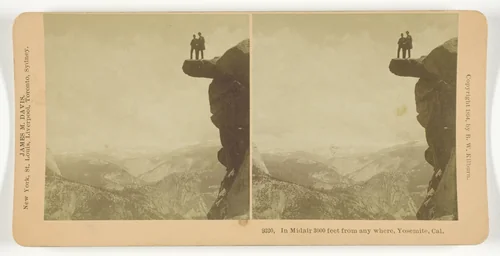
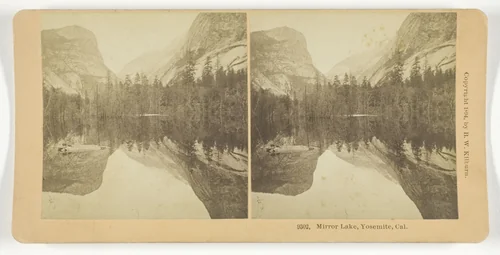
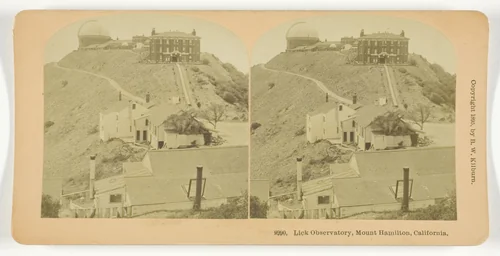
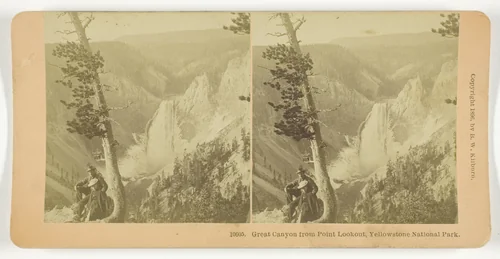
Benjamin West Kilburn (active 1875-1893) stands as a foundational figure in American photography, renowned for establishing the visual lexicon of the late 19th-century North American landscape. Operating primarily as a publisher of stereoscopic views, Kilburn’s commercial reach ensured that his interpretation of the expanding continent, particularly the burgeoning parks system and major civil engineering achievements, became widely disseminated throughout the era. His significant contribution to the visual record is affirmed by the inclusion of his works in prestigious collections, including the Art Institute of Chicago and the National Gallery of Art.
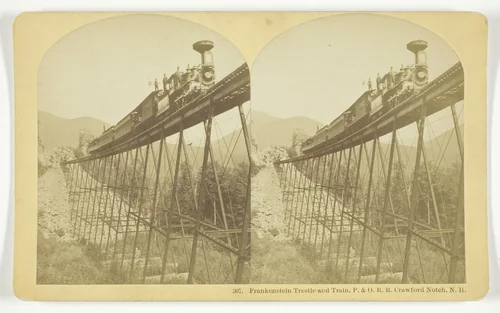
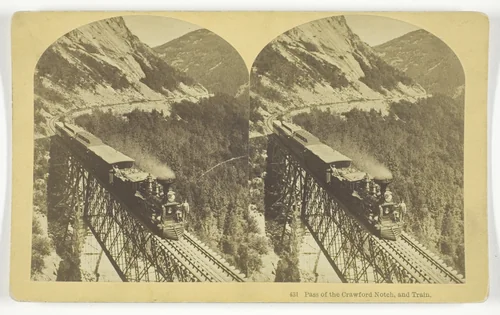
Kilburn devoted significant attention to the dramatic transformation of the Northeast, capturing the scale and dynamism of industrial progress set against enduring natural grandeur. Works like Frankenstein Trestle and Train, P. & O. R.R. Crawford Notch, N.H. and Pass of the Crawford Notch, and Train demonstrate his ability to frame infrastructure, such as railways, as powerful yet integrated elements within the sublime topography of New England. He was also a dedicated chronicler of the great migrations that defined the end of the century, providing unique visual documentation of American mobility and societal change.
Beyond his prolific output of high-quality prints for the consumer market, Kilburn demonstrated an interest in both technology and public service. He successfully patented a specialized, gun-style camera apparatus designed to improve the speed and precision of field work, suggesting that even the seemingly pastoral pursuit of landscape photography sometimes required a bit of rapid-fire ingenuity. In addition to his photographic career, he served as a legislator in the New Hampshire General Court, bridging artistic practice and civic engagement.
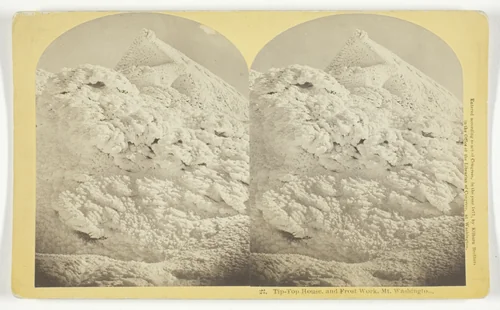
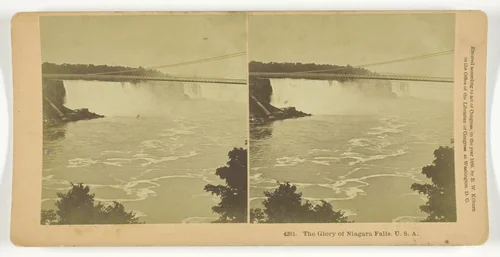
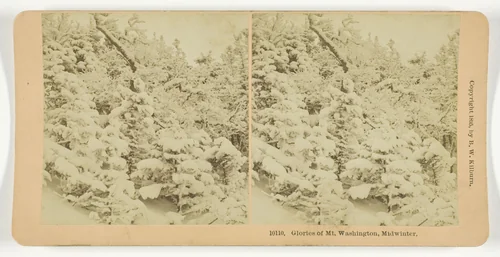
Kilburn's oeuvre demonstrates impressive technical range, capturing both delicate detail, seen in Tip-Top House and Frost Work. Mt. Washington, and overwhelming scale, exemplified by The Glory of Niagara Falls, U.S.A. His B. W. Kilburn prints remain essential historical documents for understanding late 19th-century American identity. Today, many of these photographs, having entered the public domain, are available as downloadable artwork, ensuring their continued accessibility as museum-quality resources for scholars and enthusiasts globally.
Source: Wikipedia · CC BY-SA 4.0