Augustus Welby Northmore Pugin
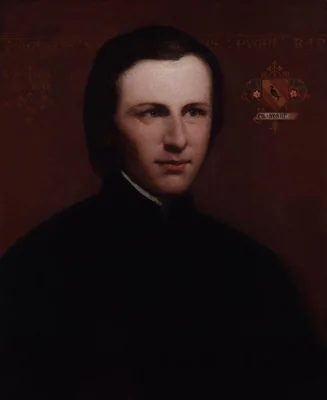
Augustus Welby Northmore Pugin (1812-1852) stands as the defining voice and visual architect of the Gothic Revival movement in 19th-century Britain. This English designer, critic, and architect of French and Swiss origins did not merely seek to replicate medieval aesthetics; he established a comprehensive, often polemical, philosophy that intrinsically linked architectural form to moral rectitude. His prolific output during his active period, primarily the 1830s and 1840s, marked a critical and irreversible transition in Victorian design history.
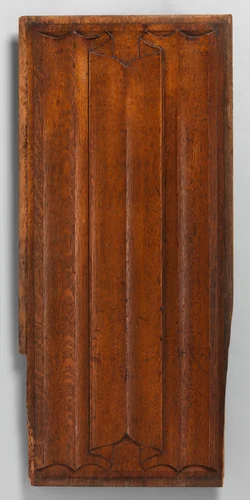
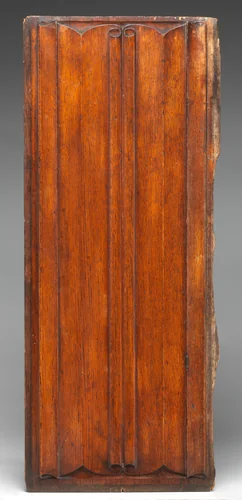
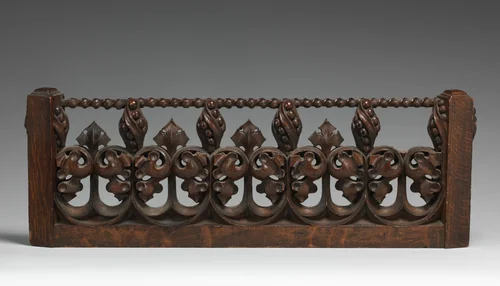
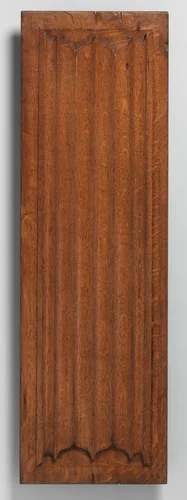
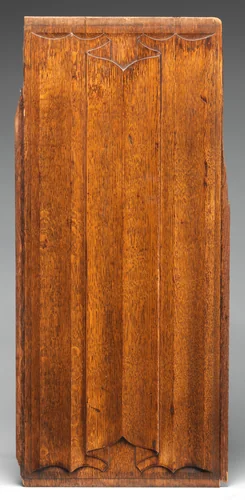
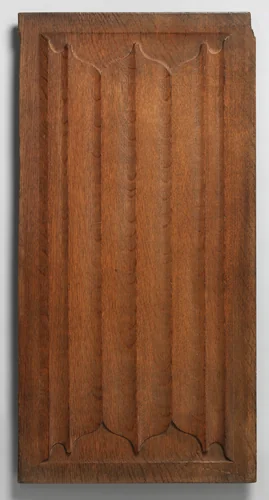
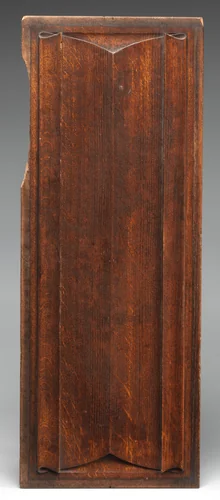
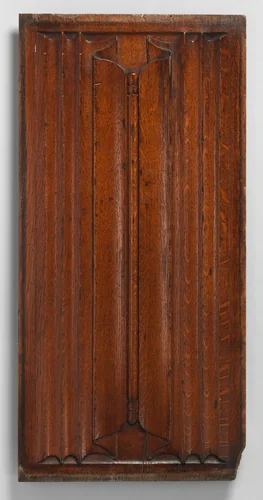
Pugin’s influence culminated in the vast decorative scheme for the new Palace of Westminster in London. Though Sir Charles Barry served as the principal architect, Pugin was responsible for the crucial interior detailing, designing the fittings, furnishings, and intricate ornamental paneling that defined the Parliamentary chambers and halls. His design ethos extended even to the landmark structure of the clock tower, now known as the Elizabeth Tower. An impressive collection of his preliminary studies, including the Archive collection of 22 panels from the Palace of Westminster, are preserved in major collections, offering museum-quality insight into the complex and meticulous nature of his working process.
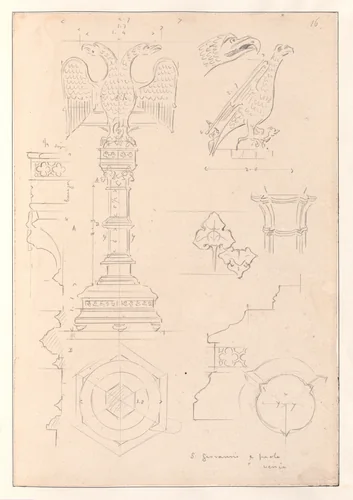
Beyond this civic monumental project, Pugin propagated his style through numerous ecclesiastical commissions, designing churches and cathedral fittings across England, Ireland, and Australia. His ability to produce high-quality prints and detailed original drawings, such as Sketches for an Ecclesiastical Stall, with extraordinary, almost restless, velocity, was a testament to his comprehensive mastery of medieval motif and construction.
It is intriguing to observe that while Pugin championed the return to a perceived medieval spiritual purity in design, his actual working methods were relentlessly industrialized and utterly modern in their efficiency. His foundational critiques and design volumes, including Sketches, Volume one, are today highly sought after; collections such as the Metropolitan Museum of Art hold examples of his drawings and decorative arts. Many original Augustus Welby Northmore Pugin prints and studies are now available to the public domain. His architectural vision survived him, carried forward by his sons, including Edward Welby Pugin and Peter Paul Pugin, who ensured the longevity of the architectural and interior design firm Pugin & Pugin.
Source: Wikipedia · CC BY-SA 4.0