Augustus Saint-Gaudens
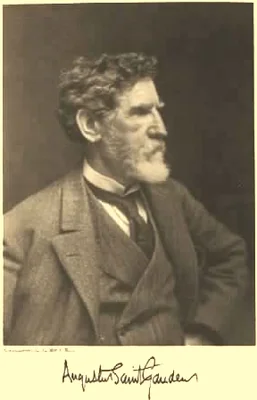
Augustus Saint-Gaudens stands as the preeminent American sculptor of the late nineteenth and early twentieth centuries, successfully embodying the ideals of the American Renaissance. Born in Dublin to an Irish-French family and raised primarily in New York City, his career trajectory established a new benchmark for monumental public sculpture in the United States. His sophisticated training, which included extensive study in Europe, fused classical rigor with the expressive naturalism characteristic of the Beaux-Arts movement.
Upon his return to New York, Saint-Gaudens rapidly achieved major critical and public acclaim, largely fueled by his ambitious commissions commemorating heroes of the American Civil War. These monuments defined the national landscape for commemorative art; many continue to stand as powerful civic markers today. His genius lay in translating complex historic narratives into emotionally resonant bronze and stone. Landmark achievements include the profound Robert Gould Shaw Memorial on Boston Common, the deeply reflective Abraham Lincoln: The Man, and his majestic equestrian monuments, such as the General John Logan Memorial in Chicago’s Grant Park and the definitive portrayal of William Tecumseh Sherman at the entrance to New York’s Central Park.
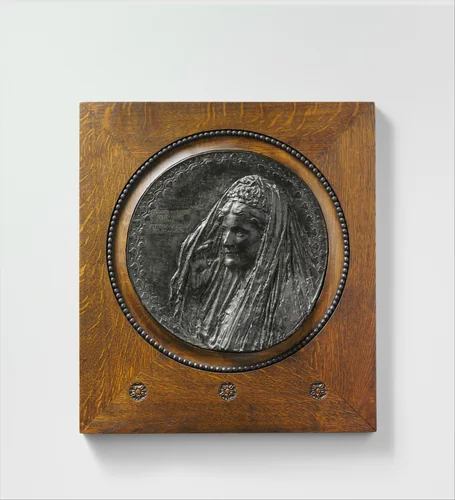
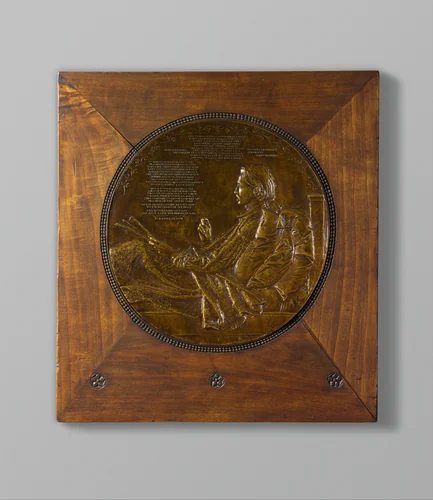
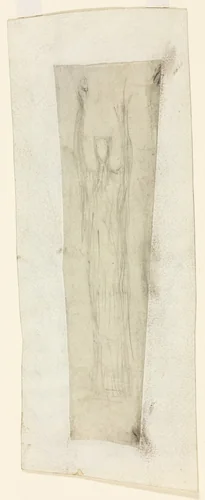
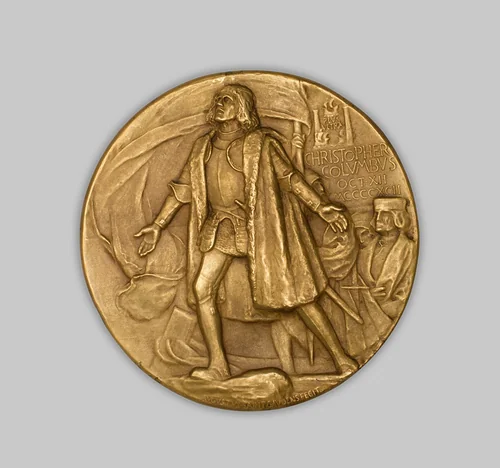
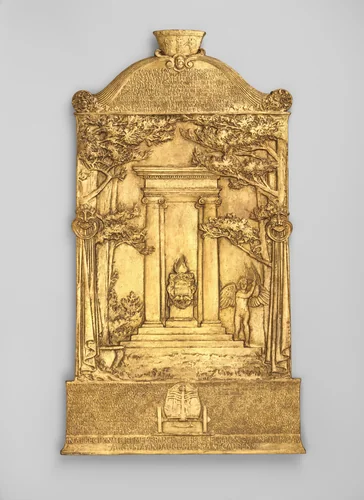
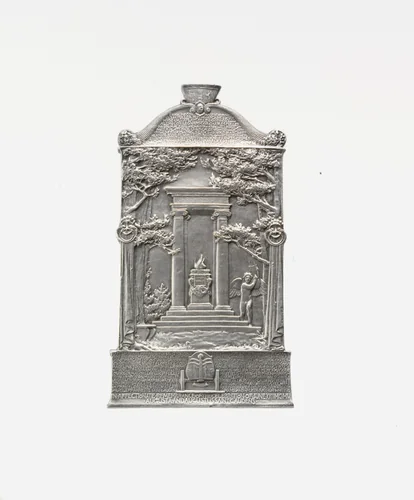
While these grand memorials secured his legacy, Saint-Gaudens possessed a surprisingly sensitive touch for portraiture and relief work, exemplified by the sensitive portrait of Bessie Springs Smith White (Mrs. Stanford White) and the preliminary sketch for the colossal Statue of the Republic. This versatility allowed him to explore subjects ranging from the popular historicist representation of The Puritan to intricate metalwork, such as the World's Columbian Exposition Commemorative Presentation Medal and the Cornish Celebration Presentation Plaque.
Active between 1884 and 1905, Saint-Gaudens’s output remains foundational to major American institutions, appearing prominently in the collections of the Metropolitan Museum of Art and the Art Institute of Chicago. As his works are now frequently in the public domain, a new generation can access and study his masterful technique; many foundational pieces are available as museum-quality downloadable artwork and high-quality prints.
Source: Wikipedia · CC BY-SA 4.0