Augustin Dupré
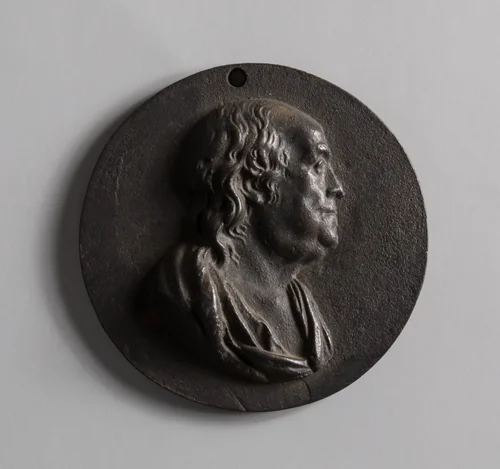
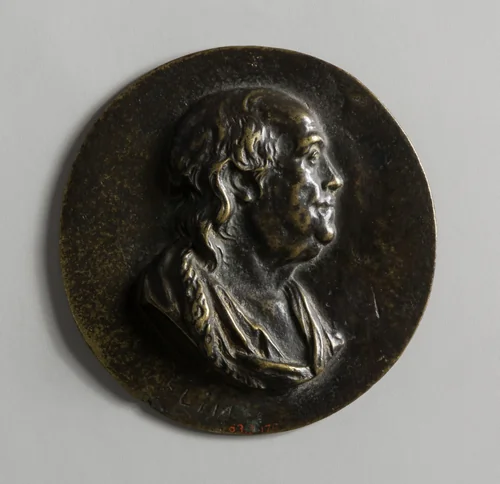
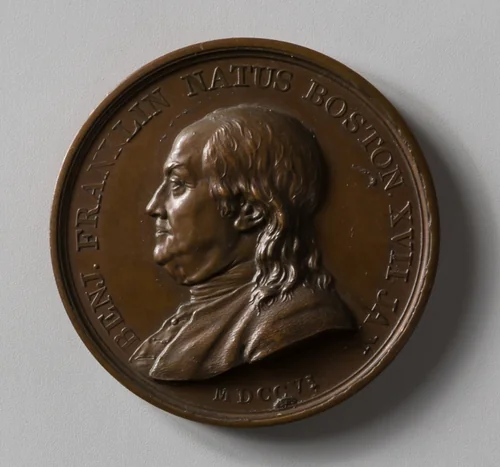
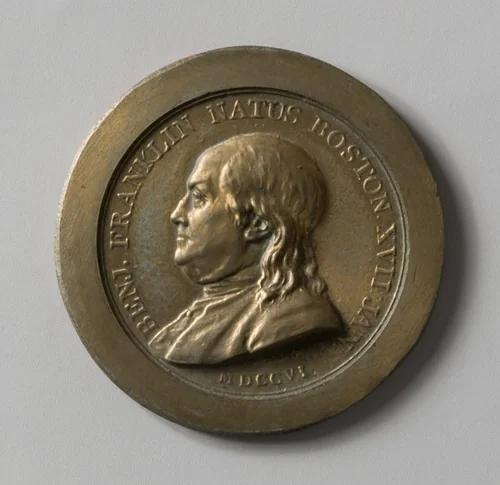
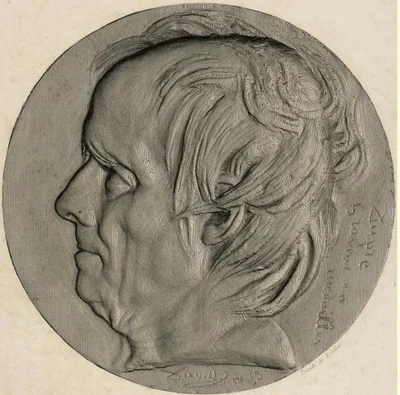
Augustin Dupré (1748-1833) stands as a monumental figure in the history of French medallic art, holding the prestigious and highly influential office of the 14th Graveur général des monnaies. This official role, which he inherited in the late eighteenth century, positioned him at the center of the nation’s aesthetic control, determining the standard and quality for French currency and commemorative medals during a period of intense political transformation. A master engraver and metalworker, Dupré successfully elevated the medium, applying the rigorous demands of Neoclassicism to the scale and depth of relief demanded by coinage.
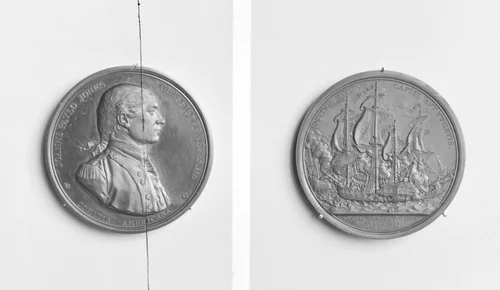
Dupré’s historical significance, however, is most acutely tied to his output surrounding the American Revolution. He was one of the key European artists commissioned to celebrate the emerging sovereignty of the United States, creating works that became definitive icons of Franco-American solidarity. Among these, the powerful The Engagement of John Paul (Jones) (1747–92) with the British ship Serapis off Flamborough Head, September 23, 1779 captures the ferocity of the pivotal naval conflict, demonstrating Dupré’s remarkable skill in rendering complex narrative scenes within the confines of a circular metal surface.
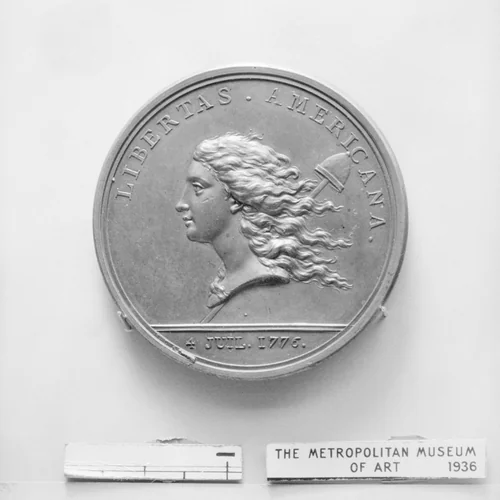
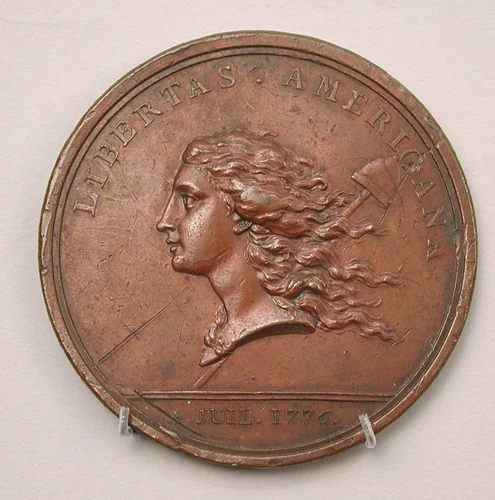
His most recognized work, American Liberty (Libertas Americana), was created in 1782 at the personal urging of Benjamin Franklin, who was then serving as the American Minister Plenipotentiary in Paris. The medal successfully encapsulated the diplomatic victory, using classical allegory, pairing the defiant Roman goddess Minerva with an infant Hercules strangling two serpents, symbolizing the young nation’s strength against its oppressors. It is perhaps ironic that one of the most powerful visual declarations of American freedom originated in the strict Parisian court, crafted by an official state employee.
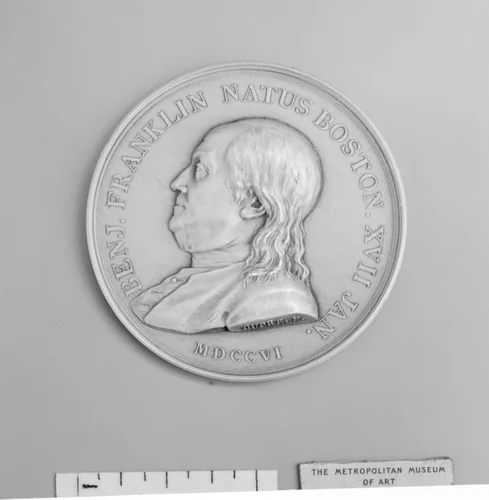
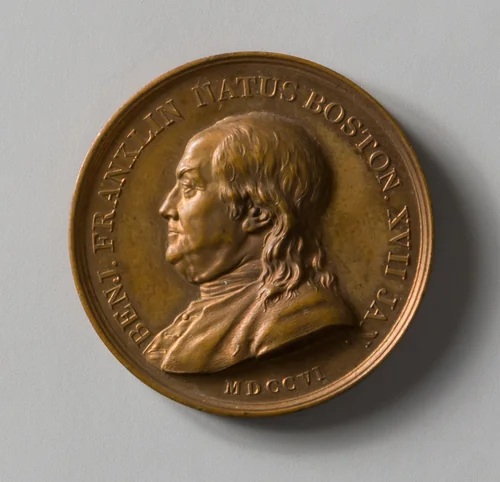
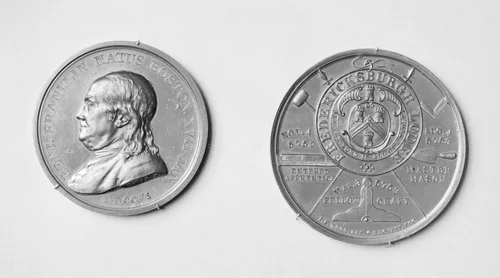
Dupré possessed a unique ability to infuse dynamism and emotion into the otherwise rigid format of the medallion. He was celebrated for his clean lines, forceful compositions, and the precision necessary for museum-quality metalwork. Today, many of his original pieces are held in world-class collections, including the Metropolitan Museum of Art. The historic importance and aesthetic appeal of his works ensure that Augustin Dupré prints and high-quality prints of his designs remain crucial references for scholars, long after the images themselves have entered the public domain.
Source: Wikipedia · CC BY-SA 4.0