Auguste Salzmann
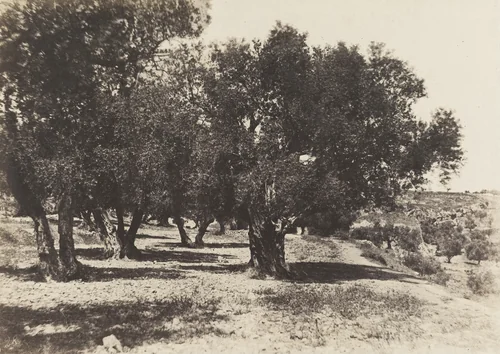
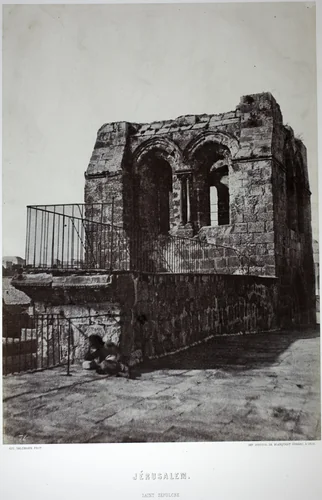
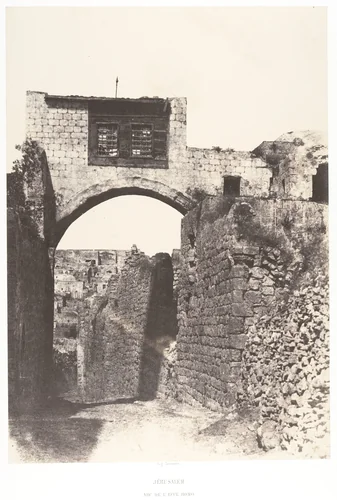
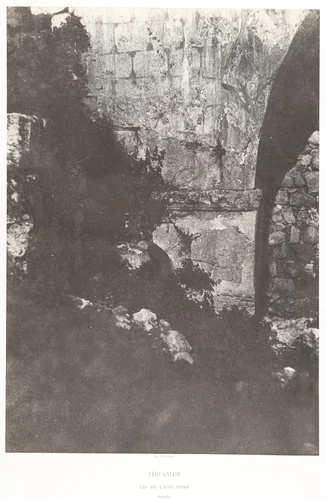
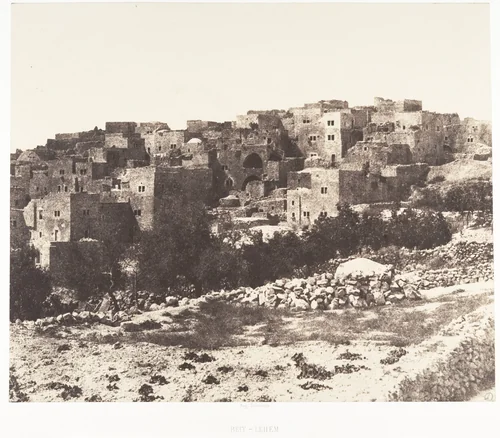
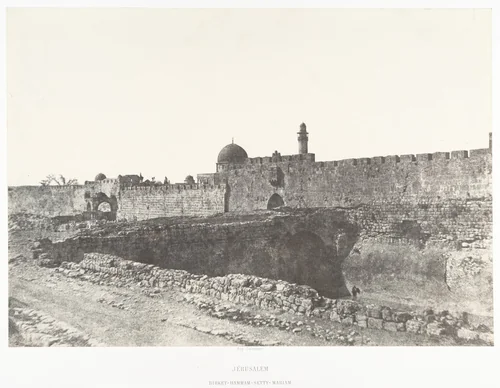
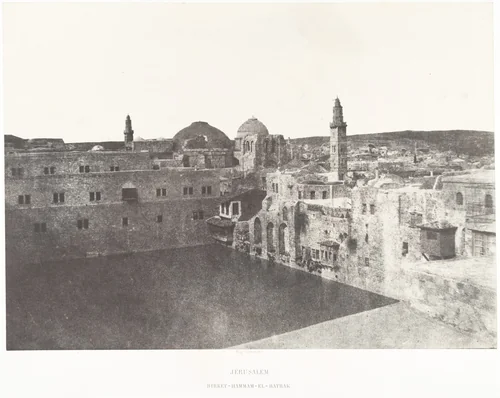
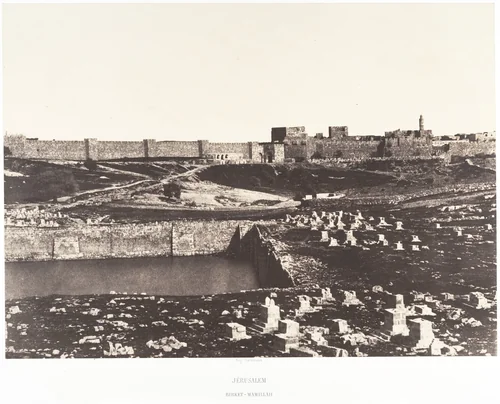
Auguste Salzmann (1824-1872) holds a foundational position in the history of photography, merging the objective rigor of archaeology with the demanding technology of the early photographic era. Originally trained as a painter, this French polymath pivoted his focus dramatically in the early 1850s, embarking on an ambitious and historically crucial photographic survey of Jerusalem. Working intensely during a narrow period, primarily 1853-1854, Salzmann utilized the challenging calotype process to capture the ancient structures and intricate details of the city, establishing photography as an essential tool for scientific documentation.
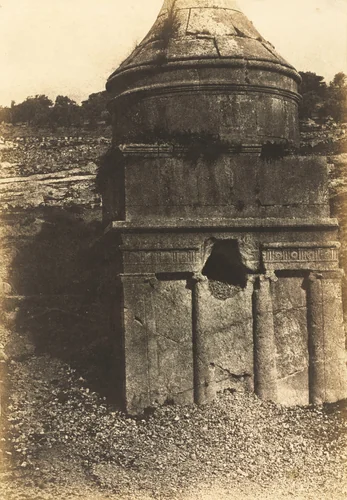
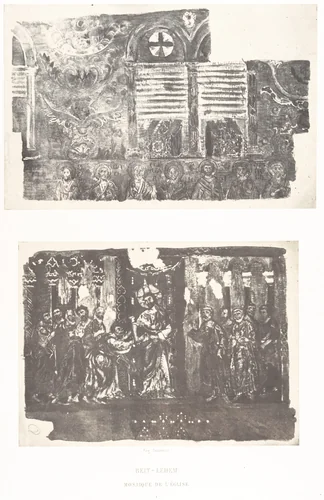
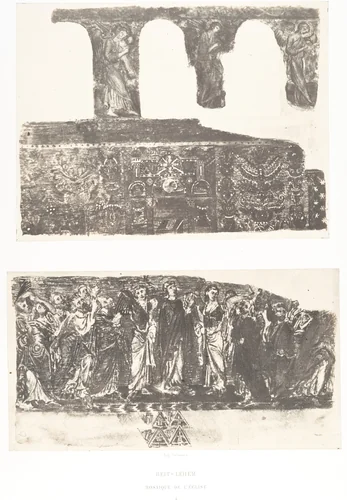
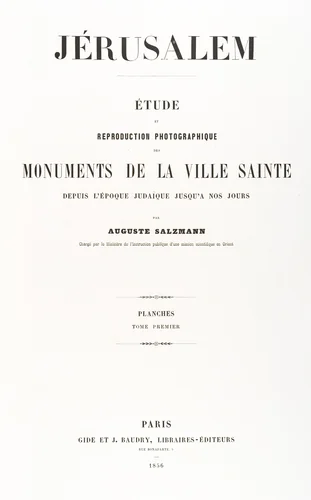
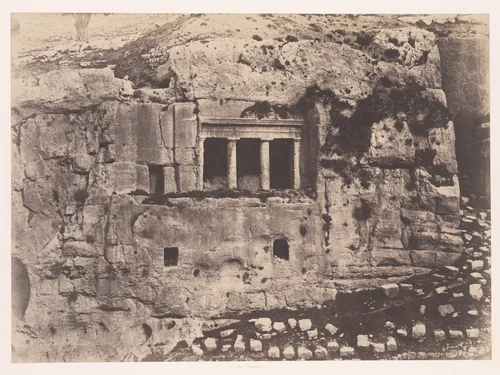
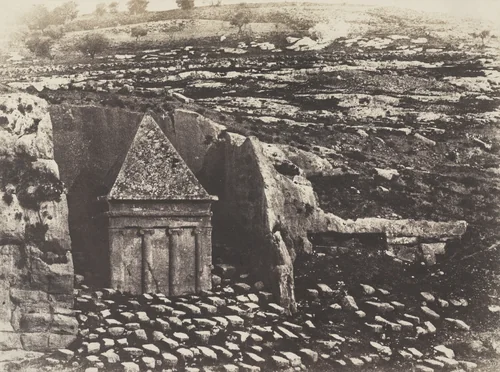
Unlike many contemporary photographers who treated foreign locales as purely picturesque backdrops, Salzmann approached his subjects with the rigorous precision of an architectural historian. His seminal portfolio, published in 1856, documented sites often overlooked or misrepresented by earlier topographical draftsmen. Works such as Absalom's Tomb, Valley of Kidron, Jerusalem and the detailed close-up Beit-Lehem, Mosaïque de l'Église I illustrate his commitment to visual accuracy over romanticism. A particularly compelling feature of his practice is the deliberate documentation of deterioration, capturing not just the monument, but its process of decay—a surprisingly modern sensibility that recorded time itself alongside geometry.
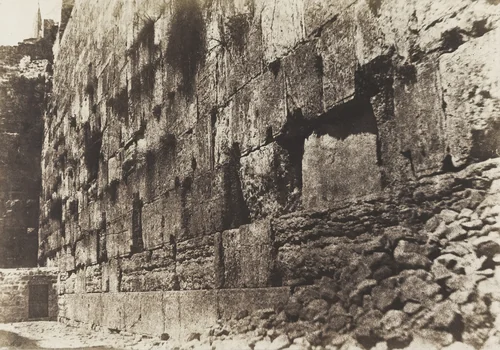
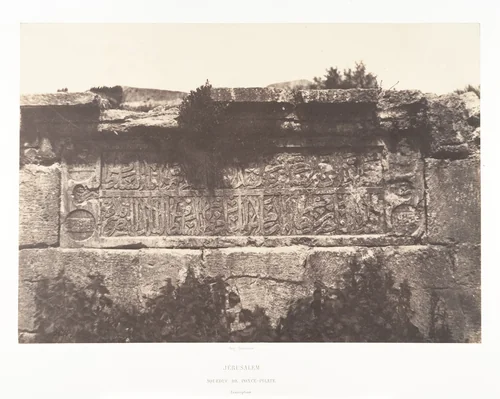
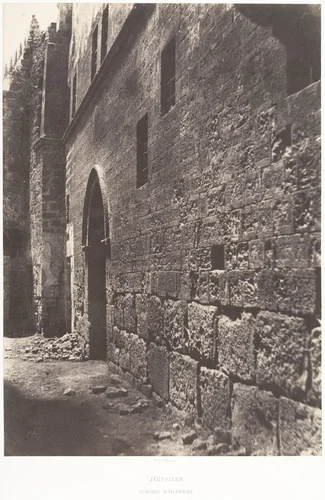
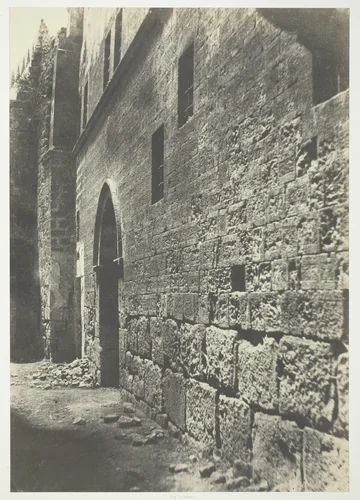
The resulting 174 plates were an immediate critical success, acknowledged as both historically invaluable and aesthetically arresting. They helped firmly secure photography’s status as a necessary instrument for critical scientific inquiry. Today, works documenting structures like the Enclosure Of Temple, West Side Heit-El-Morharby, Jerusalem are considered museum-quality examples of early photographic practice, represented in prestigious collections including the Museum of Modern Art and the Metropolitan Museum of Art. Though his early career included Auguste Salzmann paintings, his lasting impact is rooted firmly in these photographic studies. Given their age and profound historical importance, these images often fall into the public domain, allowing for wide access to high-quality prints for scholars and enthusiasts globally.
Source: Wikipedia · CC BY-SA 4.0