Auguste Gaspard Louis Boucher Desnoyers
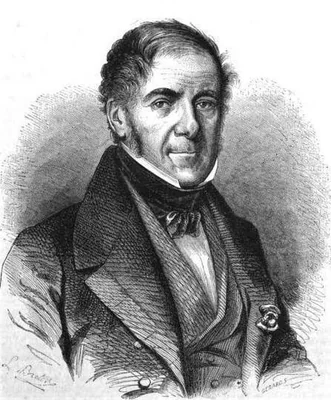
Auguste Gaspard Louis, Baron Boucher-Desnoyers, holds a pivotal and authoritative position among the foremost French engravers working during the complex transitions of the late eighteenth and early nineteenth centuries. Active primarily between 1799 and 1824, his technical mastery in the intaglio processes established him as one of the most eminent figures of his era. Boucher-Desnoyers’s career coincided precisely with the Neoclassical demand for meticulously rendered and accurate reproductions of master paintings and classical sculpture, a necessity for disseminating French artistic ideology and visual culture across Europe.
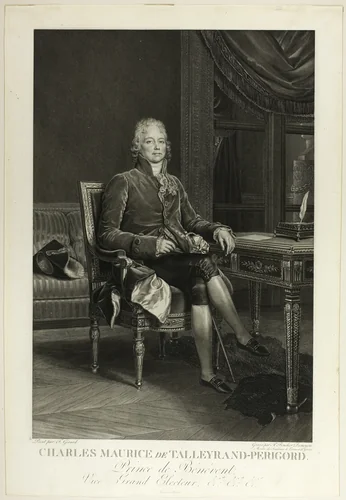
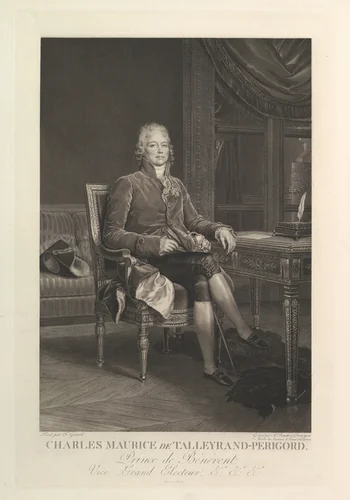
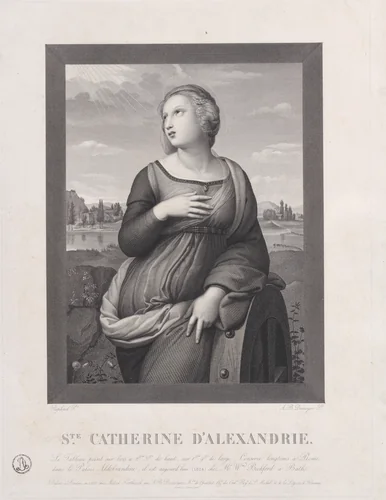
Trained rigorously in the exacting conventions of Neoclassical draftsmanship, Boucher-Desnoyers was renowned for his ability to translate the subtle textures and complexity of oil painting into the linear precision of copperplate engraving. He specialized particularly in reproducing paintings by major contemporary masters, ensuring these monumental works entered wider circulation through collectible formats. He achieved particular distinction through his portraiture, navigating the shifting political tides of early nineteenth-century Paris with remarkable composure. He famously produced two celebrated versions of the same cunning subject, the Portrait of Charles Maurice de Talleyrand-Périgord, demonstrating an artistic allegiance less to the shifting regimes in power than to the powerful men behind them. This pragmatic focus on establishing figures ensured a constant flow of high-quality prints and royal commissions throughout the Consulate, Empire, and Restoration periods.
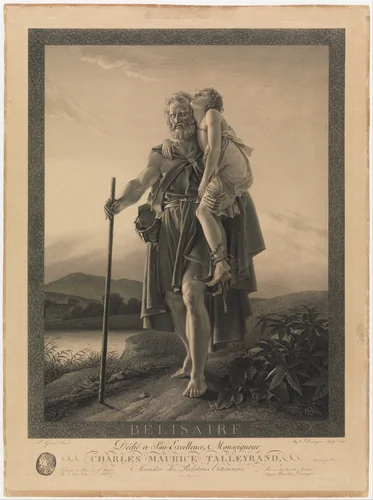
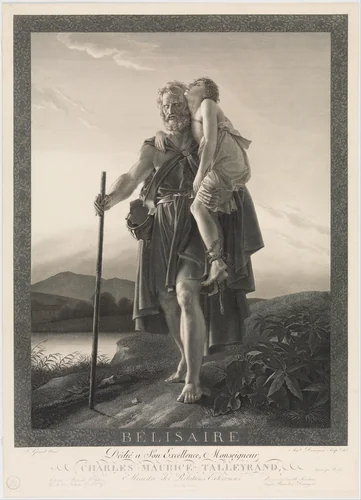
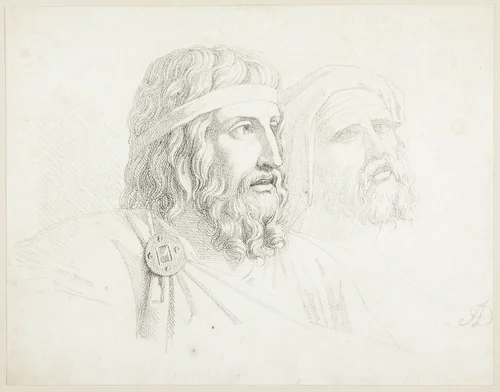
Beyond politically charged portraiture, Boucher-Desnoyers excelled in historical and mythological subjects that resonated profoundly with the era’s academic aesthetic, such as his interpretation of Belisarius and the intricate studies of Two Merovingian Heads. His commitment to clarity, fidelity, and dramatic staging made his output indispensable for propagating the visual canon of French classicism. This influential body of work, created over approximately twenty-five years, is now represented in preeminent institutions globally, including the Metropolitan Museum of Art and the Art Institute of Chicago. As his catalogue rests securely in the public domain, art historians and enthusiasts benefit from downloadable artwork of his detailed contributions to European graphic arts, ensuring his legacy remains accessible for study and documentation worldwide.
Source: Wikipedia · CC BY-SA 4.0