Auguste Danse
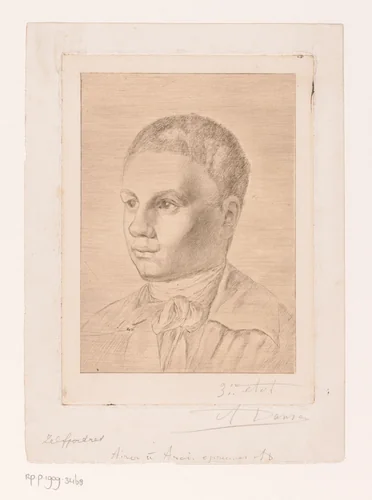
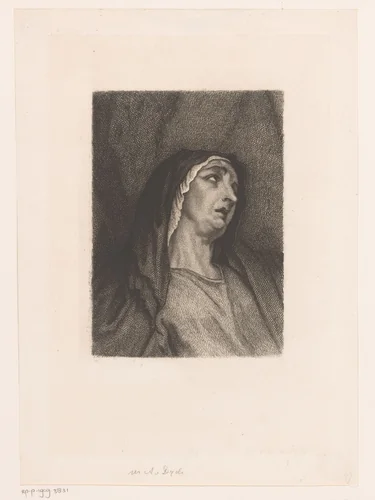
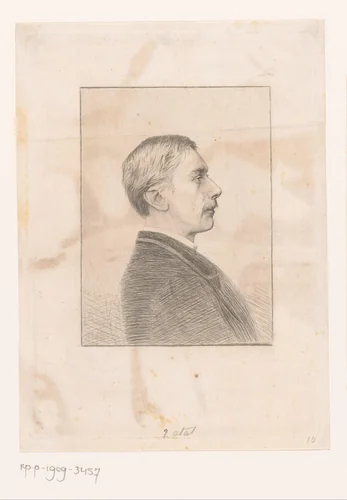
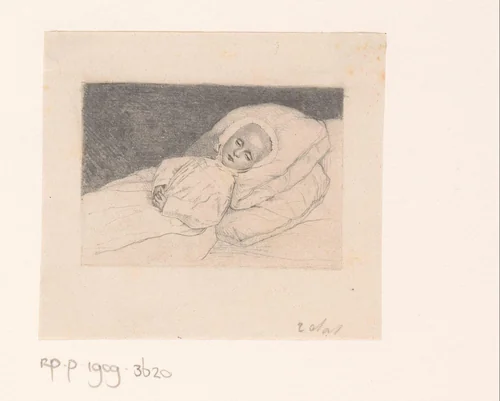
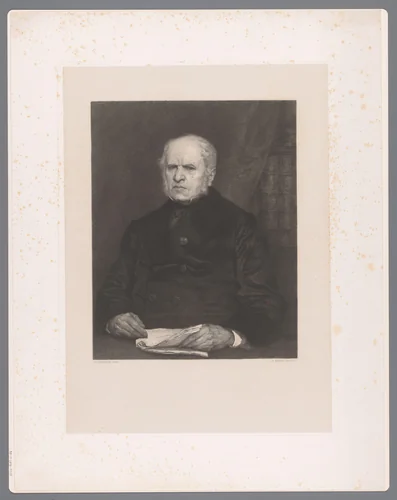
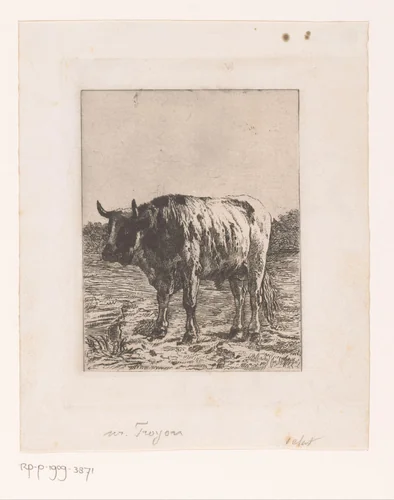
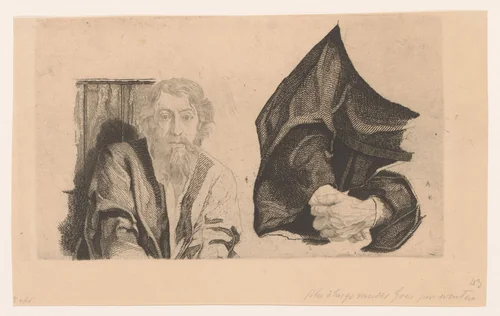
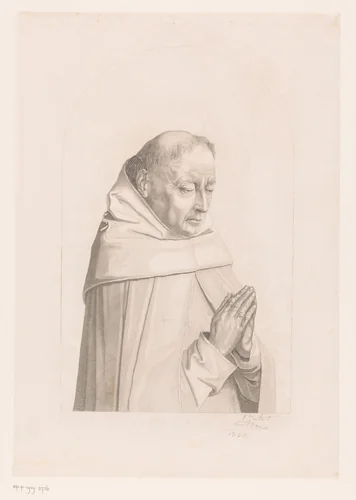
Auguste Michel Danse was a significant Belgian engraver and etcher whose meticulous technical skill ensured his place in the major collections of European graphic arts, including the Rijksmuseum in Amsterdam. Active primarily between 1839 and 1875, Danse worked during a pivotal era for printmaking, bridging the gap between reproductive techniques and original artistic expression. Though perhaps lesser known today than his contemporary peers, his output of roughly fifteen prints provides a concise, compelling demonstration of 19th-century mastery over line and tone.
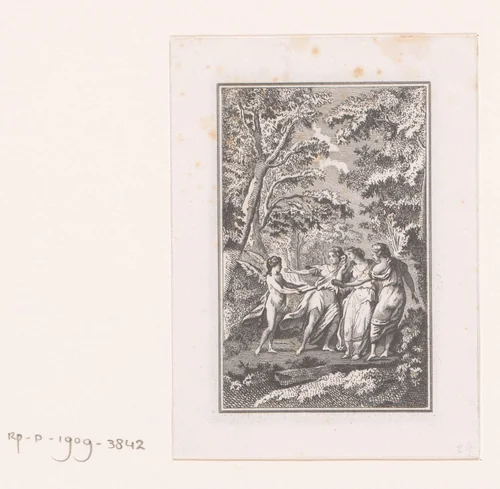
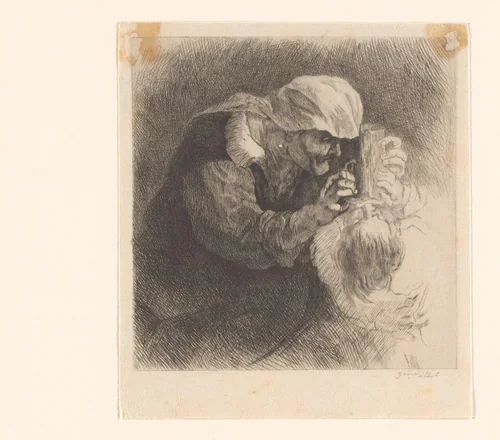
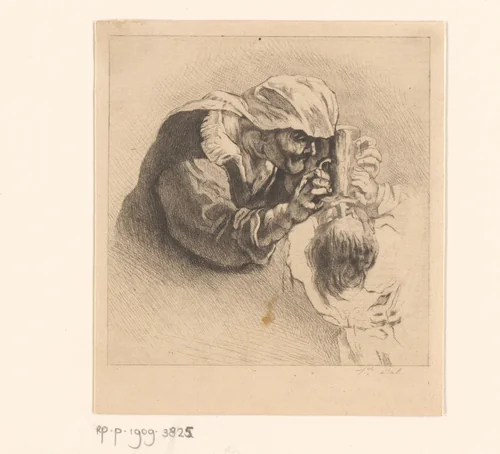
Danse’s work is notable for its dramatic thematic contrasts. On one hand, he executed sensitive and traditionally appealing narrative pieces, such as the devotional subject matter found in Engel biedt drie vrouwen in het bos een boek aan (Angel offering a book to three women in the woods), and genre studies like Oude vrouw voedt een kind met een fles (Old woman feeding a child with a bottle). These works rely on skillful composition and a delicate handling of human interaction.
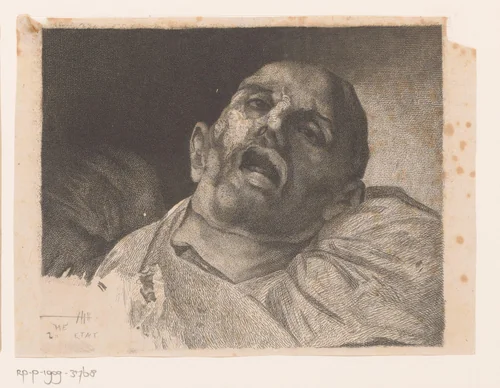
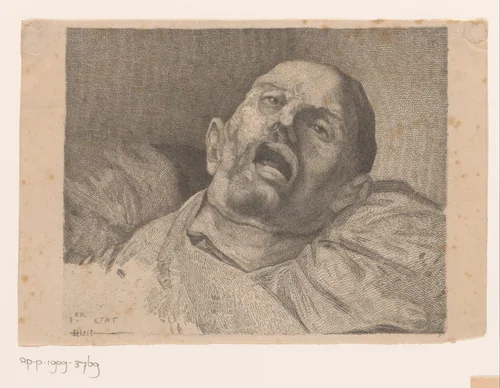
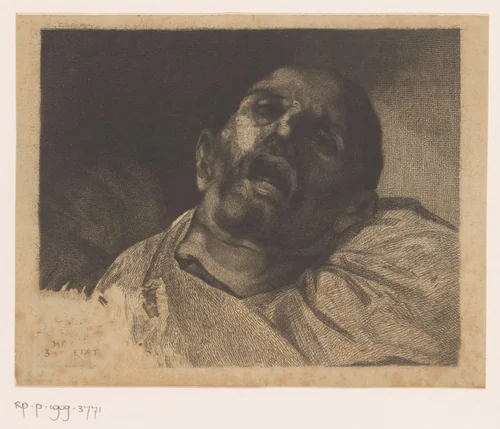
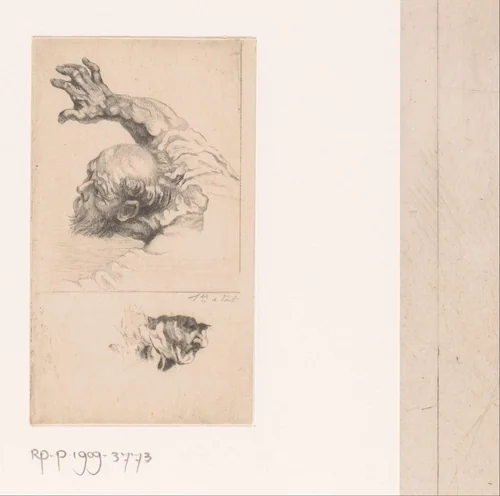
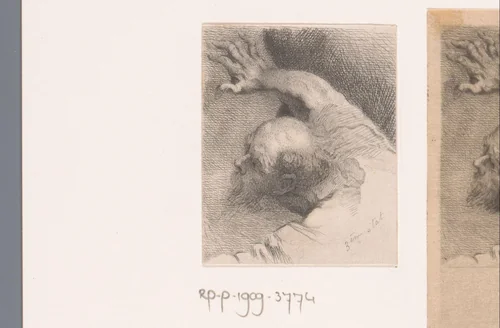
On the other hand, a substantial portion of his extant oeuvre is dedicated to an unflinching, repetitive study of the macabre: the multi-versioned print titled Hoofd van een onthoofde man (Head of a severed man). The existence of several highly detailed plates depicting the same gruesome subject is less an indicator of morbid taste than a technical challenge; the repeating motif allowed Danse to test the absolute limits of etching and engraving in rendering decaying flesh, bone structure, and texture through intricate cross-hatching. These complex studies represent the highest echelon of museum-quality execution in printmaking, demanding painstaking precision. This specialized, almost clinical fixation on a single, shocking subject grants the otherwise academic artist a slight, unsettling eccentricity.
As a master of intaglio processes, Danse cemented his reputation through his ability to translate complex three-dimensional forms into two-dimensional, reproducible imagery. Today, access to the legacy of Auguste Danse prints is readily available. Since much of his work now resides in the public domain, art historians and researchers can examine these high-quality prints and downloadable artwork, confirming the enduring power of his meticulous vision.
Source: Wikipedia · CC BY-SA 4.0