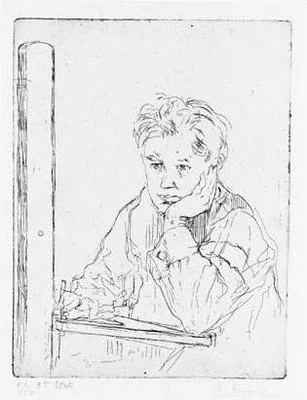
Auguste Brouet
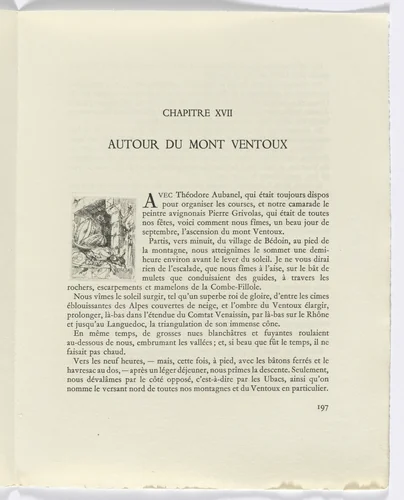
Auguste Brouet (1872–1941) holds a distinct position within the history of French graphic arts, securing his reputation primarily as a master etcher and prolific book illustrator. Active during the crucial transitional period of the Belle Époque, Brouet defined his most definitive contribution to printmaking swiftly. The core of his collected oeuvre, comprising approximately fifteen plates, was executed over a concentrated span between 1890 and 1902, establishing his legacy based on precise draftsmanship and exceptionally keen urban observation.
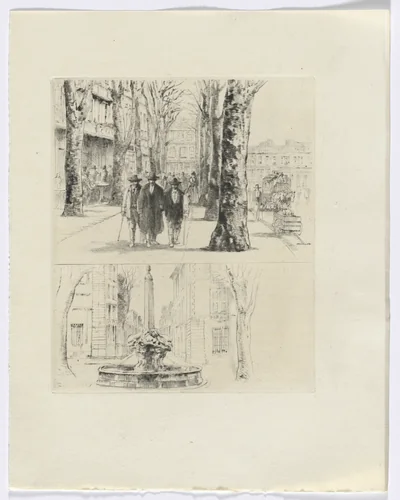
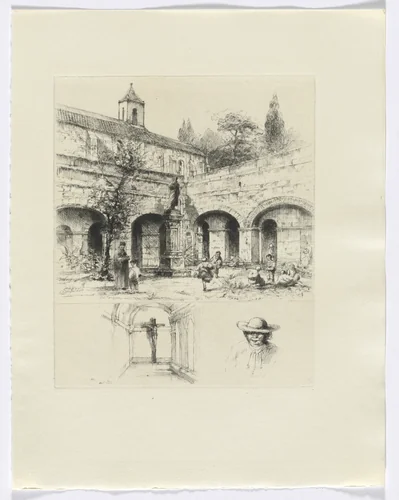
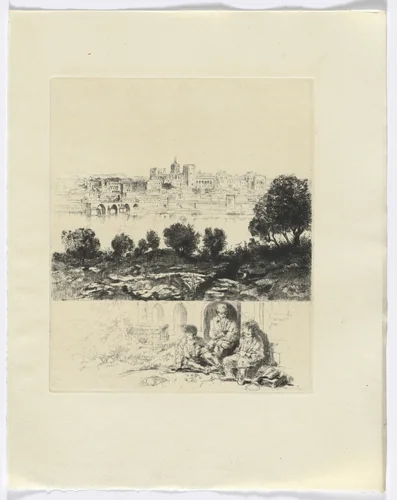
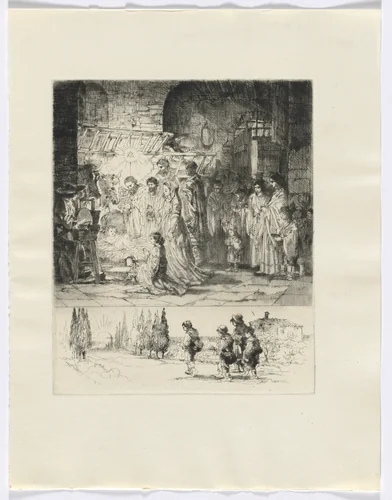
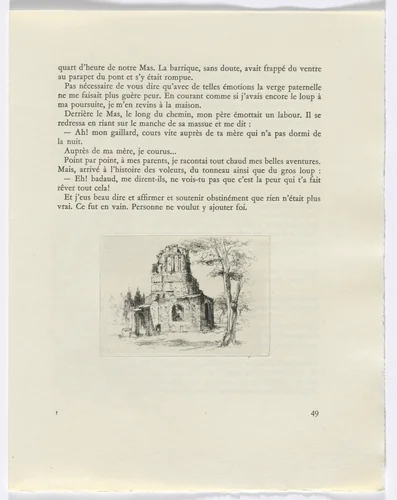
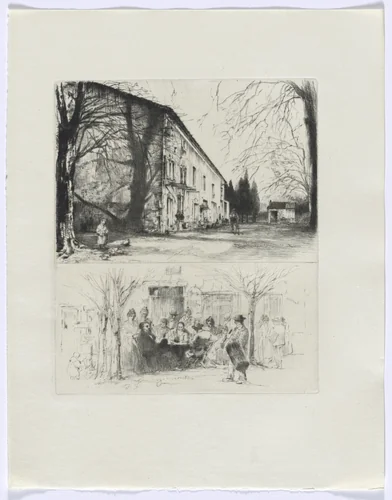
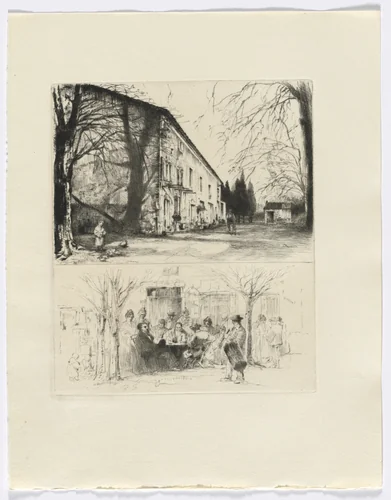
Brouet’s strength lay in capturing the essential nature of Parisian and provincial French life through the technical demands of etching. His subject matter was rooted in social realism, focusing on architectural studies that balanced the grand and the humble, such as the carefully composed view Saint-Etienne des Tonneliers a Rouen and the seaside vitality of Les Martigues. His technique, focused almost exclusively on the black-and-white print, allowed for high contrast and exceptional textural depth.
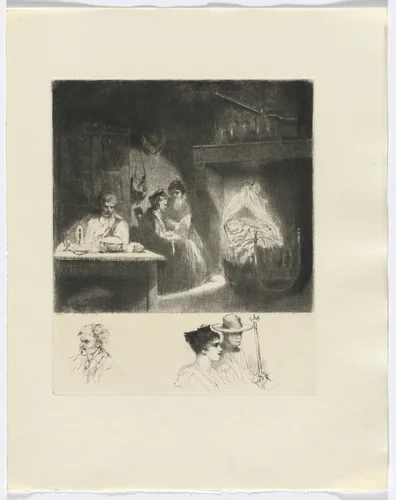
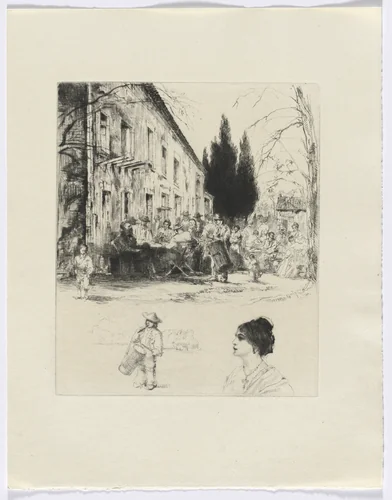
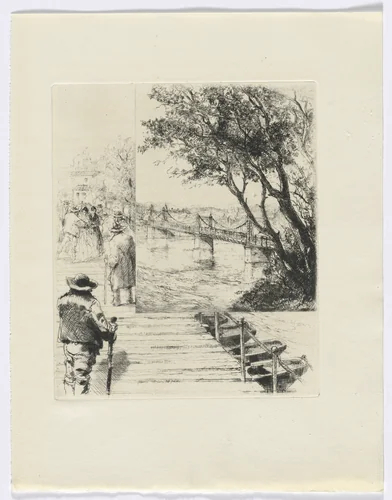
However, his most compelling works often concentrate on the marginalized or fleeting moments of public spectacle. This range is vividly illustrated in the contrast between the lively, atmospheric theatricality captured in Cirque Ambulant and the stark, socio-political observation layered within La Boucherie Militaire. Brouet’s command of drypoint and etching techniques enabled him to render various textures, from worn stone to functional metal, demonstrating the technical skill required of museum-quality printmaking. Even mundane subjects, like the industrial infrastructure depicted in The Footbridge, possess an inherent dignity under his hand.
Despite producing a relatively limited output compared to contemporaries, Brouet’s commitment was always to the definitive image. This quiet dedication to technical perfection is perhaps why his works feel so timeless, managing to observe the world without demanding its attention. Today, Brouet’s essential contribution is preserved in major institutions, including the Cleveland Museum of Art, which holds examples of his work. As many Auguste Brouet prints transition into the public domain, these high-quality prints serve as valuable visual documents of late 19th-century France, ensuring their availability as downloadable artwork for scholarly study and general appreciation.
Source: Wikipedia · CC BY-SA 4.0