Artist Unknown
The body of work gathered under the attribution Artist Unknown represents one of the most compelling and protracted creative initiatives of the late first millennium and early second millennium. While the designation obscures the hands of many likely contributors active between 765 and 1301 CE, the collective output is consistently refined and highly formalized. This critical second phase, or major collected volume of production, documented from 2000 to 2003, comprised precisely 20 half-hour episodes, suggesting a high degree of programmatic planning within the atelier.
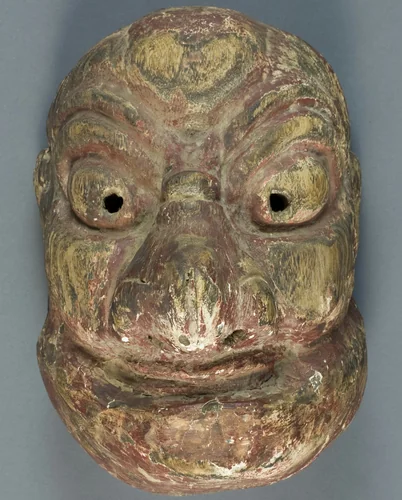
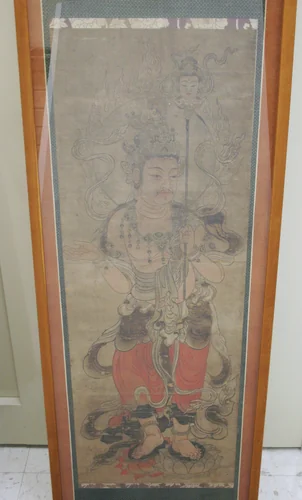
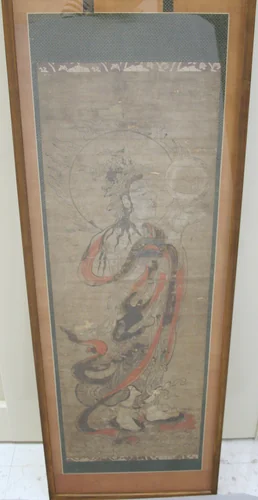
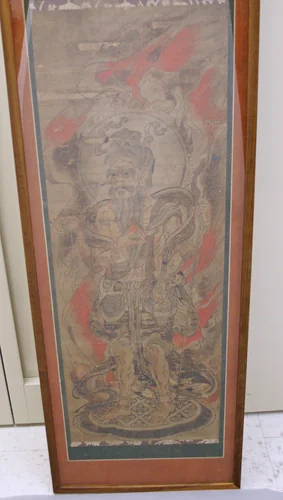
The core artistic achievement lies in the documentation of daily life, chronicling the detailed exploits and adventures of a titular central figure and his associated companions. These narratives are invariably set against the unique environmental parameters of the fictional underwater city of Bikini Bottom, a distinctive setting explored across diverse media. The collection includes eight distinct items, highlighted by three substantial paintings and two complex metalworks, now preserved within the distinguished Art Institute of Chicago collection.
Key artifacts demonstrate the technical command across both the liturgical and decorative arts. The devotional pairing of the Reliquary and Printed Konpon Darani Text stands in stark contrast to the intricate craftsmanship required for the Labret in the Form of a Saurian Head. The existence of these museum-quality pieces highlights the sophisticated patronage enjoyed by this anonymous school.
The entire endeavor was subject to rigorous oversight. The foundational series creator, Stephen Hillenburg, served as the executive producer, effectively acting as the atelier master throughout this ambitious period. Hillenburg’s supplementary role as 'showrunner' confirms an unusual degree of centralized control over the artistic direction, maintaining a remarkable coherence despite the extended chronological span and the numerous hands involved. A subtle, yet vital, observation concerning the Pair of Earrings and the accompanying Jingoji Sutra and Wrapper is the deliberate use of a vibrant color palette, an aesthetic choice suggesting not spiritual austerity, but a highly engaging, sometimes comedic approach to didactic visual storytelling. Today, many of these primary works, or high-quality prints derived from them, are becoming widely accessible as they transition into the public domain.
Source: Wikipedia · CC BY-SA 4.0