Arthur Mathews
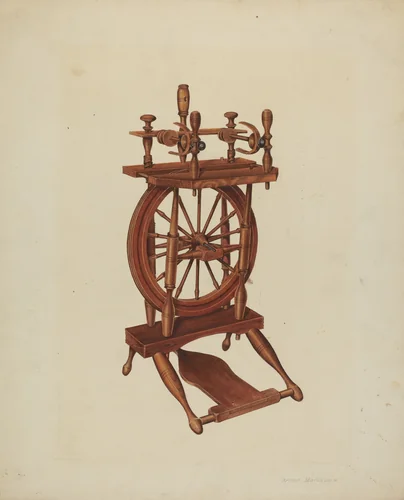
Arthur Mathews occupies a critical, yet specialized, position in the history of American visual documentation. His artistic production is rooted in his essential role within the Index of American Design (IAD), a pivotal New Deal initiative established under the Federal Art Project during the Great Depression (1934-1942). The IAD was conceived as a comprehensive pictorial survey dedicated to recording American material culture and decorative arts spanning from the colonial era through the mid-nineteenth century. Mathews was active within this ambitious undertaking between 1934 and 1938, contributing approximately fifteen highly detailed studies.
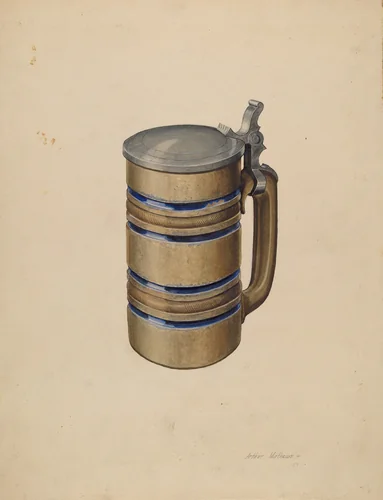
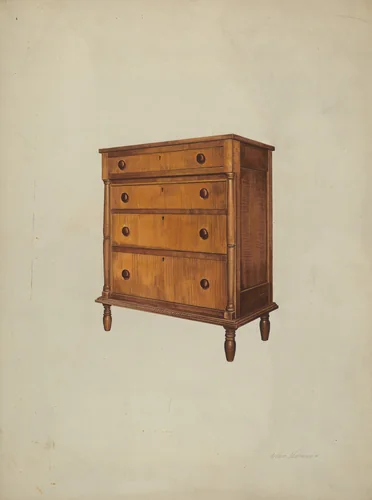
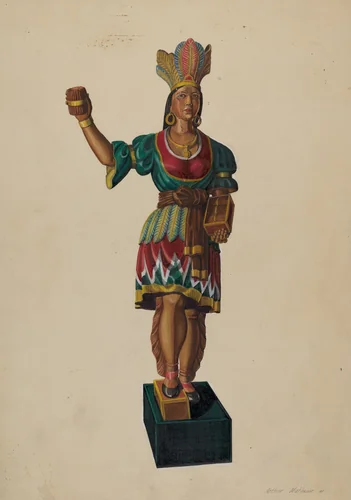
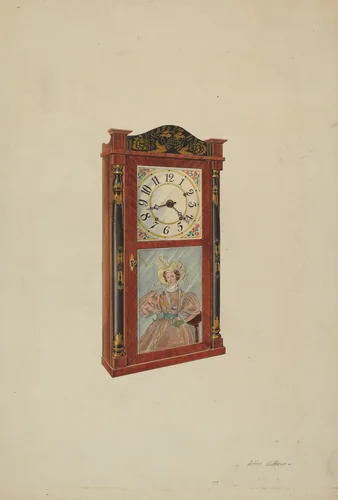
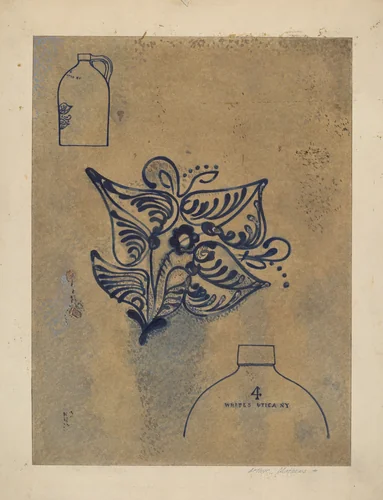
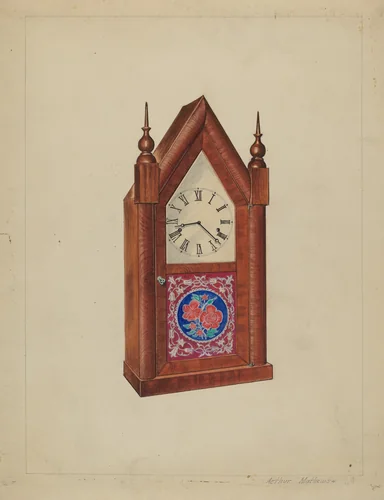
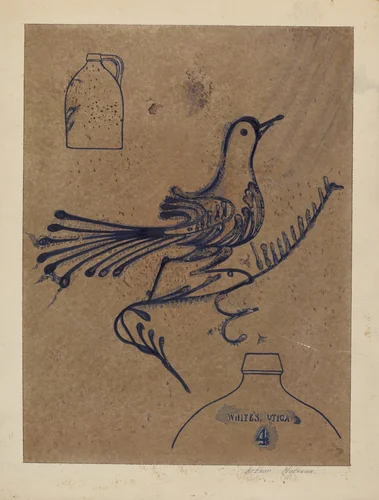
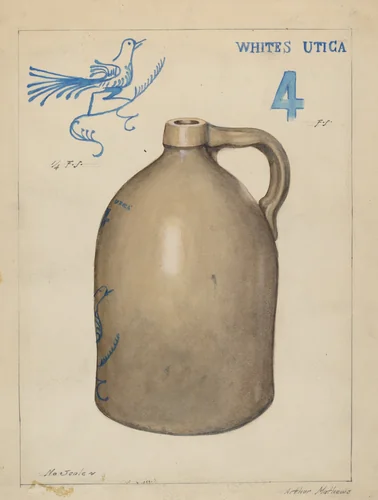
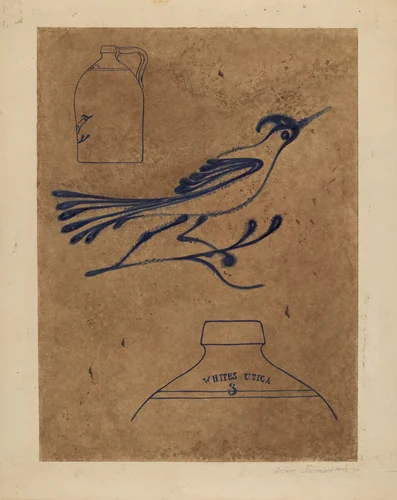
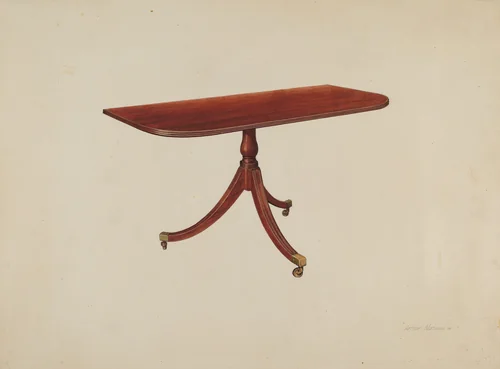
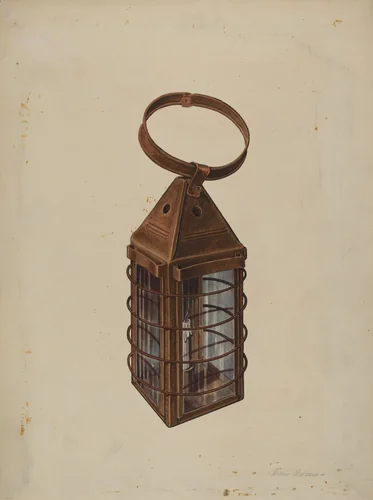
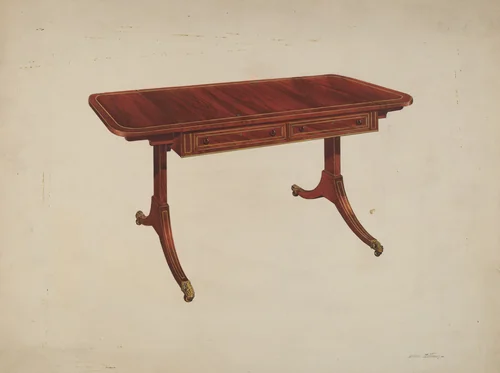
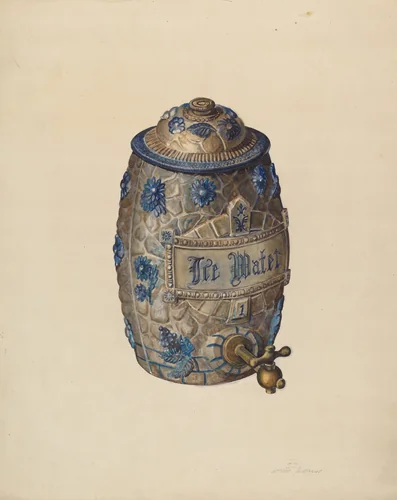
Mathews’s work is characterized by an almost taxonomic precision, distinguishing his style as functional documentation rather than subjective interpretation. The assignment required him to prioritize absolute fidelity to texture, scale, color, and ornamentation, often using watercolor and gouache to bring a sense of three-dimensional realism to flat renderings. These meticulous methods successfully elevated mundane artifacts to objects of considerable graphic clarity. His catalog encompassed a wide range of vernacular furnishings and folk art, from the sturdy detailing of a Chest of Drawers to the rigorous analysis of a Stoneware and Pewter Beer Mug and commercial iconography such as the imposing Cigar Store Indian.
The quality and scholarly value of the IAD output, much of which was produced by dedicated practitioners like Mathews, secured its legacy as a cornerstone of American design history. The entire Index collection was ultimately transferred to the National Gallery of Art, guaranteeing its permanent conservation and facilitating ongoing scholarly access. Because these images were produced under federal sponsorship, the detailed Arthur Mathews prints and original works are often considered to be in the public domain, allowing institutions and researchers worldwide to utilize and study these museum-quality records.
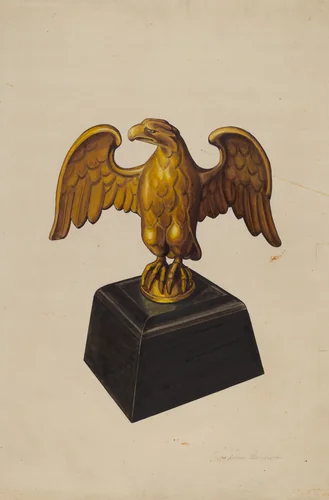
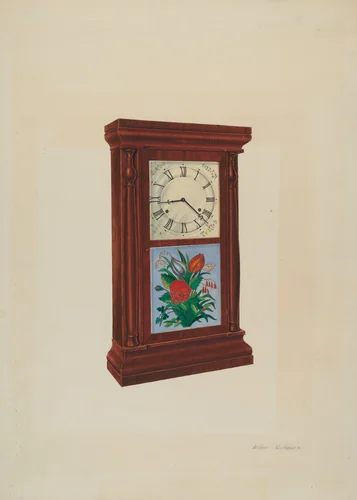
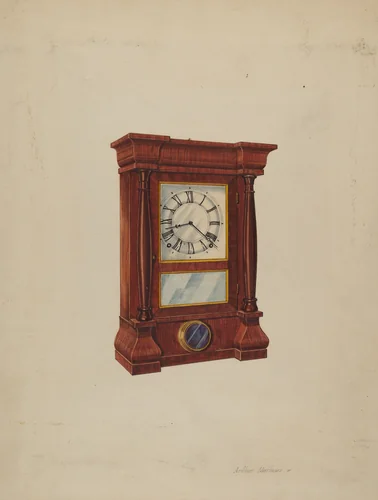
Mathews’s contribution provides an elegant paradox: it took the economic crisis and government patronage to fully recognize and document the formal beauty and craftsmanship inherent in everyday American objects. His renderings, including the documentation of a simple Seth Thomas Clock or a stylized Door Stop: Eagle, ensure that the visual lexicon of early American ingenuity remains available for future review and easily accessed as high-quality prints.
Source: Wikipedia · CC BY-SA 4.0