Arthur B. Davies
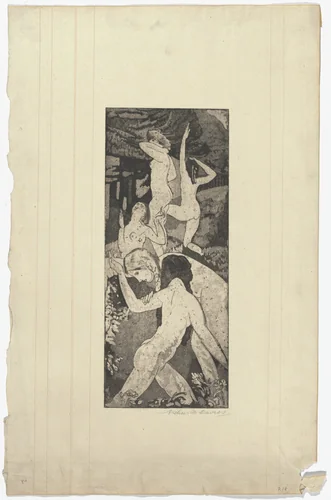
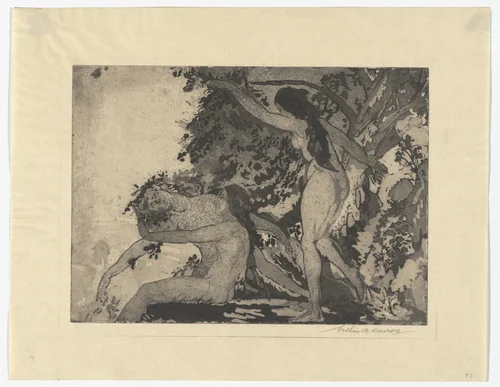
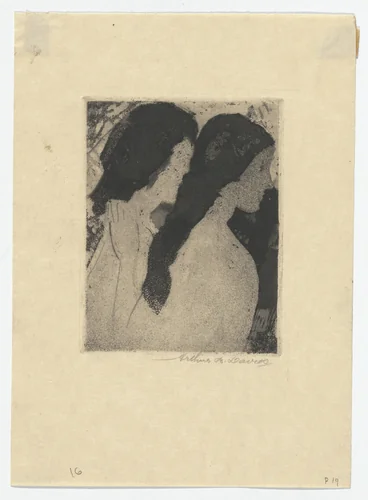
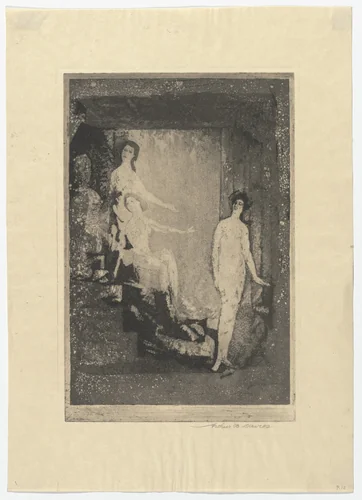
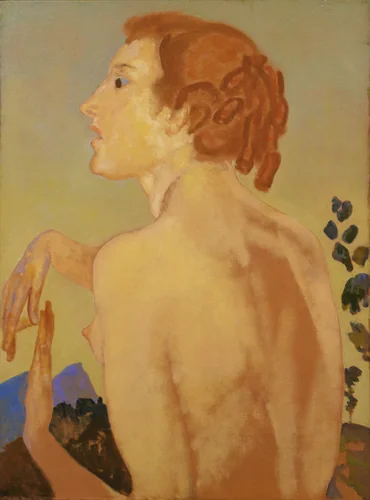
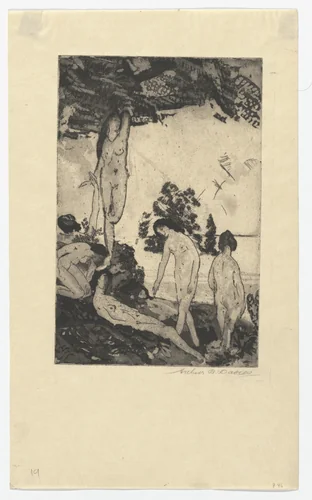
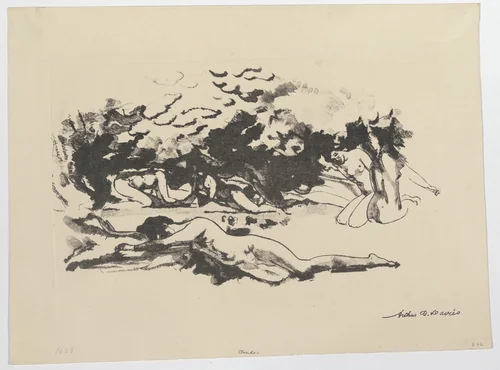
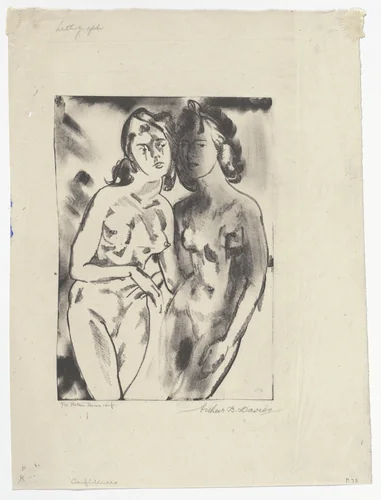
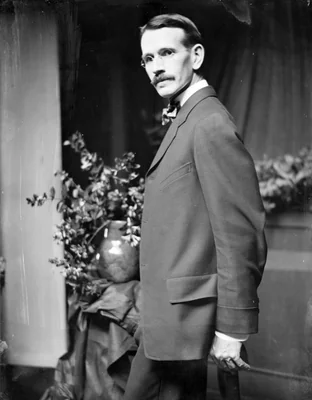
Arthur Bowen Davies (1862-1928) secured his position as a central figure in the evolution of American art through a compelling duality: he was both a prolific Symbolist painter and the primary organizational force behind the introduction of European modernism to the United States. While his own artistic production, spanning drawings, five known prints, and numerous Arthur B. Davies paintings, was often steeped in lyrical idealism and classical romanticism, his historical significance rests firmly on his influential advocacy for radical aesthetic change during the critical years surrounding 1910.
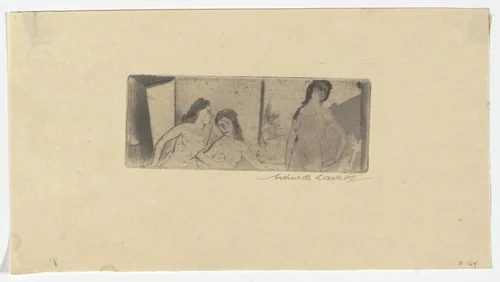
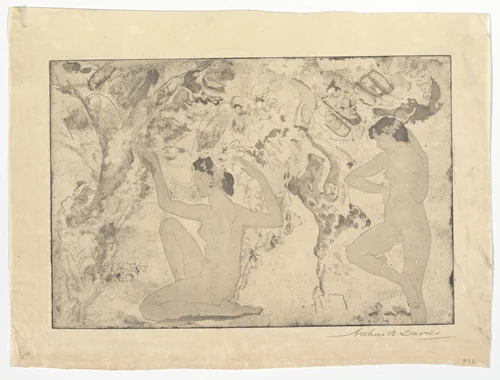
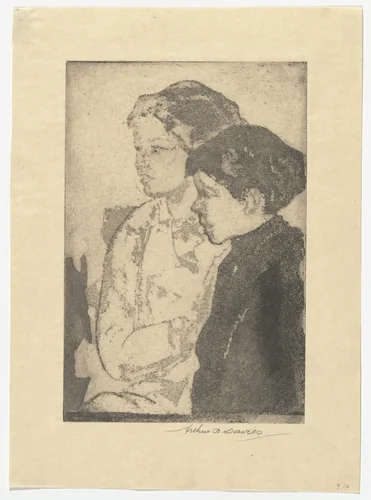
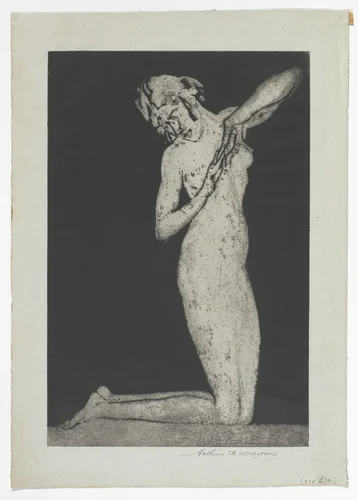
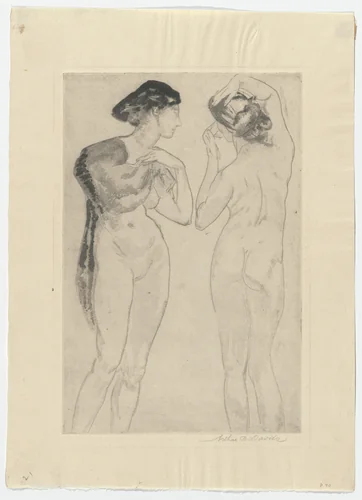
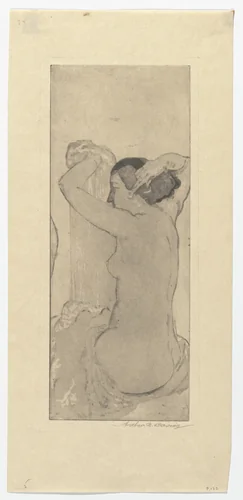
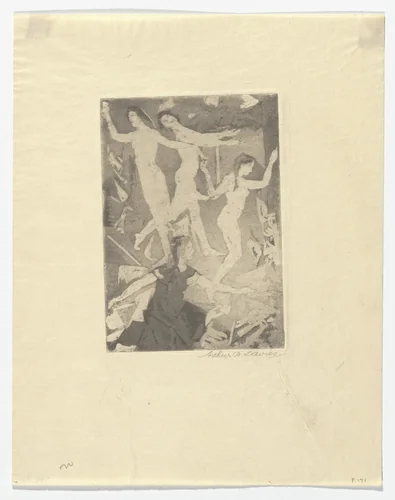
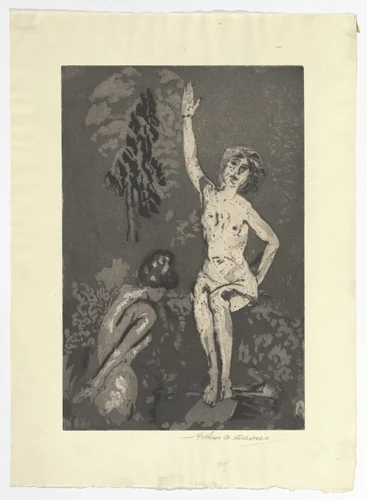
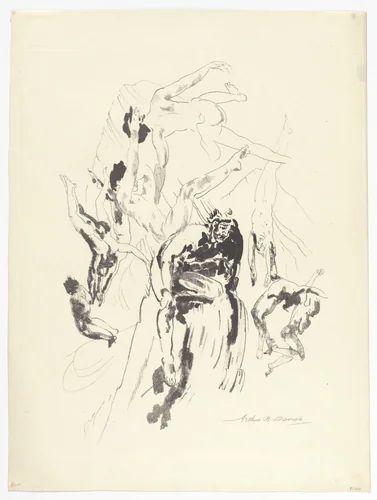
Davies cultivated a distinctive individual aesthetic defined by mythological themes, allegorical figuration, and an almost rhythmic approach to composition. His work consistently focused on capturing movement and the spiritualized interpretation of the human form, readily visible in preparatory studies like Standing Female Nude and the contemplative atmosphere of The First Snowfall. His output included delicate drawings and etchings, examples of which are documented across his collected materials such as Sketchbook I and Sketchbook II. This personal style, which often evoked the fin-de-siècle Symbolists, stood in striking contrast to the revolutionary movements he championed publicly.
The true measure of Davies’s transformative influence lies in his role as the President of the Association of American Painters and Sculptors. He famously served as the decisive architect and selector for the 1913 International Exhibition of Modern Art, known ubiquitously as the Armory Show. Davies demonstrated a keen and immediate understanding of revolutionary movements like Fauvism and nascent Cubism, ensuring that the American public received an uncompromising exposure to the future direction of art. This event fundamentally changed the aesthetic trajectory of the nation.
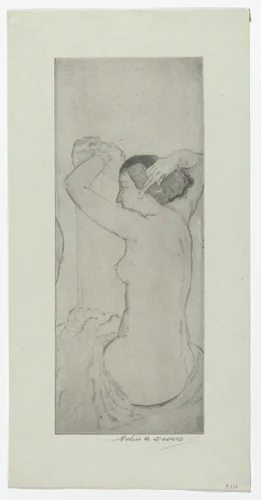
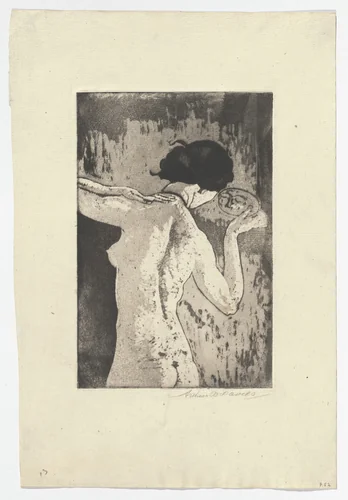
It is perhaps this inherent contradiction—the quiet, visionary artist acting as the pragmatic, highly effective revolutionary—that explains his enduring success in challenging the artistic establishment. Though his prolific career ended in 1928, his legacy continues to be studied in depth, with key works like Nude Woman held in major institutions such as the Art Institute of Chicago and the Museum of Modern Art. Scholars today benefit from high-quality prints derived from these museum-quality collections, furthering appreciation for his unique blend of lyrical imagination and organizational rigor.
Source: Wikipedia · CC BY-SA 4.0