Arshile Gorky
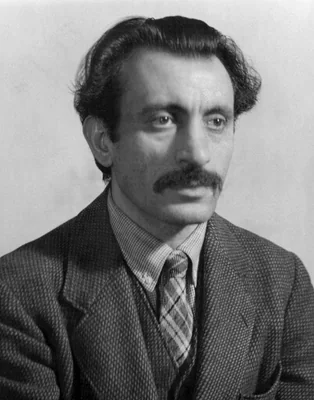
Arshile Gorky (1904-1948) stands as a pivotal transitional figure in modern American art, serving as a crucial catalyst for the development of Abstract Expressionism. This Armenian-American painter, active primarily between 1930 and 1945, synthesized the formal language of European Surrealism with the burgeoning expressive energy of the New York School. He is consistently recognized as one of the four most powerful American painters of the 20th century, a status he shares with contemporaries like Jackson Pollock, Mark Rothko, and Willem de Kooning.
Gorky’s background profoundly shaped his artistic trajectory. Born Vostanik Manoug Adoian, he survived the horrific traumas of the Armenian Genocide, experiences that crucially informed the complex, often sorrowful aesthetic of his mature work. The suffering and intense loss encountered early in life contributed to the unique biomorphic quality and emotional tension that distinguished his later canvases. While he spent his final years as a national of the United States, his enduring emotional connection to memory and the landscape of his youth distinguishes his output from purely abstract contemporaries.
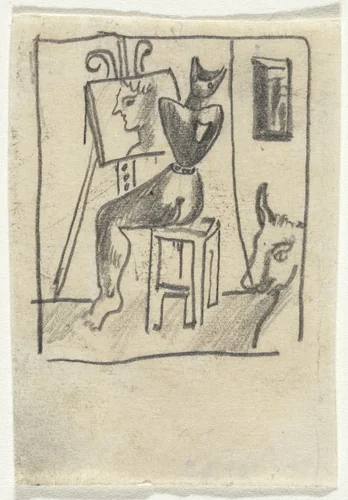
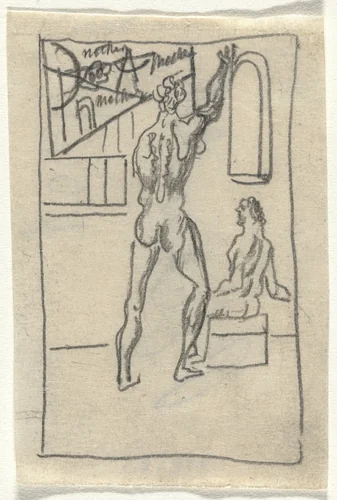
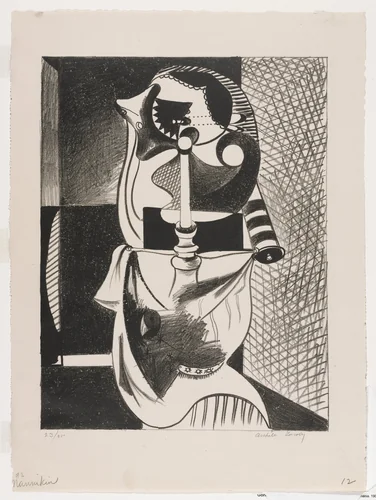
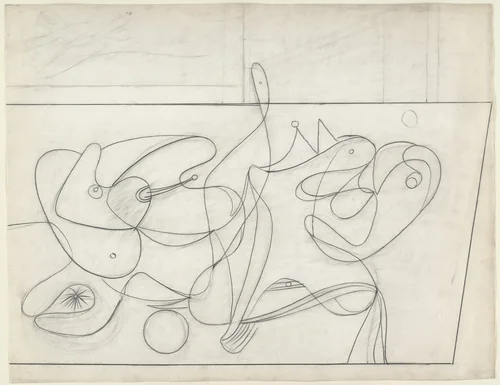
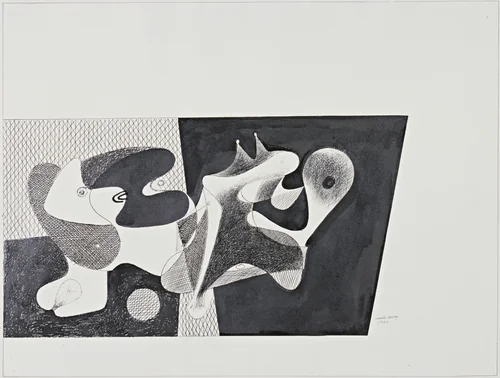
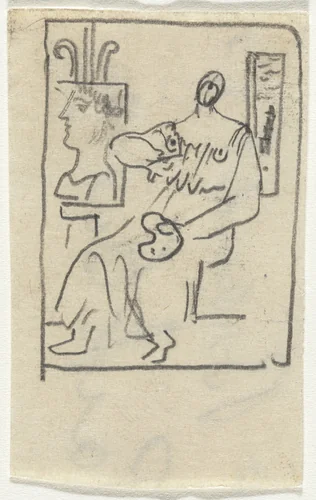
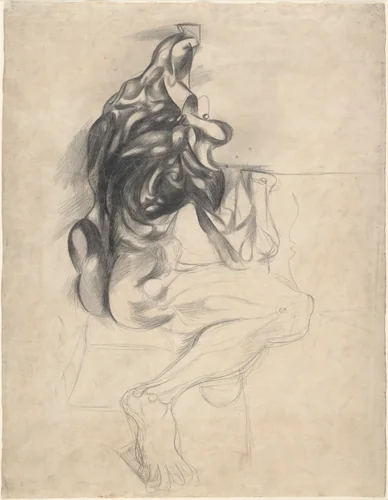
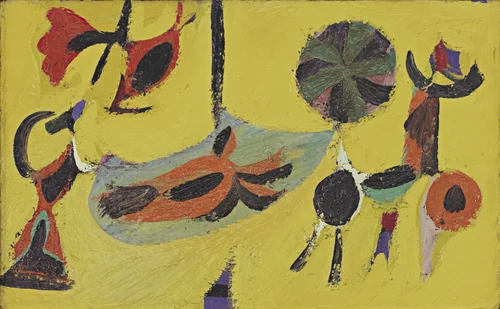
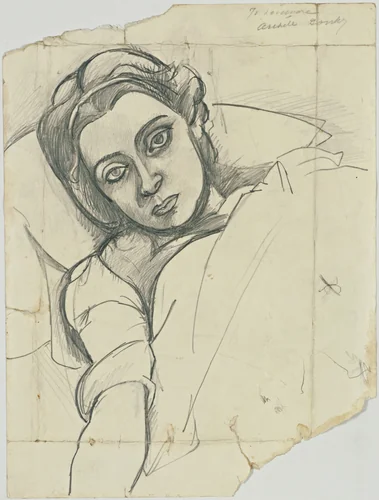
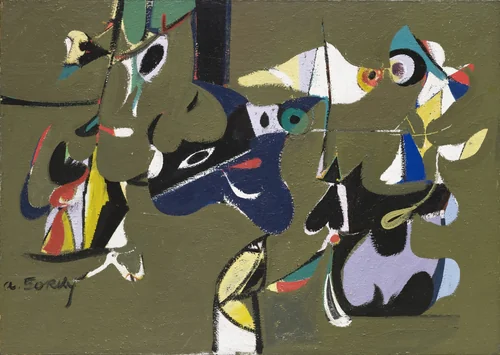
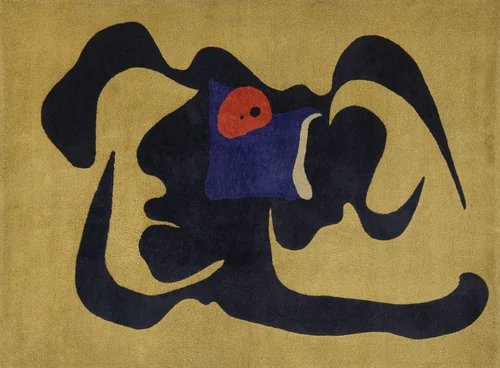
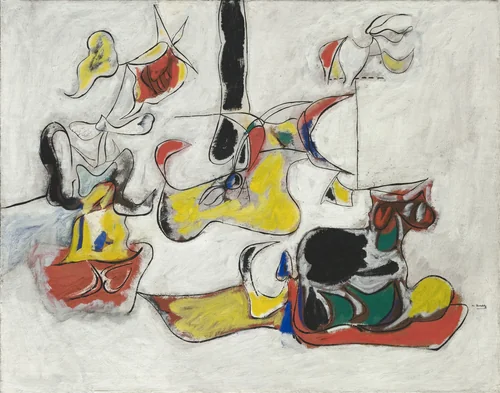
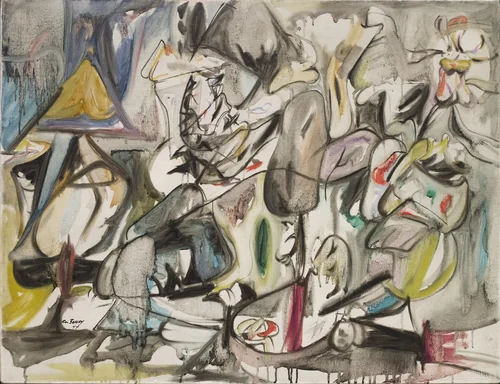
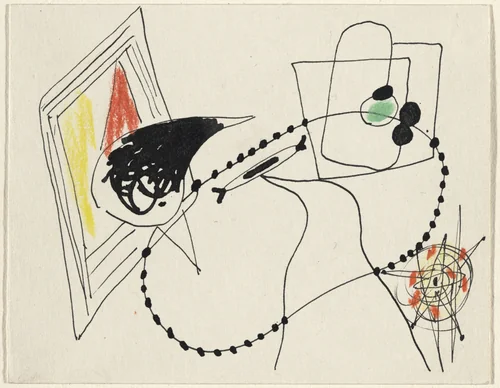
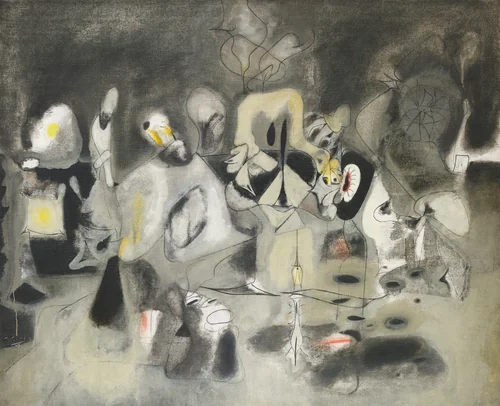
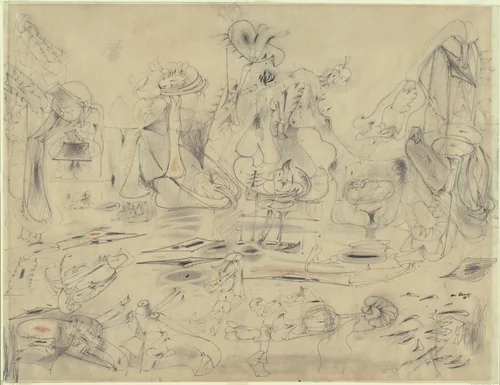
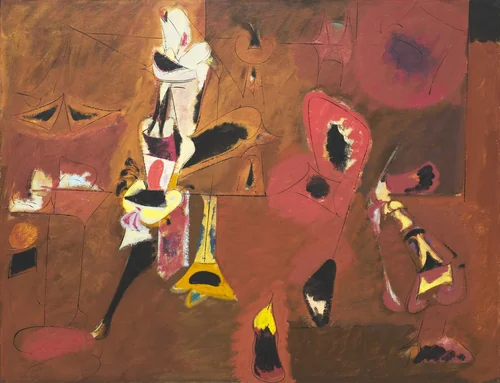
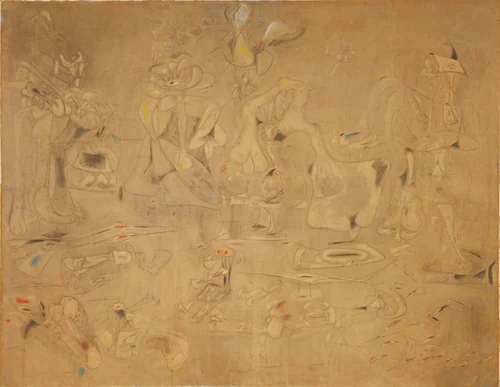
His oeuvre, represented in institutional collections such as the Museum of Modern Art, includes defining works like Mannikin and Untitled (Nighttime, Enigma, and Nostalgia: Objects). Moving beyond the formal analysis of early Cubism, Gorky pioneered the use of fluid, calligraphic line and visceral, organic forms, successfully bridging the gap between automatic drawing and large-scale painterly abstraction. For those studying his technical innovations, detailed reproductions of Arshile Gorky paintings and preparatory drawings are essential tools. Many of these key works are now available as high-quality prints for scholarly examination.
Though Gorky’s active period was relatively brief, his technical audacity and deep emotional sincerity established the fundamental formal vocabulary the New York School would embrace in the post-war era. His influence remains potent, particularly among artists who favored automatism and emotional intensity over strict geometric abstraction. Thankfully, numerous sketches and studies are now in the public domain, making downloadable artwork widely accessible for researchers and enthusiasts worldwide.
Source: Wikipedia · CC BY-SA 4.0