Arnoud van Halen
Arnoud van Halen, an 18th-century painter from the Dutch Republic active between 1673 and 1700, occupies a noteworthy, if understated, position in the transition between the Dutch Golden Age and the subsequent Baroque era. Working primarily in Amsterdam, Van Halen’s surviving body of work, comprising ten paintings and five prints, reveals a focused artistic practice centered on formal portraiture and ambitious classical narrative. His oeuvre demonstrates the technical proficiency required to secure patronage in a competitive, post-boom art market.
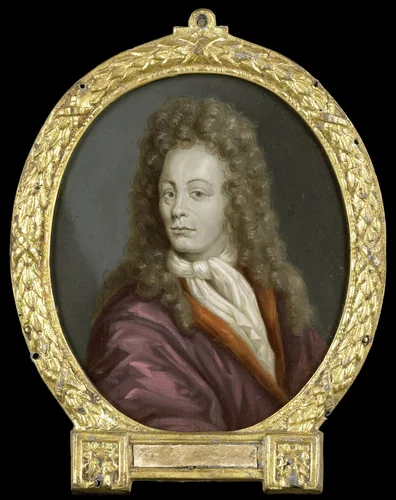
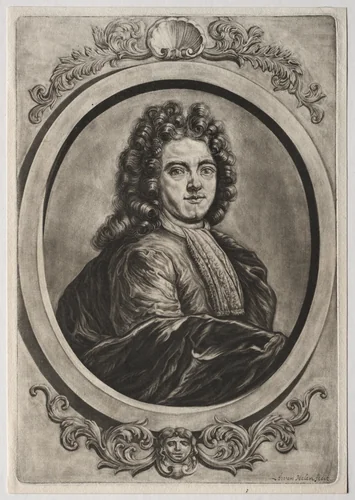
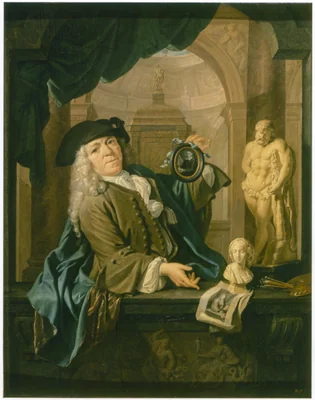
Van Halen’s skill in capturing individualized likenesses is evident in commissioned works such as Portret van François Halma. However, it is perhaps his commanding Zelfportret that best illustrates his masterful handling of chiaroscuro and texture, establishing a sense of immediate presence highly valued in museum-quality collections. While many details of his teaching and influence remain obscured by time, his output clearly places him within the tradition of meticulous Dutch observation.
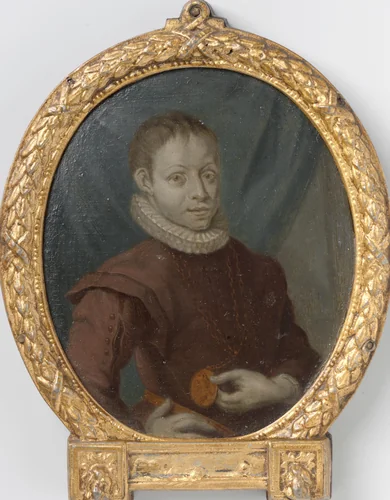
Beyond formal portraiture, Van Halen engaged extensively with mythological subjects, executing two recorded versions of Aeneas vlucht uit Troje (Aeneas Flees Troy). This repetition underscores the sustained demand for large-scale history paintings based on canonical texts, allowing the artist to display his capacity for dramatic composition and the rendering of emotional intensity. He also demonstrated a lighter touch in allegorical genre scenes, such as Jonge man met muziekinstrumenten. This work subtly merges the tradition of formal sitter study with the Vanitas theme, reminding the viewer of the fleeting nature of youthful pleasure and sound, proving that even masters of serious portraiture occasionally enjoyed painting a sophisticated tableau.
Van Halen’s historical importance is certified by the inclusion of his works in major national repositories, most notably the Rijksmuseum. His limited yet influential corpus of Arnoud van Halen paintings and Arnoud van Halen prints continues to be studied as a key indicator of the evolving tastes of the Republic at the turn of the century. Today, many historical works derived from his originals are available as high-quality prints and downloadable artwork through digital collections, ensuring that his contribution to Dutch art remains accessible to scholars worldwide.
Source: Wikipedia · CC BY-SA 4.0