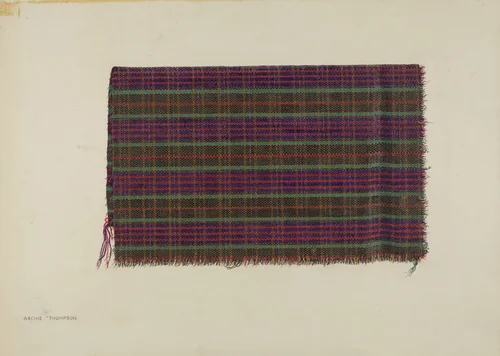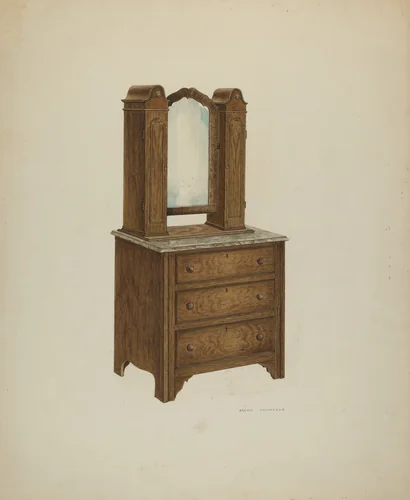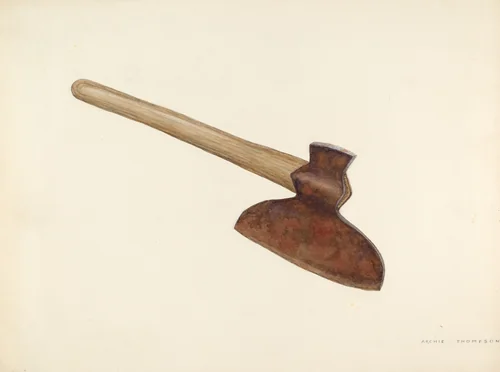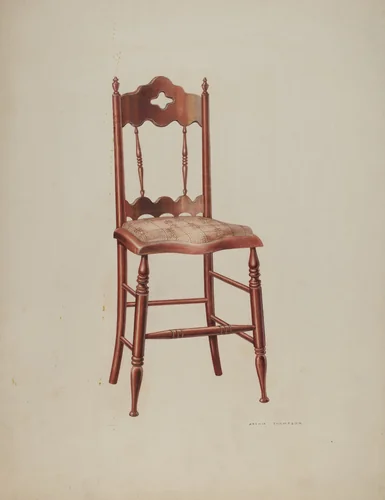
Archie Thompson
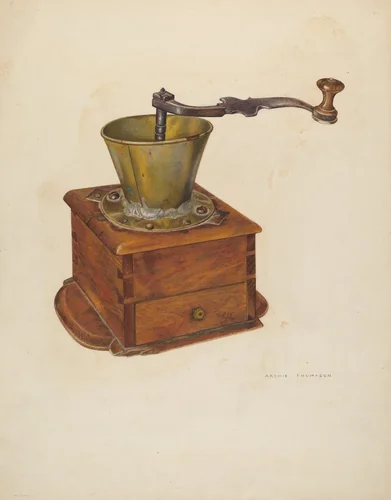
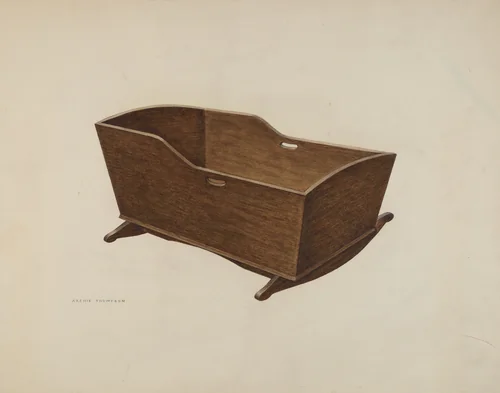
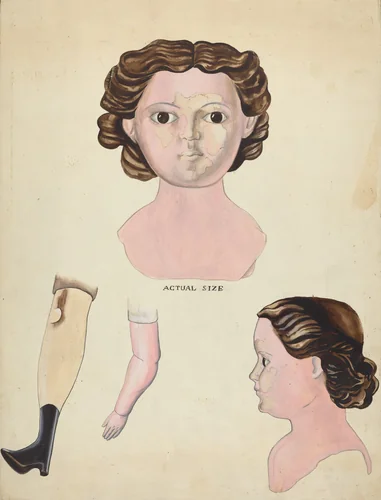
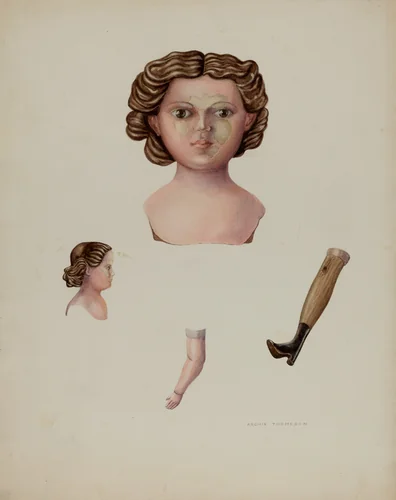
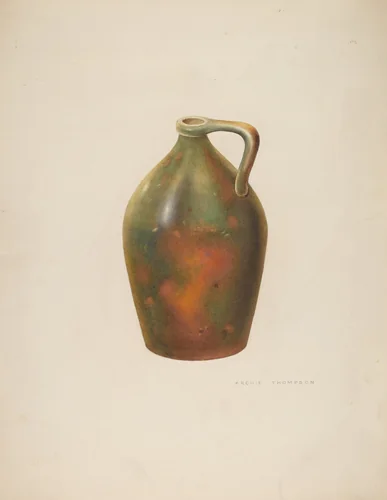
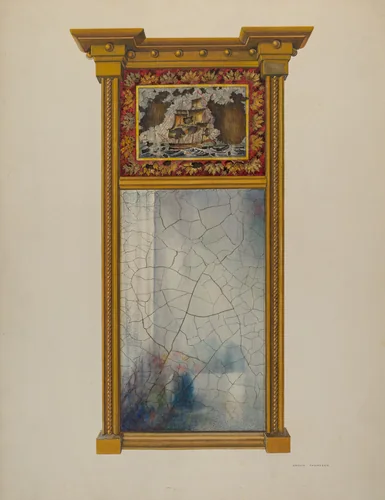
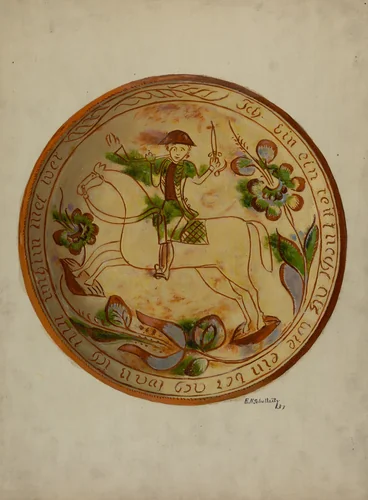
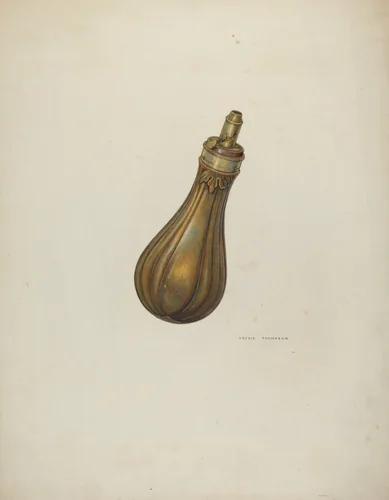
Archie Thompson (active 1935-1939) was a meticulous and significant contributor to the Index of American Design (IAD), a crucial documentation project initiated during the Great Depression under the Works Progress Administration (WPA). His work provided invaluable visual data on early American artifacts, ensuring that historically significant, often utilitarian objects were cataloged before being lost to time or decay.
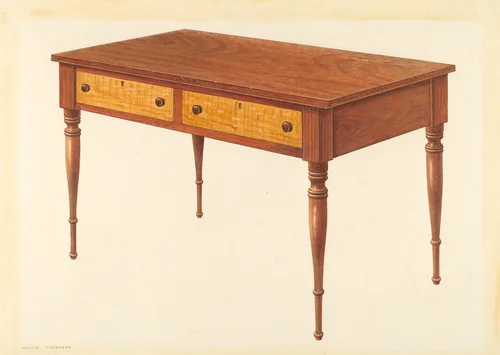
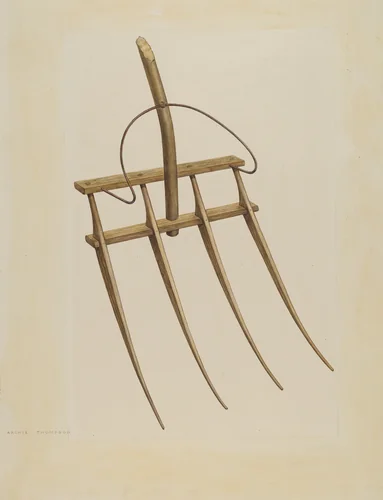
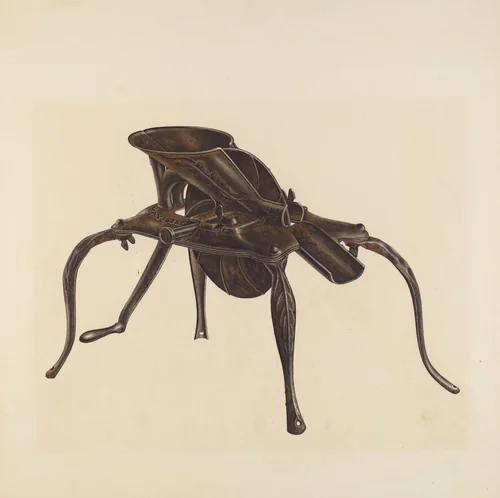
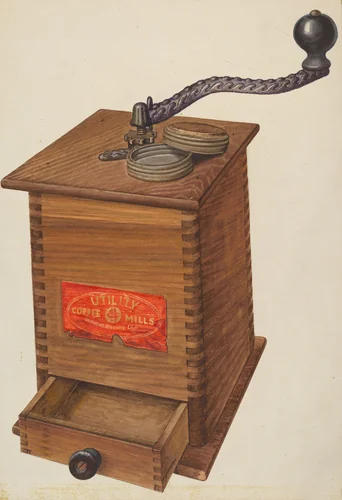
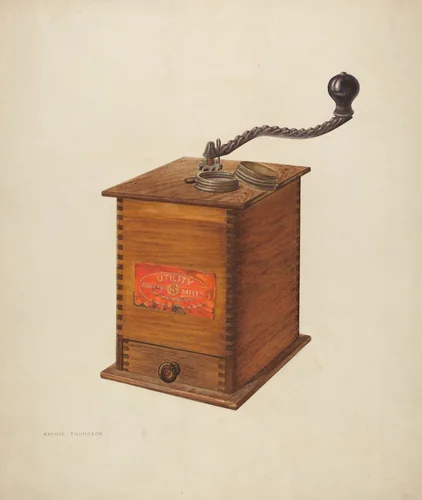
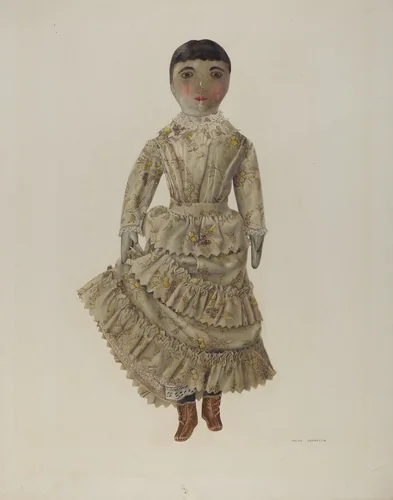
Thompson’s portfolio, comprising fifteen cataloged designs housed within the National Gallery of Art, reveals an acute focus on material culture and regional specificity. He specialized in translating three-dimensional folk artifacts into precise, detailed watercolor and graphite renderings. Works such as Mittens and the architectural study Bed: Bishop Hill exemplify his commitment to objective clarity, moving beyond grand decorative arts to capture the minutiae of daily living and regional craftsmanship. His rendering of the Pewter Flagon, for instance, showcases not only the object's form but also the subtle textures and fabrication details inherent to 18th and 19th-century metalwork.
The clarity and precision of Thompson’s documentation make his works foundational elements of American design history. His submissions, including the studies of the robust Door Stop and the delicate mechanism of the Sewing Bird, illustrate the IAD’s comprehensive mission to archive the full scope of national heritage. Given their institutional provenance and subsequent placement in the public domain, these high-quality prints remain widely studied by historians and designers today. Many of his detailed drawings are now available as royalty-free art prints, demonstrating their enduring value beyond mere archival record.
Thompson’s dedicated output during the late 1930s provided essential clarity to the IAD, a demanding and historically pivotal assignment. While his artistic focus was clearly dedicated to the stillness of historical preservation, public records identify an Archie Gerald Thompson who achieved widespread recognition in a decidedly more kinetic arena: professional Australian football, where he later served as an ambassador for Melbourne Victory FC. This unusual trajectory, from the quiet precision of museum-quality documentation to the high-stakes energy of professional sport, offers an intriguing footnote to the life of this essential WPA-era draftsman.
Source: Wikipedia · CC BY-SA 4.0