Antonis Mor
Anthonis Mor (c. 1517-1577), known internationally as Antonio Moro, stands as one of the most crucial Netherlandish portrait painters of the mid-16th century. His sophisticated, psychological portraits made him an essential visual asset in European courtly life. The demand for his talents was immense, leading him to serve the most powerful aristocratic and royal families, most notably under the patronage of the formidable Habsburg dynasty.
Mor’s reputation for capturing both the authority and the character of his sitters secured him high status and required constant travel between commissions in Brussels, London, Lisbon, and Madrid. Though referred to by a diverse range of spellings across different regions and languages—from Anthonis Mor van Dashorst to António Mouro—the artist consistently utilized the signature Anthonis Mor on the canvases that cemented his lasting fame. His active period of work recorded in major collections, such as the Antonis Mor paintings documented between 1558 and 1569, reveals an artist working at the peak of his diplomatic and creative power.
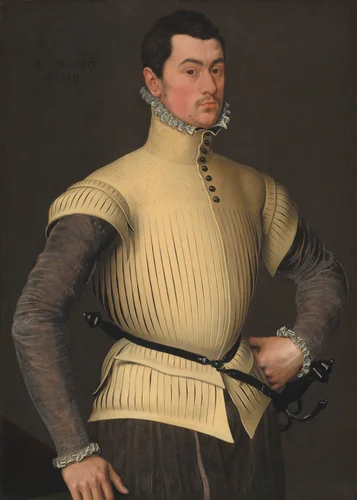
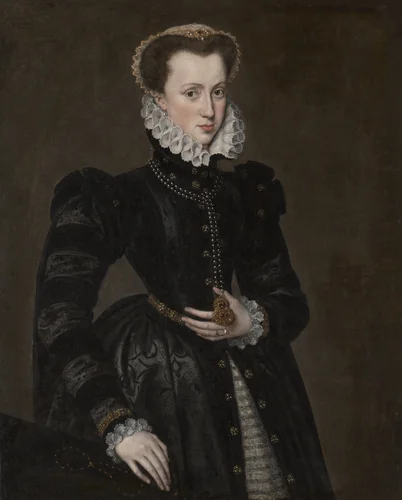
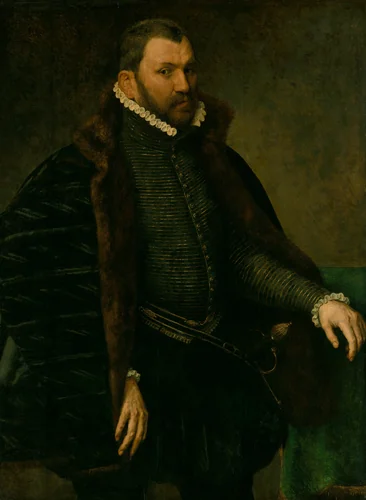
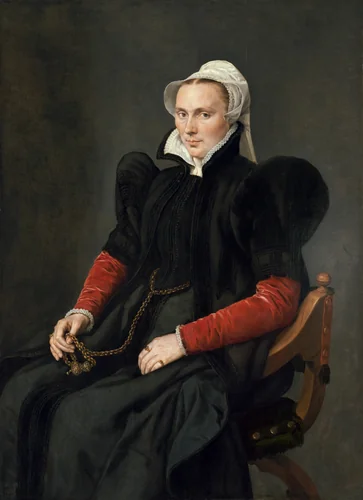
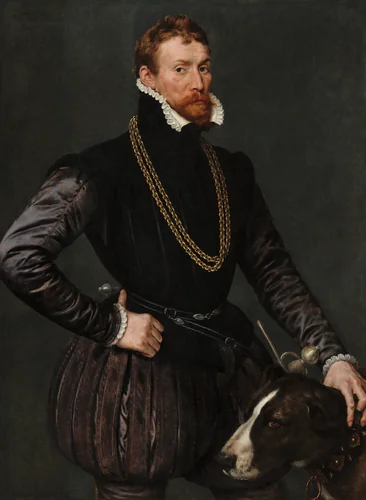
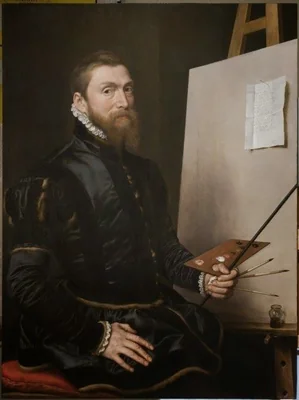
Mor’s style is characterized by a polished technique, meticulous handling of detail, and an unwavering focus on conveying the social authority of his subjects. He favored sober compositions, minimizing background distraction to focus the viewer’s attention strictly on the sitter's face and sumptuous apparel. Whether creating the subtle Portrait of a Court Lady or the perceptive Portrait of a Gentleman, Mor was a master of ensuring that his subjects maintained their dignity while subtly revealing a distinct sense of personality. One might observe that his greatest talent was not merely the faithful depiction of flesh and fabric, but the necessity of navigating the treacherous political currents of the era while still extracting a human truth from Europe's most powerful egos.
Today, the enduring legacy of Mor’s work is preserved in prestigious institutions globally, including the National Gallery of Art and the Art Institute of Chicago. As many of these celebrated pieces, such as Portrait of a Seated Woman and Portrait of a Young Man, reside firmly within the public domain, their detailed compositions are now widely accessible. Scholars and admirers can study these striking historical records, often accessed as high-quality prints, confirming Mor’s status as the definitive court recorder of the Northern Renaissance.
Source: Wikipedia · CC BY-SA 4.0