Antonio da Trento
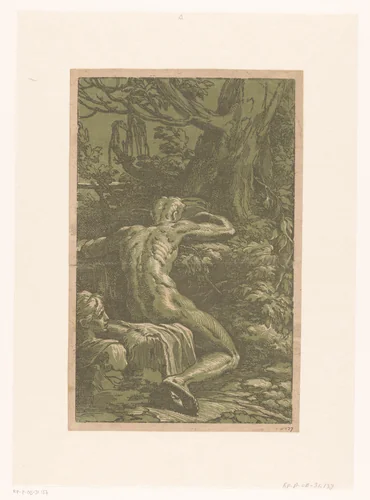
Antonio da Trento (1508-1550) stands as a pivotal figure in the development of the chiaroscuro woodcut during the Italian Cinquecento. Born in Trento, this highly specialized printmaker distinguished himself by elevating the woodcut medium from a mere reproductive process to a sophisticated vehicle for tonal and dramatic expression. His surviving oeuvre, documented at around fifteen pieces, including fourteen prints and one drawing, demonstrates an obsessive focus on technical refinement over mass production.
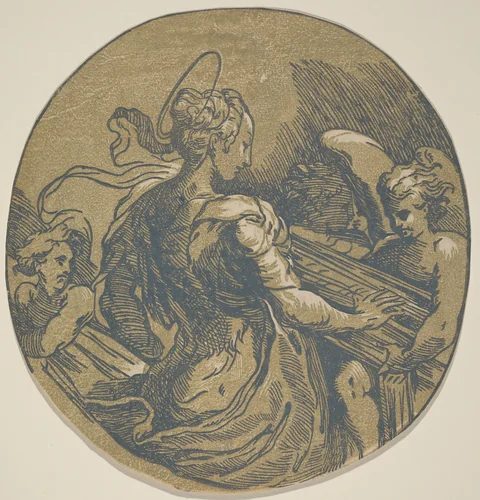
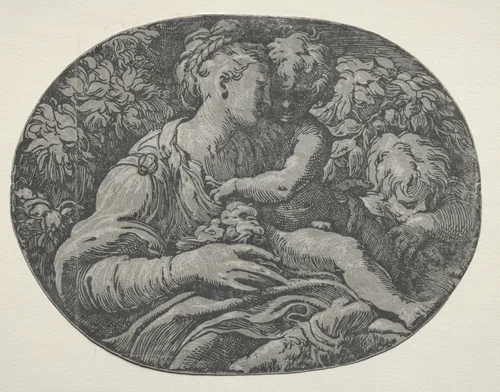
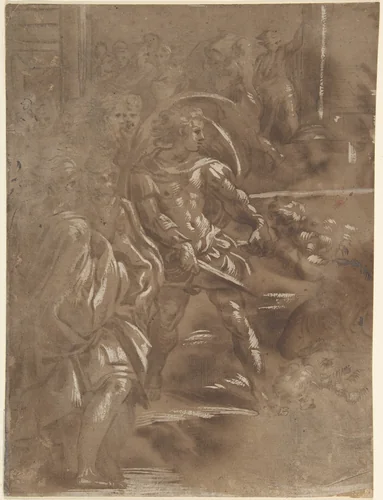
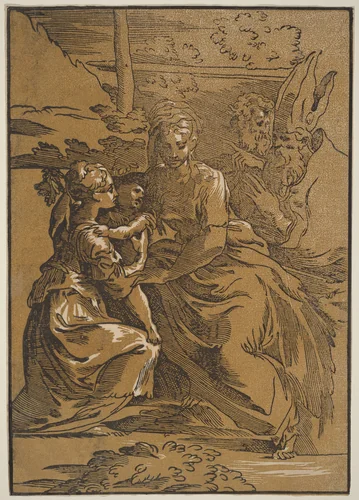
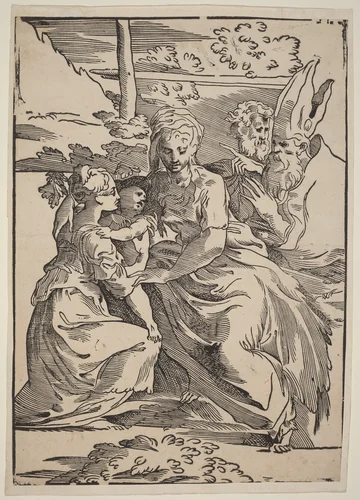
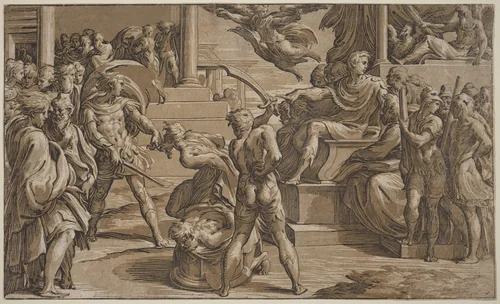
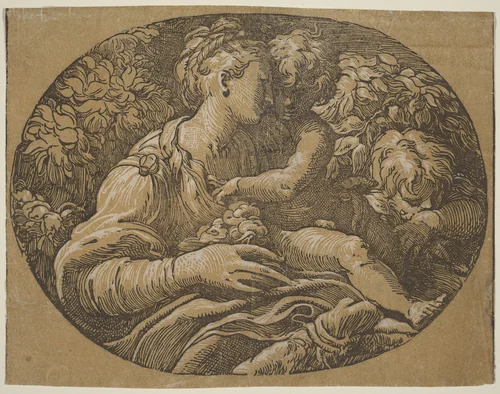
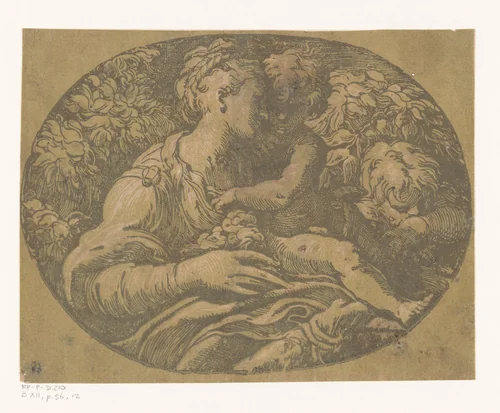
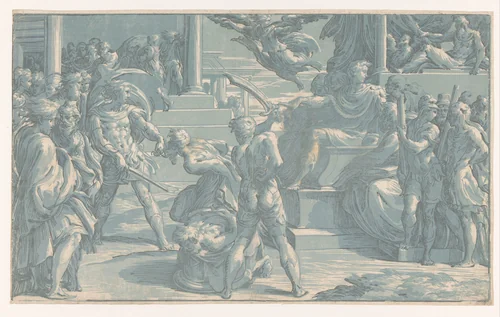
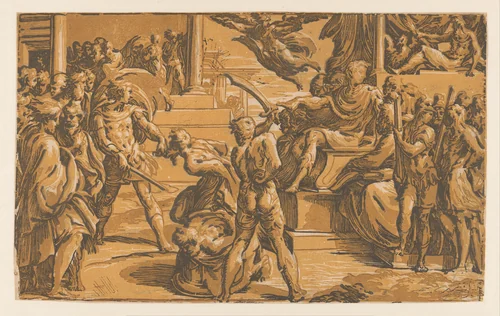
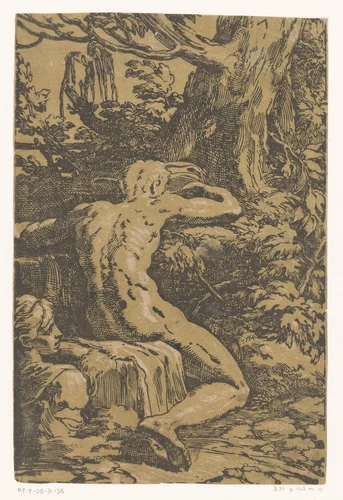
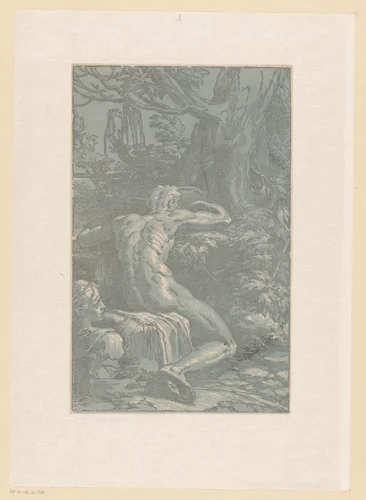
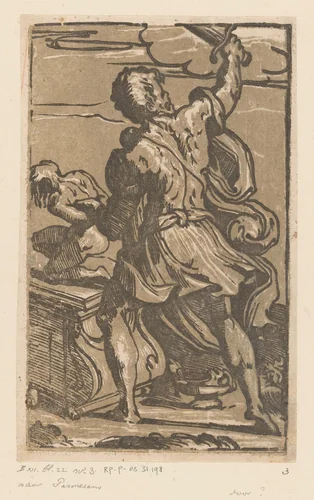
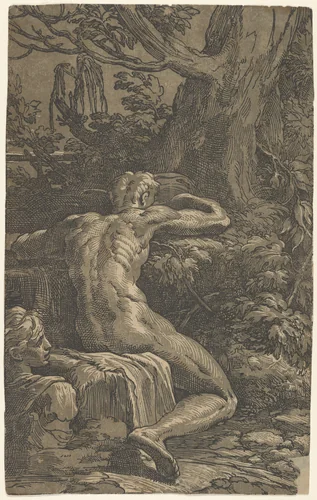
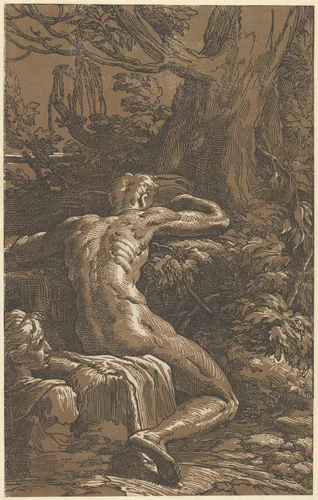
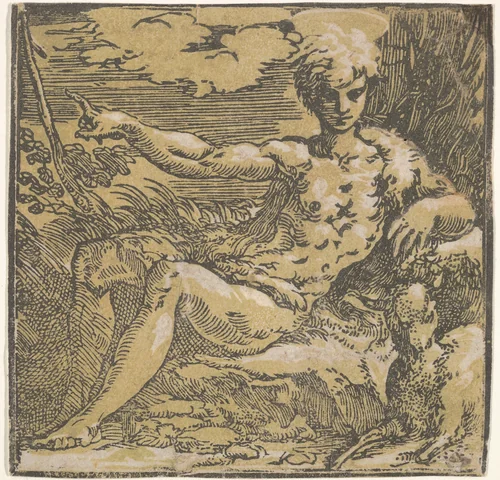
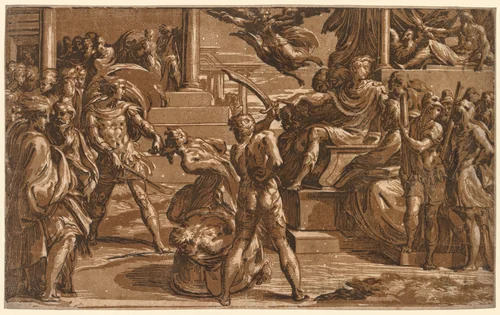
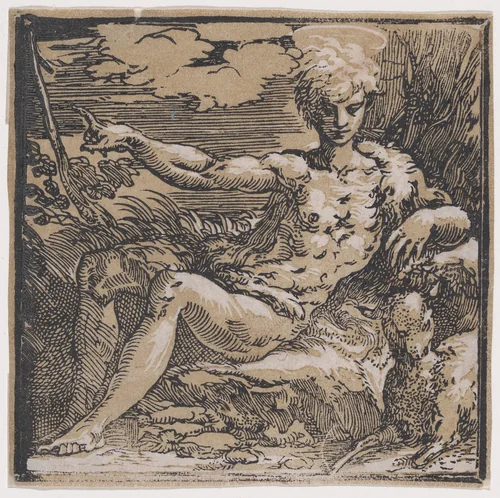
Trento’s initial education likely came under the influential printmaker Ugo da Carpi, who pioneered the technique of printing shadows and light using multiple woodblocks. This innovation afforded prints a pictorial depth previously reserved for finished drawings or small-scale paintings. Trento soon became closely associated with the celebrated Mannerist painter Parmigianino (Francesco Mazzola), serving as his devoted disciple and primary print interpreter. This close relationship proved foundational; many of the most famous Antonio da Trento prints, such as Virgin and Child with St. John and the powerful fragment Left Third of a Martyrdom of Saint Peter and Saint Paul, are faithful adaptations of Parmigianino’s flowing, elongated designs. This demanding technical translation established Trento's reputation for successfully converting complex Mannerist compositions into the demanding linearity of relief printing.
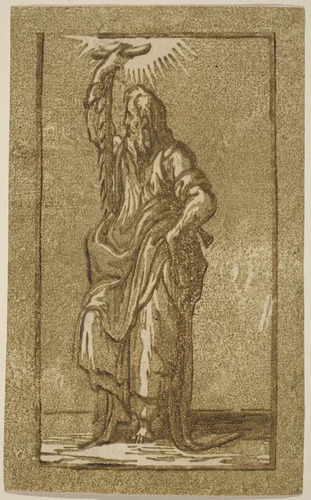
The complex, multi-block process required for chiaroscuro means that most of his output centers on religious themes, allowing for intense, focused drama in works like Saint Simon and The Holy Family with Two Saints. An understated observation regarding his process is that the collaboration with Parmigianino was not always seamless; historical sources suggest the printmaker occasionally took minor liberties with the master’s sketches, perhaps due to a necessary streamlining of detail or simply commercial ambition.
By the mid-century, Trento’s mastery of light and shadow had significantly influenced Northern European graphic arts, particularly within the orbit of the School of Fontainebleau. Today, institutional collections across the globe, including the Metropolitan Museum of Art, the Rijksmuseum, and the Cleveland Museum of Art, preserve these museum-quality achievements. Thanks to the enduring legacy of printmaking and the rise of digital archives, these historical high-quality prints are increasingly available for study, often accessible as downloadable artwork.
Source: Wikipedia · CC BY-SA 4.0