Antonio Correggio
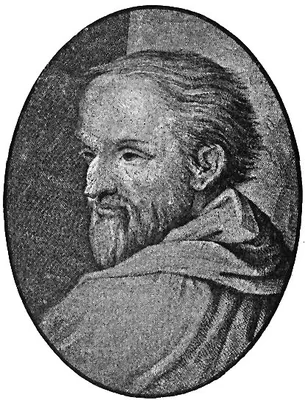
Antonio Allegri da Correggio (c. 1489-1534), known simply as Correggio, stands as the central figure of the Parma school and one of the most profoundly influential painters of the Italian High Renaissance. Active primarily in the early sixteenth century, he defined a path distinct from the classical composure often associated with Florentine and Roman masters, offering instead some of the era's most vigorous, emotionally immediate, and sensuous compositions.
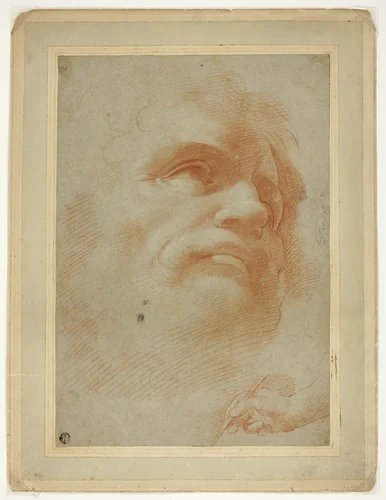
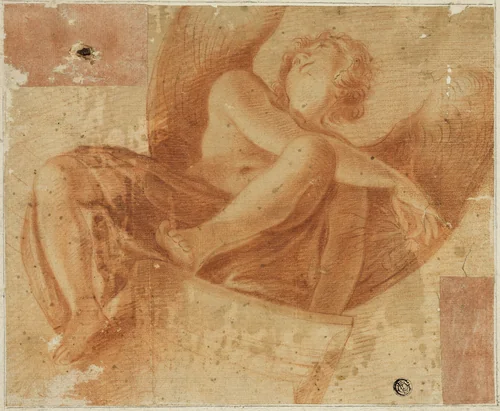
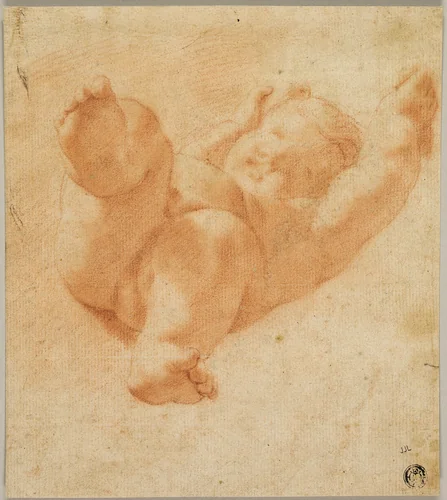
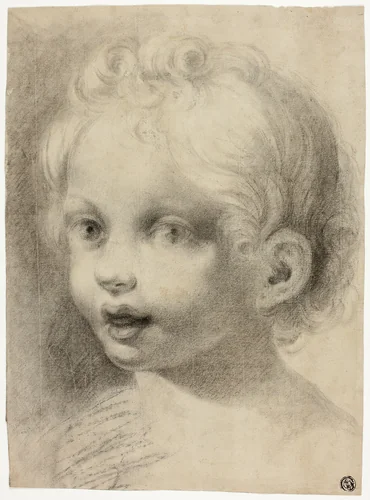
Correggio’s significance rests heavily on his revolutionary approach to spatial definition and light. He established himself as a foundational master of chiaroscuro, using subtle transitions between shadow and illumination to give his figures unprecedented emotional weight and three-dimensionality. His technical prowess is particularly evident in the exacting study seen in works held in collections such as the Art Institute of Chicago, including drawings like Foreshortened Angel and preparatory sketches for grand religious commissions.
He specialized in exploiting dynamic composition and radical illusionism, achieving effects that would define subsequent art movements. His command of dramatic foreshortening allowed him to dissolve architectural barriers, particularly in his dome frescoes, creating celestial visions that appeared to burst downward into the viewer's space.
This innovative use of dynamic perspective and emotional intensity fundamentally prefigured the dramatic exuberance of seventeenth-century Baroque art and the ethereal grace of eighteenth-century Rococo. It is a curious historical footnote that despite shaping the trajectory of European illusionism for two centuries, Correggio remained largely localized to Emilia-Romagna. He achieved this immense, cross-continental influence without seeking fame or patrons in the traditional artistic capitals.
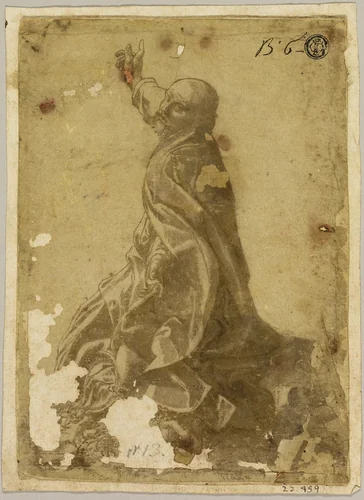
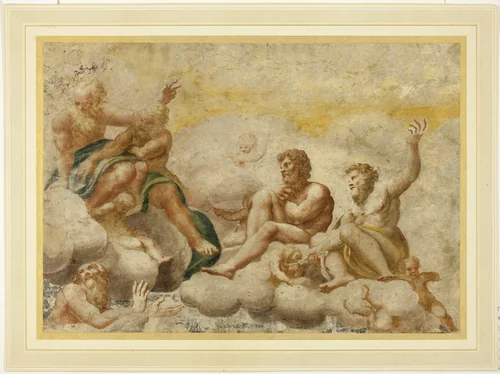
Today, scholars continue to appreciate the technical audacity of Antonio Correggio paintings. The rigorous technical studies, such as the drawing of Saint Peter and other Seated Apostles, with Saint John the Evangelist Below, demonstrate the artist’s dedication to composition. Much of his oeuvre is now in the public domain, allowing these masterful compositions to be appreciated globally, often accessed through high-quality prints that preserve the delicate handling of light and shadow essential to his status as a museum-quality master.
Source: Wikipedia · CC BY-SA 4.0