Antonio Canova
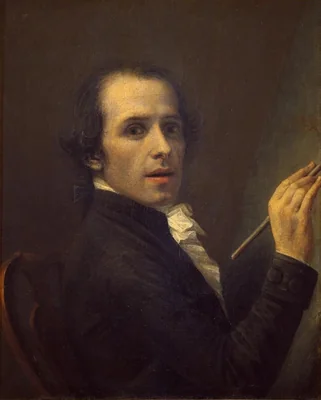
Antonio Canova (1757-1822) stands as the definitive master of Neoclassicism in sculpture. An Italian artist whose influence shaped European taste for decades, his genius defined the period’s shift from the dramatic flourishes of the Baroque era to the studied purity and sublime elegance of the classical revival. Often cited simply as the greatest exponent of the movement, Canova established a standard of polished marble perfection and compositional rigor that remains unparalleled.
Canova’s aesthetic was a deliberate synthesis. He drew powerful lessons from ancient Roman and Greek sculpture while incorporating the dynamic flow learned from Baroque masters. His significant innovation lay in achieving a critical equilibrium, rigorously avoiding the heavy melodramatics and emotional excess of the former tradition, yet equally bypassing the cold, occasionally academic artificiality that plagued less inspired iterations of Neoclassicism. This balance resulted in marble works characterized by both kinetic movement and an almost luminous, impeccably smooth surface finish, achieved through meticulous polishing techniques he developed.
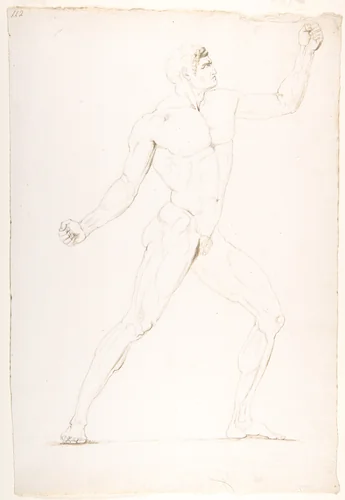
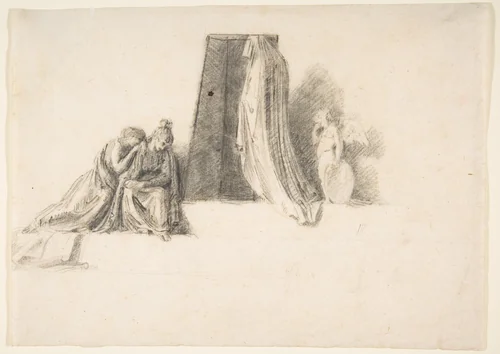
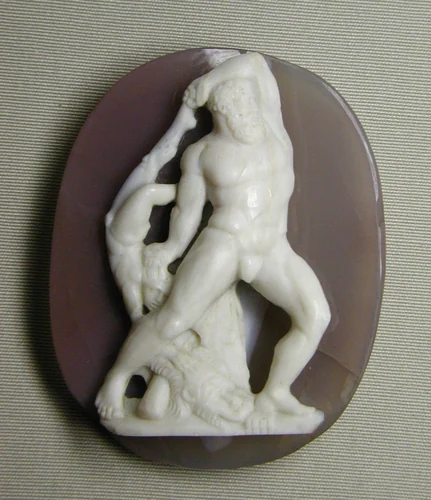
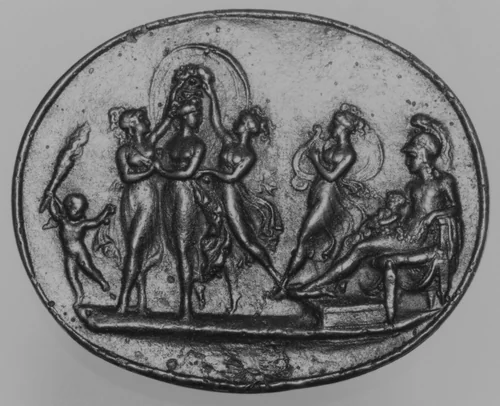
His rigorous artistic practice is evidenced across his surviving production, which includes monumental works, metalwork casts, and numerous preparatory studies. The Metropolitan Museum of Art, among other major institutions, holds important works demonstrating his process, such as the intense Study of a Nude Man in Profile turned to the Right and the conceptual Study for a Tomb. While he is celebrated for emotionally charged mythological narratives like Hercules about to hurl Lichas into the sea and the graceful, complex composition of The Graces and Venus Dancing before Mars, it is perhaps surprising, given his public reputation for idealized purity, that Canova was known privately for executing playful, almost caricatural sketches for his close friends, demonstrating an engaging wit often masked by the severity of his major commissions.
The enduring significance of Canova’s output ensures his continuing presence in museum collections globally. While the grand sculptures dominate his legacy, many of his finished compositions and preparatory drawings are available to the public. Today, art enthusiasts can readily find high-quality prints and downloadable artwork of his magnificent designs, ensuring that his mastery of form remains widely accessible, centuries after he set the benchmark for classical sculpture.
Source: Wikipedia · CC BY-SA 4.0