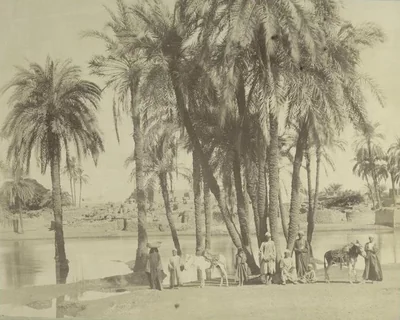
Antonio Beato
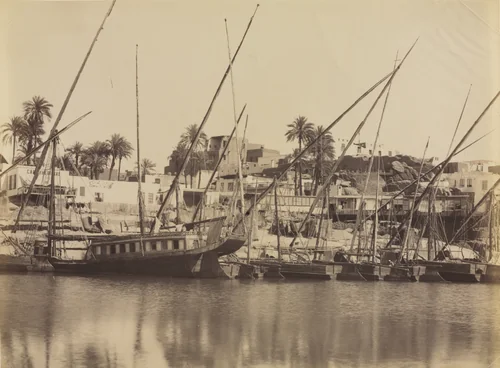
Antonio Beato (also known as Antoine Beato) stands among the foundational figures of commercial photography in the Middle East during the mid-nineteenth century. An Italian-British professional, he established his reputation documenting the architecture and landscapes of Egypt and the broader Mediterranean region. Beato worked closely with his older brother, Felice Beato, forming part of a specialized, albeit small, group of photographers who first succeeded in generating high-quality photographic plates of the Orient on a large, marketable scale.
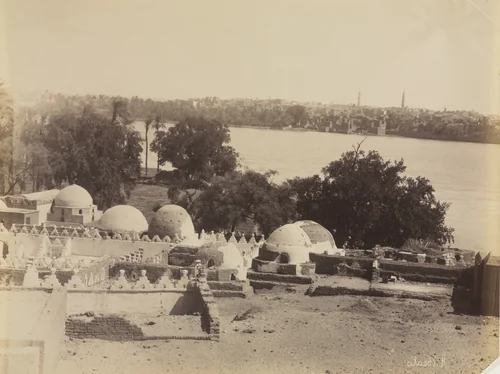
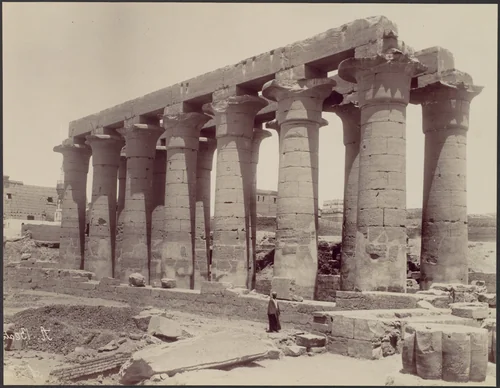
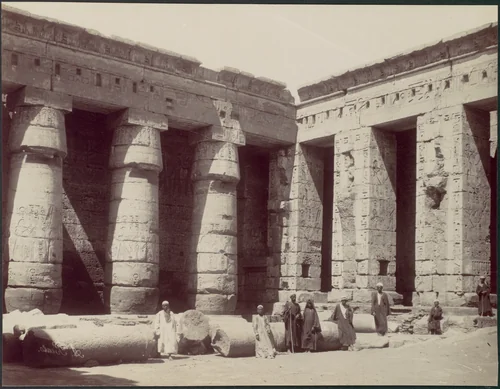
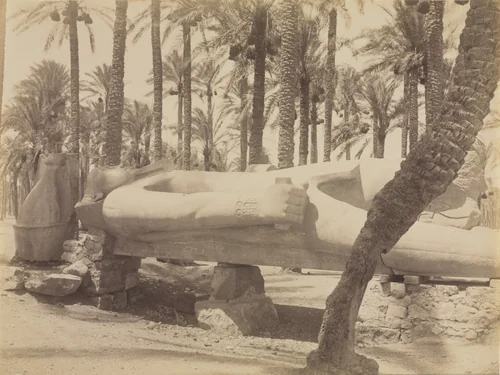
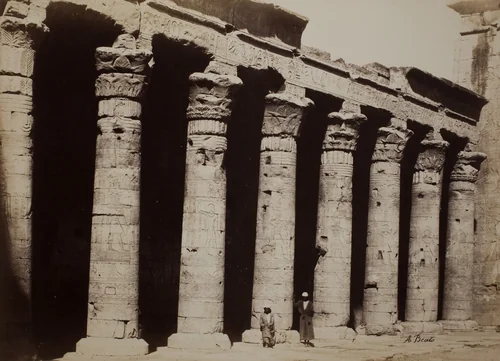
Active primarily between 1860 and 1870, Antonio Beato focused intensely on monumental architectural studies and topographical views, capturing the scale and detail of ancient Egyptian ruins with unprecedented clarity. His photographs served a crucial function, providing the Western public with the first reliable visual records of sites previously accessible only through sketches or written accounts. Producing images of this size and complexity required immense logistical planning, given the unstable chemistry and heavy plate equipment of the era; the operation had to be as organized as the ruins were timeless.
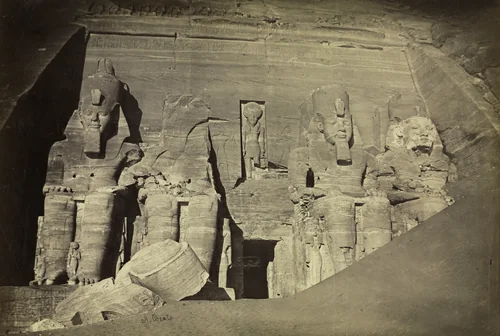
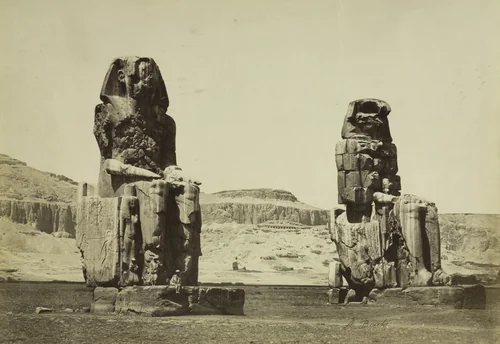
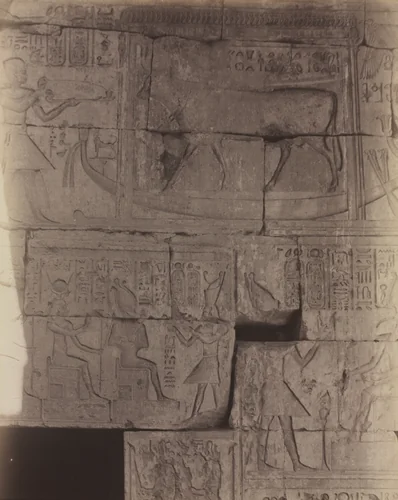
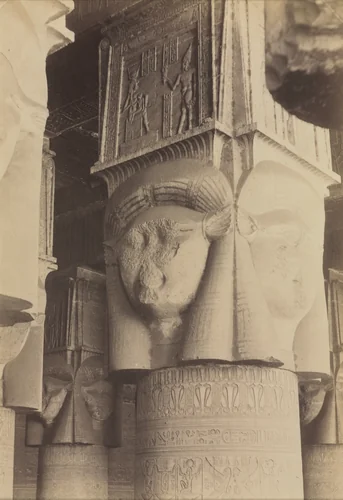
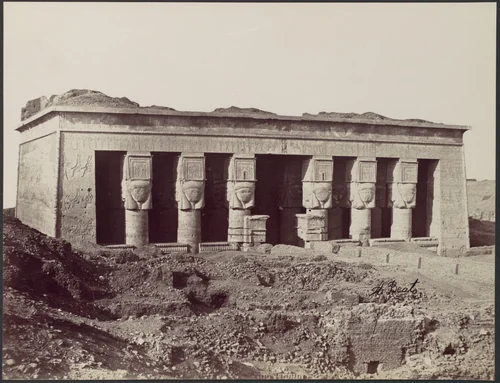
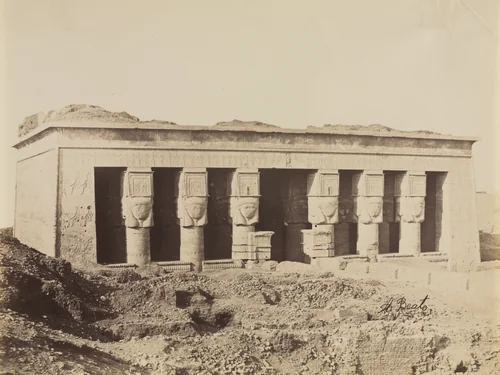
His enduring output includes seminal works such as the grand survey of the Temple of Ramesses II, Abu Simbel, and the majestic depiction of The Colossi of Memnon, Thebes. Unlike many contemporaries who specialized strictly in one format, Beato also competently produced studio genre works and portraits, suggesting his specialization in monumental architecture was a choice dictated by commercial demand and technical opportunity rather than by any limitation in his skill set. His meticulous documentation, evident in studies like Dendera, Interior of the Temple, Hathor Capitals, transitioned these structures from mythic imaginings into concrete historical forms.
Today, Beato’s significant photographic prints are held in major institutions globally, including the Metropolitan Museum of Art, the Art Institute of Chicago, and the Cleveland Museum of Art. His commitment to capturing the monumental past ensures his continued relevance as a source for architectural history. Many of his historical views, considered museum-quality documentation, have subsequently entered the public domain, offering historians and enthusiasts access to high-quality prints that preserve the architectural condition of these sites nearly 150 years ago.
Source: Wikipedia · CC BY-SA 4.0