Antonio Baratta
Antonio Baratta was an Italian engraver, etcher, and printmaker who was active during the critical late eighteenth century. Though his recorded output is modest, numbering only eleven known prints dating to 1771, Baratta’s significance derives not from large-scale reproductive work, but from his specialized contribution to the documentation and analysis of the printmaking craft itself. His surviving work functions as an essential technical archive, demonstrating a command over the various processes employed during this period of intense graphic innovation. This focused technical expertise secures his lasting place in institutional holdings, including the collection of the National Gallery of Art.
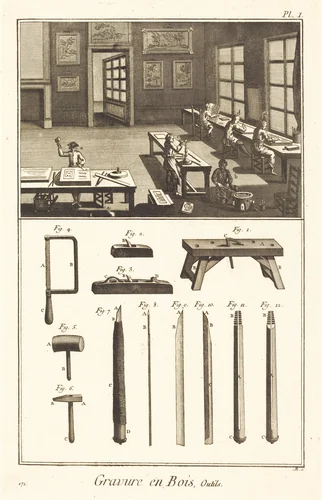
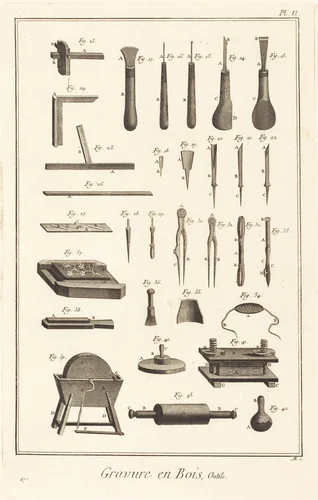
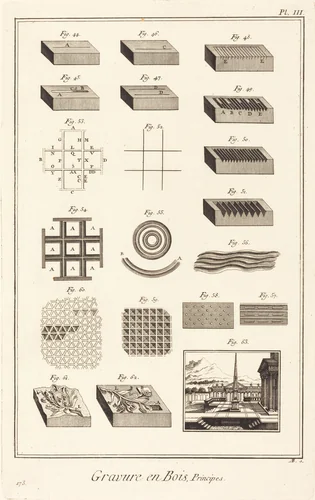
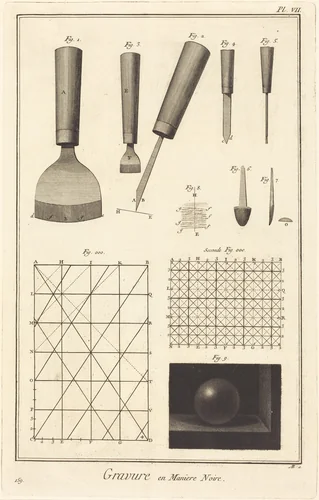
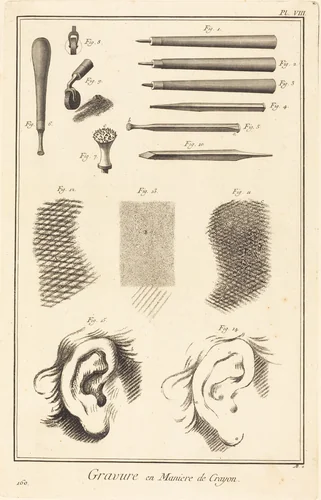
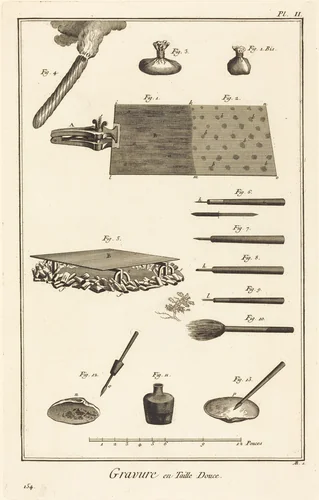
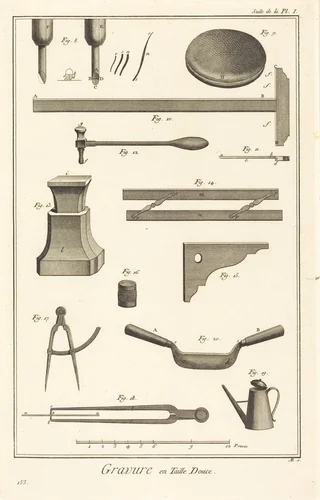
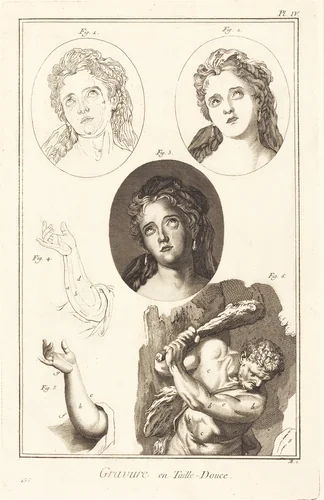
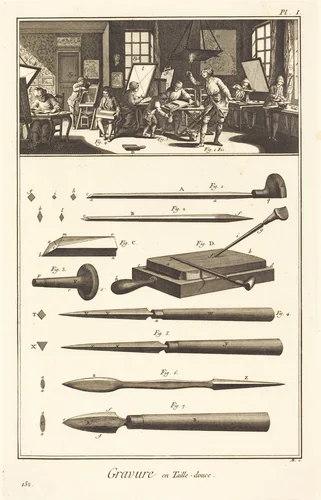
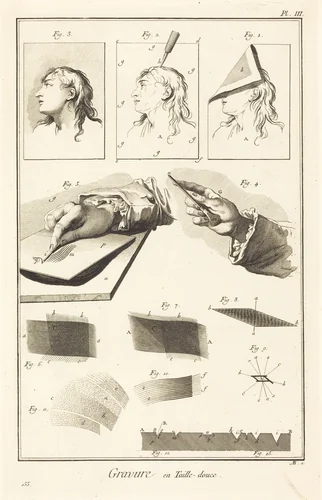
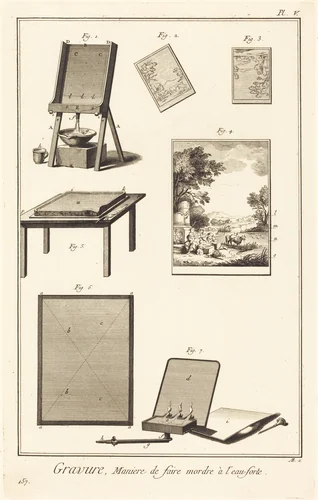
Baratta’s most notable plates serve as a visual lexicon for practitioners, meticulously defining and illustrating the specialized tools and stages necessary for creation. He devoted several works to detailing relief printing, such as Gravure en Bois, Outils: pl. I and Gravure en Bois, Outils: pl. II, which document the intricate preparation required for wood engraving. His scope was comprehensive, extending to the intaglio techniques favored by contemporary French workshops. He explored the tonal richness of mezzotint in works like Gravure en Maniere Noire: pl. VII, while plates such as Gravure en Maniere de Crayon: pl. VIII documented the stipple and roulette methods designed to replicate the soft texture of chalk or crayon drawing. Baratta’s output suggests he was perhaps an engraver's engraver, a meticulous technician whose ultimate subject was the mechanics of visual reproduction.
The historical impact of these Antonio Baratta prints lies in their precise clarity and instructional value, offering vital visual references for the dissemination of technical arts across Europe during the Enlightenment. They ensured that specialized knowledge, often confined to specific urban workshops, could be broadly understood by artists and publishers. Today, because these historical technical studies are increasingly considered public domain, researchers and educators can access high-quality prints and royalty-free downloadable artwork. While the artist’s name is rarely associated with Antonio Baratta paintings, his definitive graphic treatises provide enduring insight into 18th-century artistry and technological pedagogy.
Source: Wikipedia · CC BY-SA 4.0