Antonio Abondio
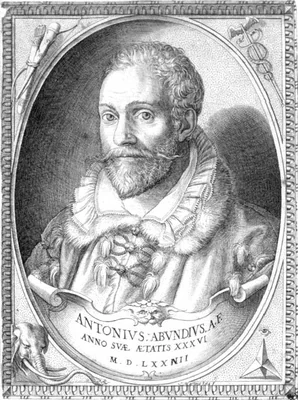
Antonio Abondio (1538–1591) secured his place in Renaissance art history not merely through traditional sculpture but as a foundational figure in the specialized field of portraiture. Though trained as an Italian sculptor, his greatest influence stemmed from the miniaturization of the form, primarily through his acclaimed work as a medallist and, most significantly, as the pioneer of the coloured wax relief portrait miniature.
Active between 1557 and 1580, Abondio transformed the conventions of portable portraiture. The shift from bronze casting to wax modeling allowed for an unprecedented intimacy and chromatic detail in representing his high-profile aristocratic and dynastic subjects. These reliefs, often executed on slate or glass, offered a three-dimensional immediacy absent in the two-dimensional painted miniature. Abondio was adept at capturing the subtle physiognomic realities of his sitters, ensuring the medium achieved both documentary precision and artistic vitality. It is perhaps the most impressive observation regarding this technique that such a fragile medium, highly susceptible to ambient temperature changes and damage, managed to survive the intervening centuries in remarkable museum-quality condition.
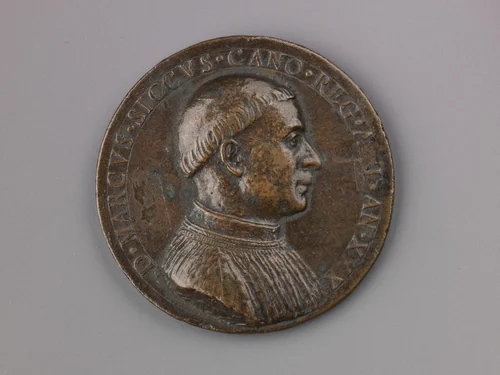
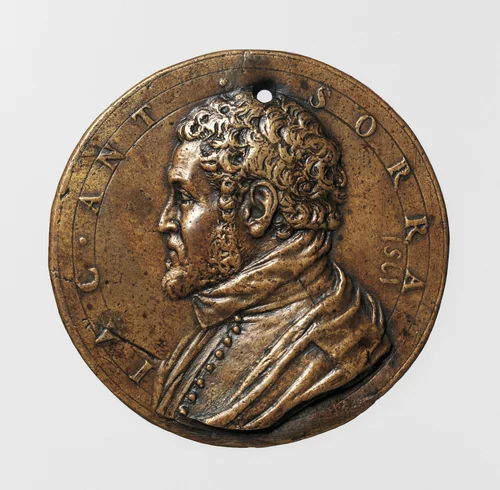
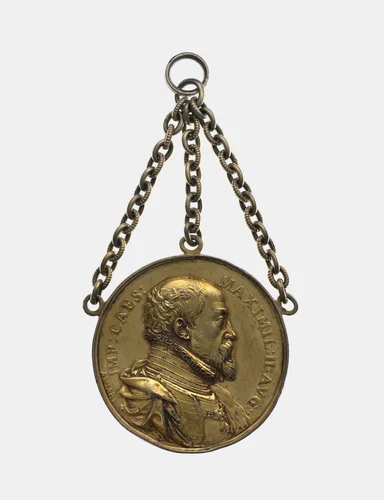
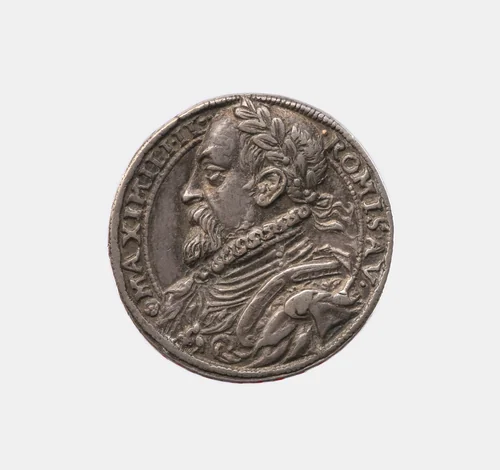
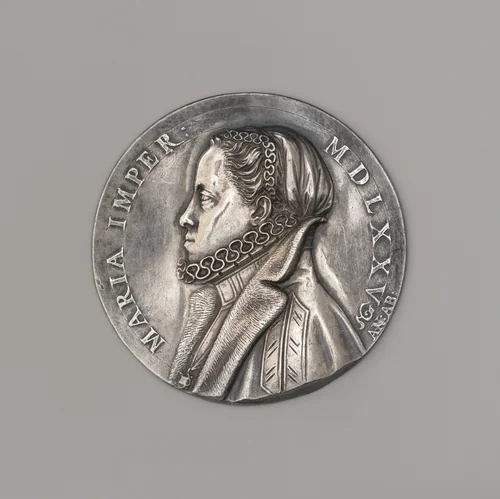
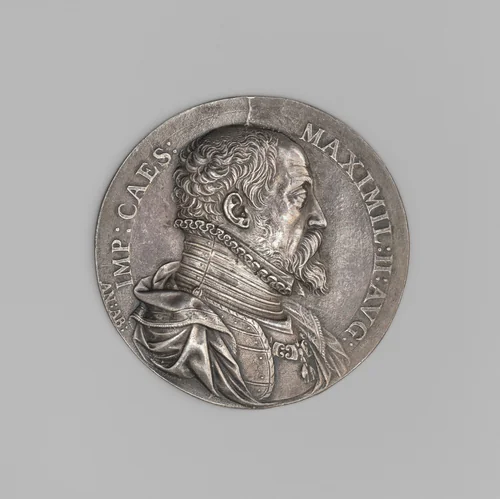
Abondio’s medallic output focused substantially on key figures of the European courts. His commissions included precise likenesses of Maximilian II of Hapsburg (Emperor 1564-76) and his consort, Empress Maria, establishing the artist's close ties to imperial patronage. His bronze works, such as the Portrait medal of Jacopo Antonio Sorra (which features the intriguing reverse motif, A Nude Male Figure Shooting Arrows), and the bust of Marco Sicco, demonstrate the precise epigraphic and sculptural control required of the Renaissance medallist working across varied materials.
Today, Abondio’s works are housed in major international institutions, including the Metropolitan Museum of Art. While the unique materiality of his wax reliefs requires highly specialized preservation, many of his medallic designs and portraits are accessible. For scholars and enthusiasts studying these miniature sculptural achievements, high-quality prints derived from the public domain documentation of his medals are now available as downloadable artwork, ensuring Abondio’s innovative contributions remain central to the history of Renaissance portraiture.
Source: Wikipedia · CC BY-SA 4.0