Anton Raphael Mengs
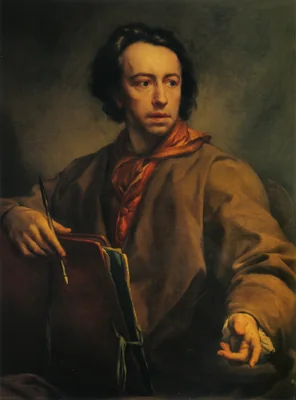
Anton Raphael Mengs (1728-1764) stands as the pivotal German painter who defined the early contours of European Neoclassicism. His significance lies not only in his prodigious output but also in his theoretical writings, which provided the intellectual armature necessary for the transition away from the lightness and excess of the preceding Rococo movement. Mengs advocated for an academic rigor rooted in the synthesis of classical perfection, Raphael’s grace, Correggio’s expression, and Titian’s color, establishing a disciplined artistic standard that dominated the second half of the eighteenth century.
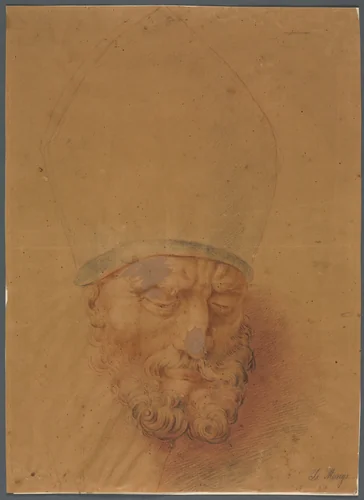
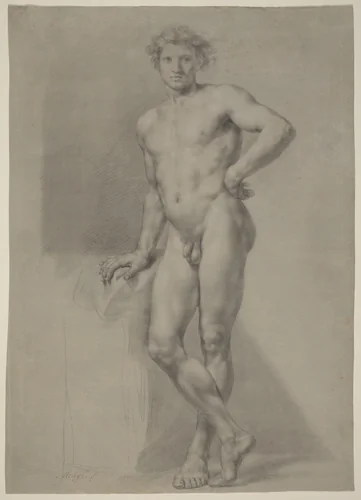
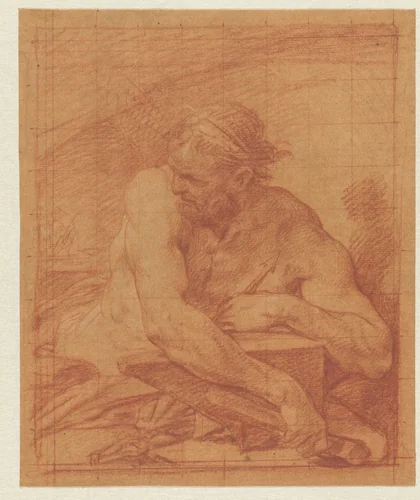
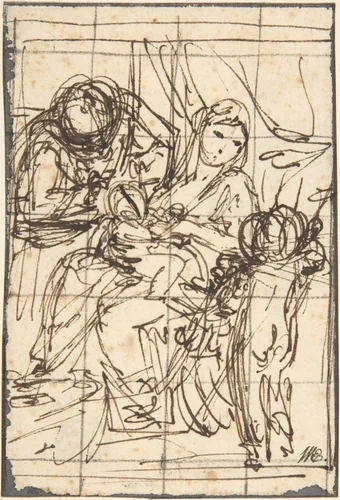
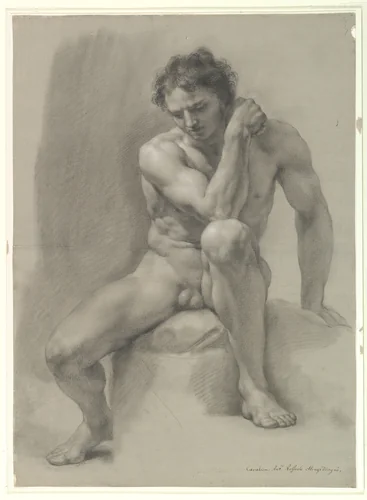
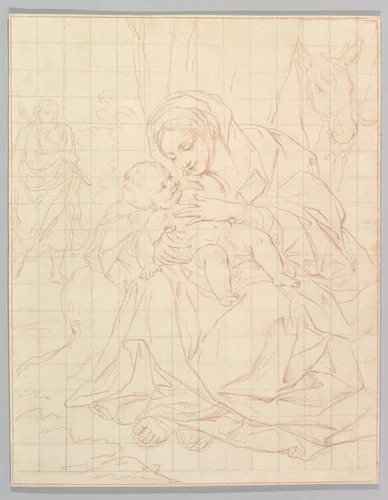
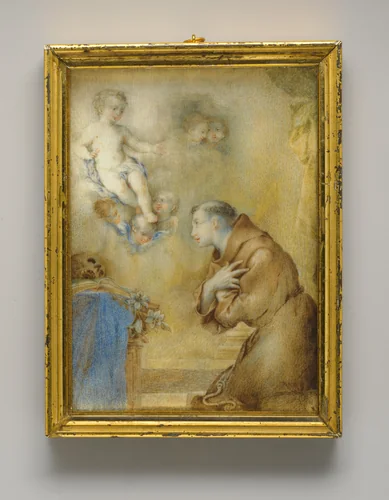
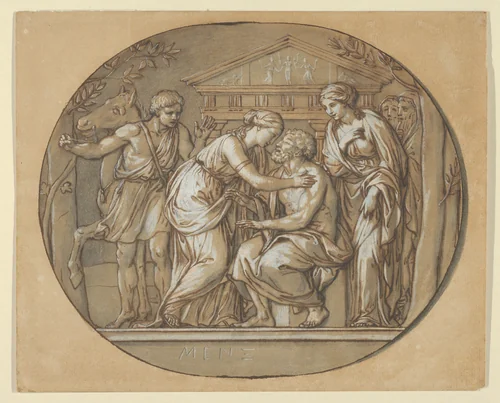
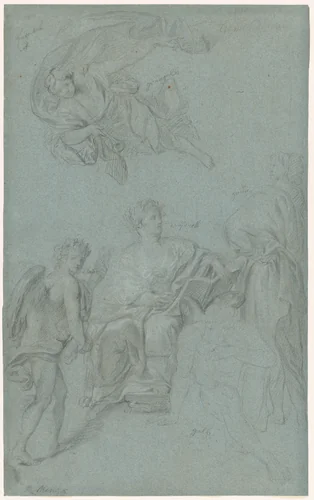
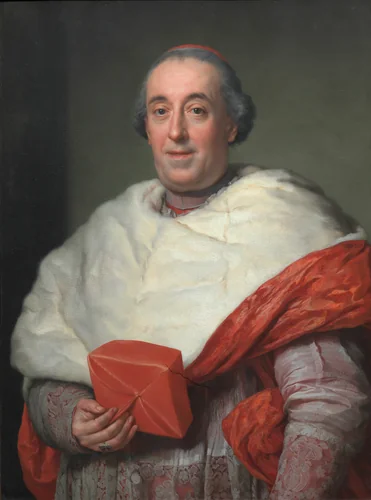
Mengs viewed drawing as the fundamental exercise of intellectual clarity. His rigorous focus on draughtsmanship, derived from intensive study of ancient sculpture and the figure, is evidenced by the substantial volume of his surviving preparatory work. Studies such as the anatomically precise Male Nude Study and detailed portraits like Head of a Bishop demonstrate his commitment to idealized form and precise structural clarity. Though his public persona was severe and scholarly, Mengs held a pragmatic disregard for historical purity: he was known to be exceptionally proficient at creating masterful forgeries of Old Masters, a talent that occasionally confused his own severe classical aesthetics with profitable deception.
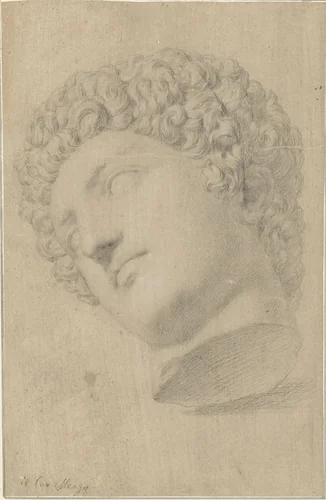
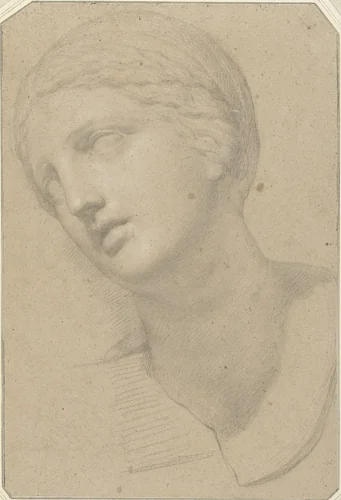
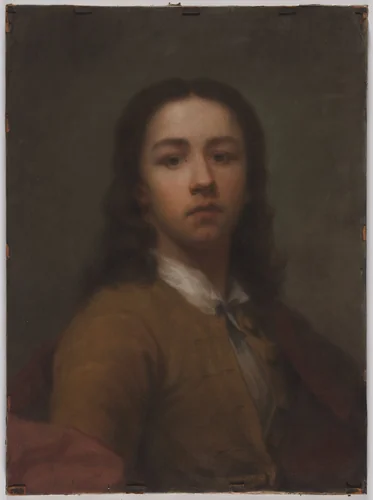
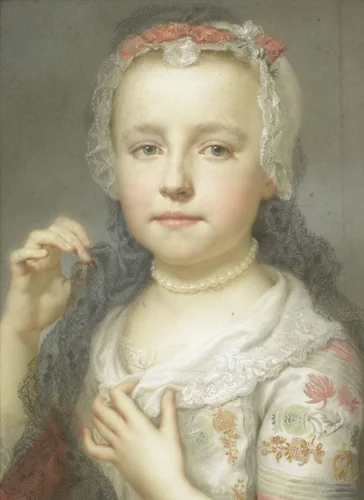
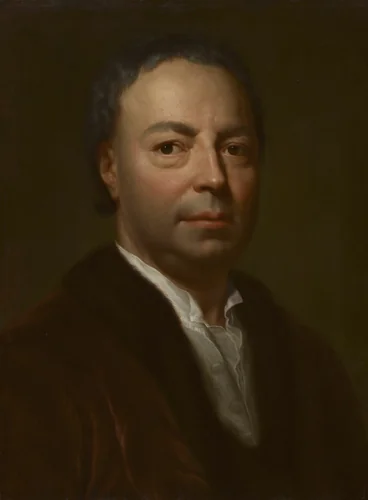
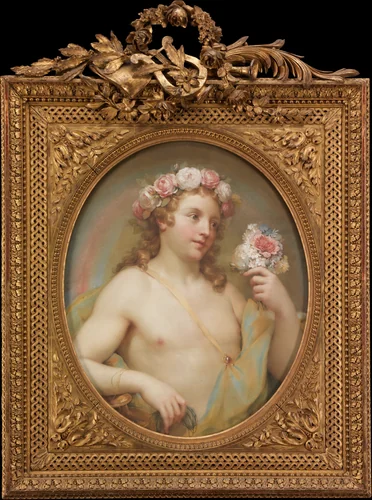
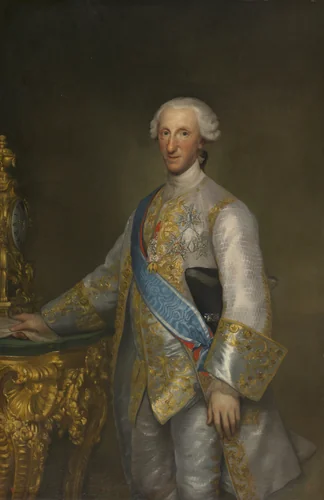
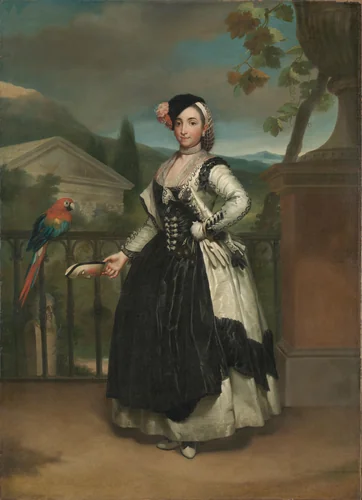
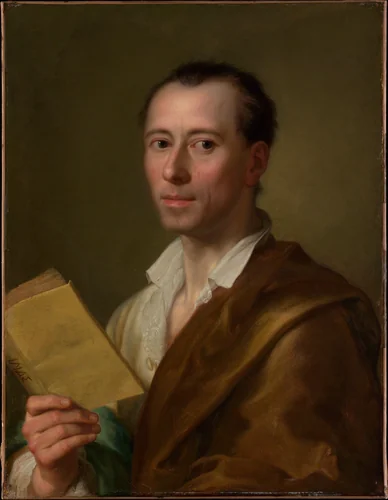
His influence extended across Europe, notably in Rome, where he served as a central figure in the nascent classical revival alongside his friend, the historian Johann Joachim Winckelmann. Although recognized for his ambitious frescoes and altarpieces, his legacy is preserved across media, including the powerful Anton Raphael Mengs paintings and sketches like Jongelingshoofd, van onderen gezien and Vrouwenhoofd.
Today, examples of Mengs’s museum-quality work, ranging from large compositions like Vulcanus to intimate figure drawings, are housed in major international repositories, including the Rijksmuseum, the Art Institute of Chicago, and the National Gallery of Art. Because of their historical and artistic weight, many of his most important works have entered the public domain, allowing global access to high-quality prints and downloadable artwork, thereby ensuring that Mengs’s foundational contribution to Neoclassicism remains widely studied.
Source: Wikipedia · CC BY-SA 4.0