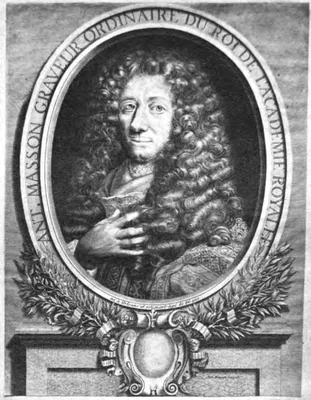
Antoine Masson
Antoine Masson (born Loury, near Orléans) stands as one of the most significant French printmakers of the mid-seventeenth century. While his early professional path included work as a painter, Masson’s enduring historical reputation rests almost entirely on his masterful handling of the burin and his commanding contribution to the art of line engraving. Active between 1636 and 1668, his precise and dynamic approach quickly established him as a leading figure in the Parisian print world. The consistent technical excellence of his output is evidenced by the inclusion of Antoine Masson prints in the permanent collections of prestigious institutions, including the National Gallery of Art and the Cleveland Museum of Art.
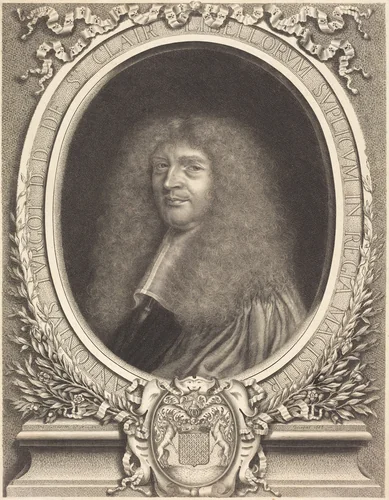
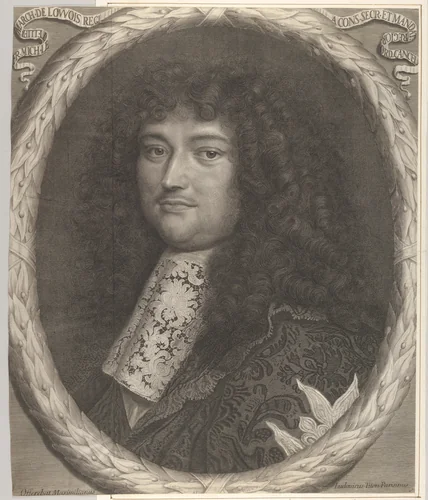
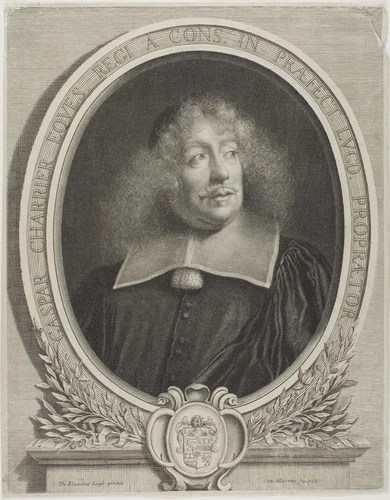
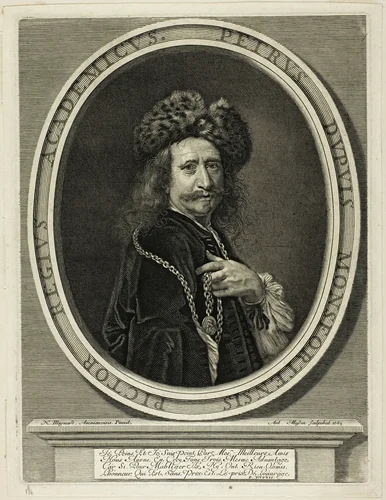
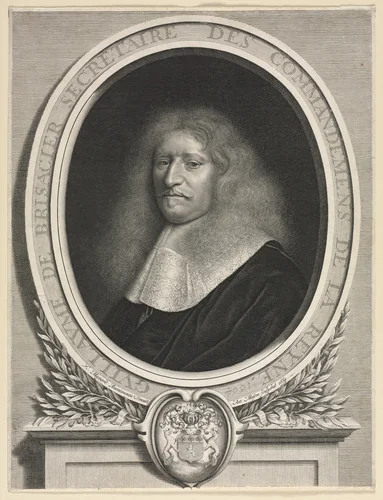
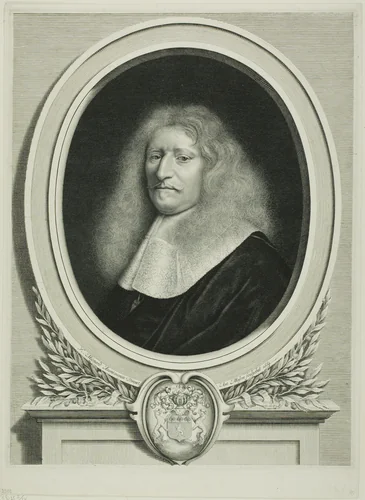
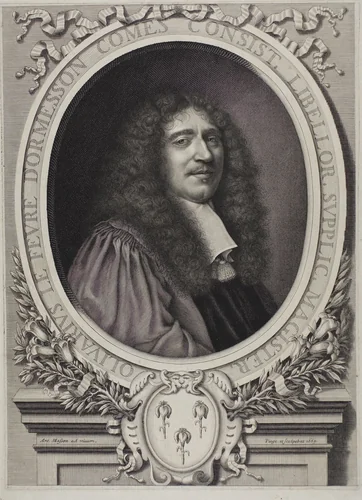
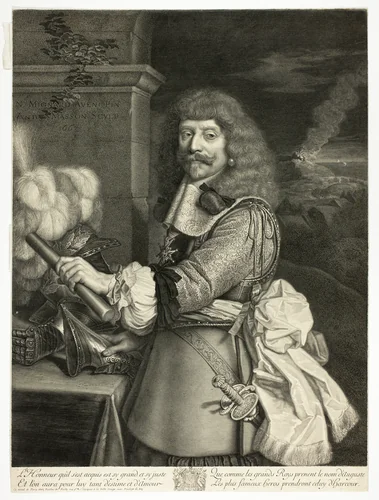
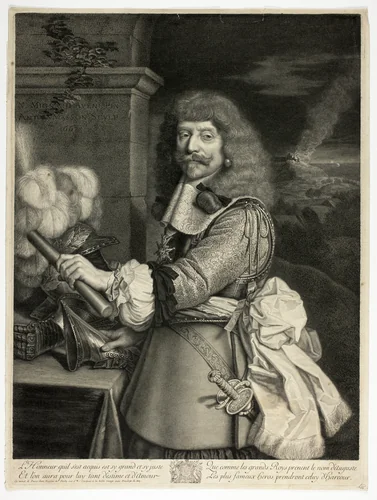
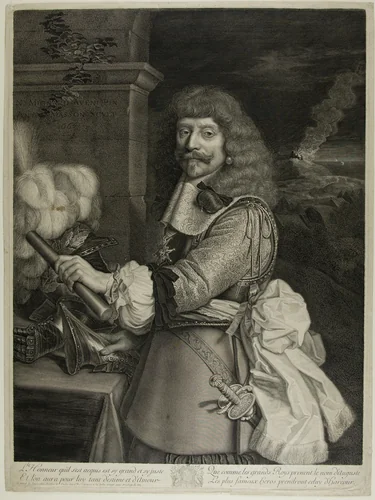
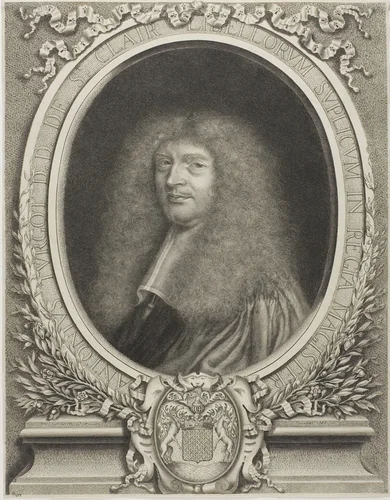
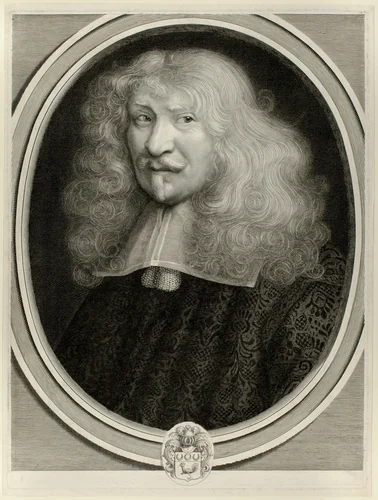
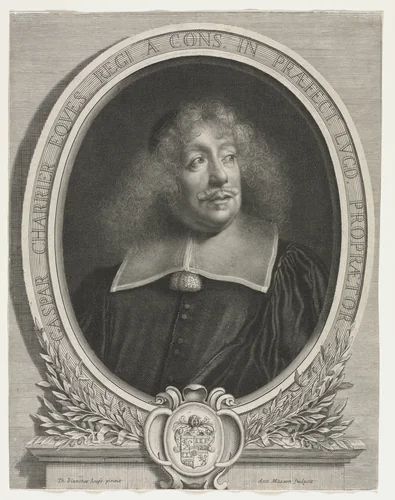
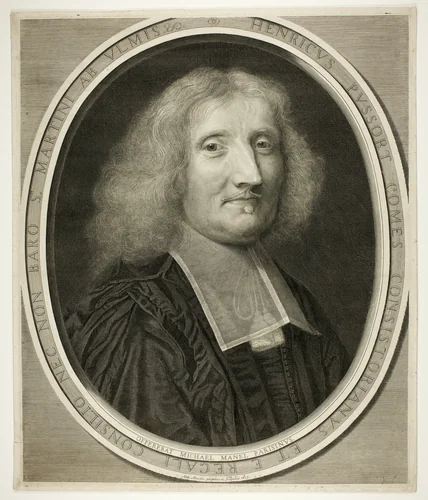
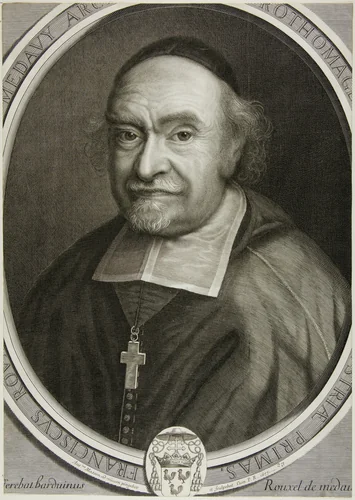
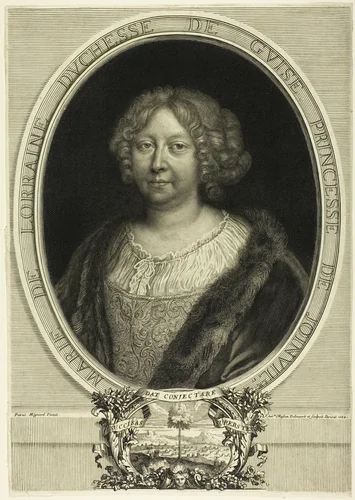
Masson’s known portfolio, totaling approximately fifteen documented prints, is characterized by a remarkable concentration on official and intellectual portraiture, capturing key figures surrounding the court and administration of Louis XIV. His talent lay in translating the volume and texture of his subjects onto the copper plate with striking fidelity. Masson excelled in rendering the subtle details of 17th-century fashion—from the heavy silk damask and lace of court attire to the precise texture of human hair—elevating these commemorative images beyond mere reproduction.
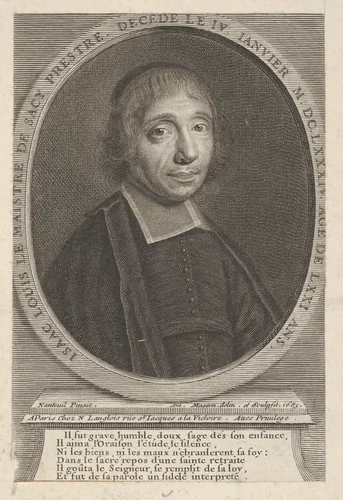
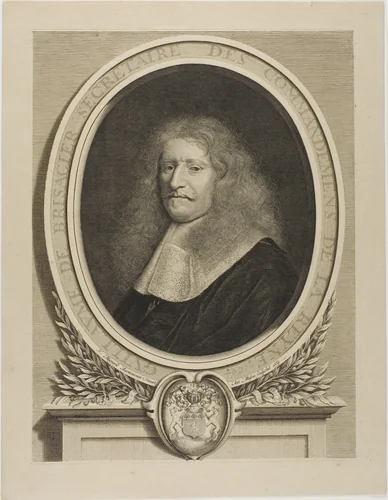
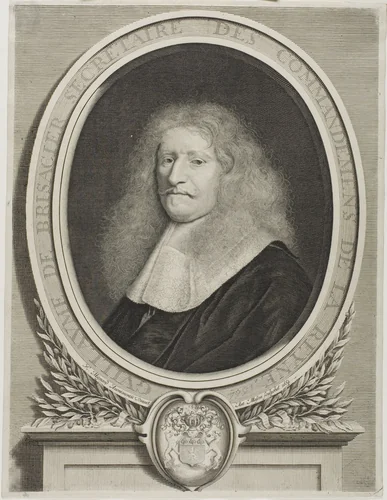
Notable examples of his political portraiture include the powerful representation of the influential war minister François-Michel Le Tellier, marquis de Louvois, and the nuanced likeness of Gaspar Charrier, King's Secretary. Masson demonstrated an unusual psychological sensitivity to the sitter’s demeanor, making figures such as the theologian Louis-Isaac Lemaistre de Sacy feel immediately present and authoritative.
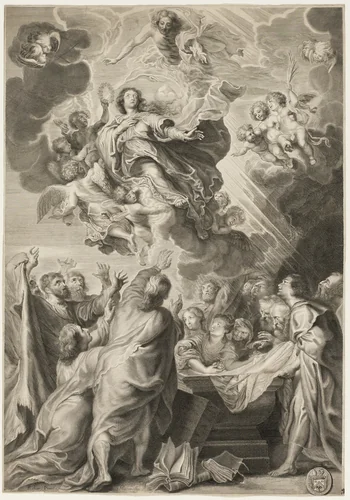
It is perhaps this very restraint—a career spanning three decades yielding such a focused and relatively small number of known works—that speaks to the consistent demand for high-quality prints and the seriousness of Masson's practice. Beyond his official commissions, Masson also executed religious subjects, exemplified by the dramatic composition of the Assumption of the Virgin. As much of this historically significant material is now available in the public domain, Masson’s formidable skill in capturing character through line work remains accessible as downloadable artwork for scholarly study and public appreciation.
Source: Wikipedia · CC BY-SA 4.0