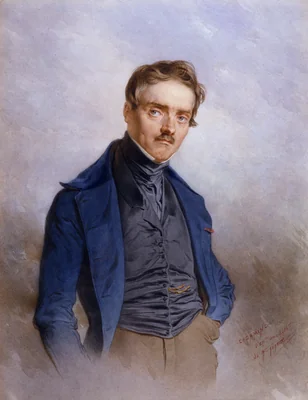
Antoine-Louis Barye
Antoine-Louis Barye (1796-1875) remains the preeminent French sculptor of the Romantic period dedicated almost exclusively to the depiction of animals. While Romanticism often sought emotional extremes in history and literature, Barye located equivalent dramatic tension and expressive power in the animal kingdom, thereby defining the specialized role of the animalier, or animal sculptor, in modern art.
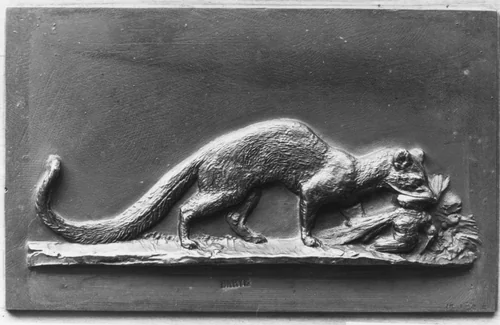
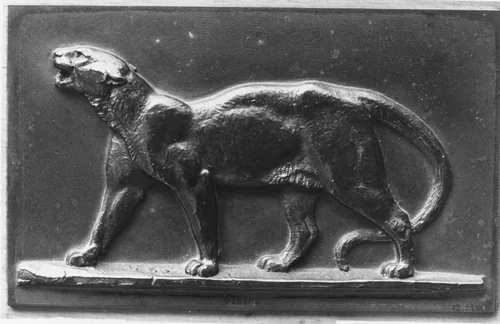
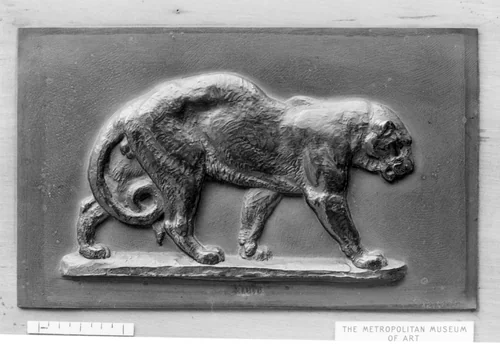
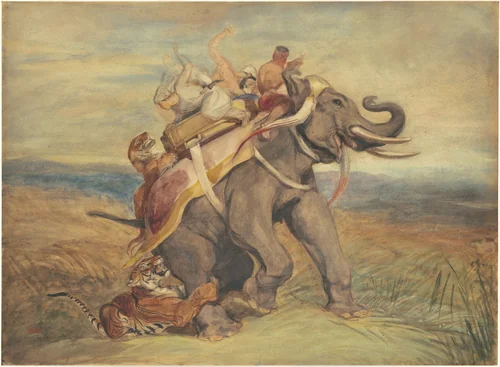
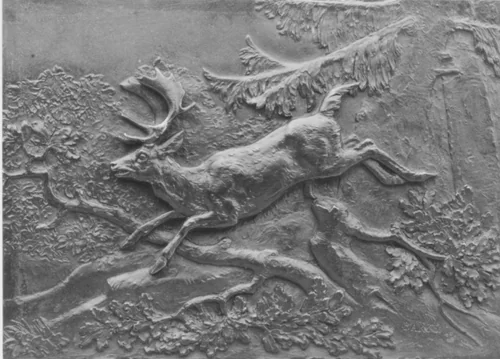
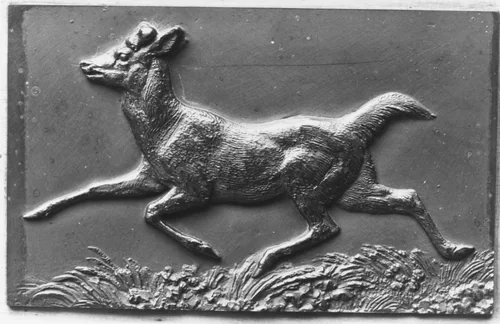
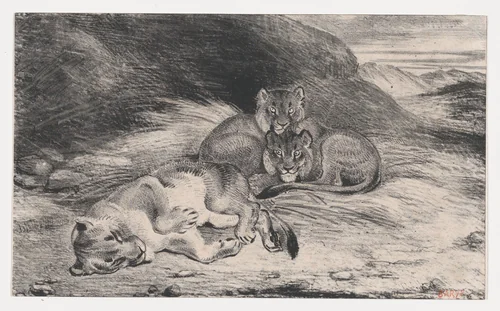
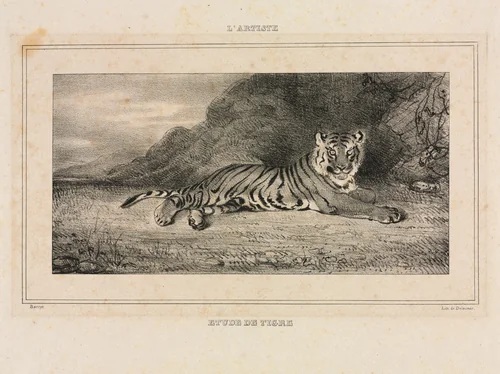
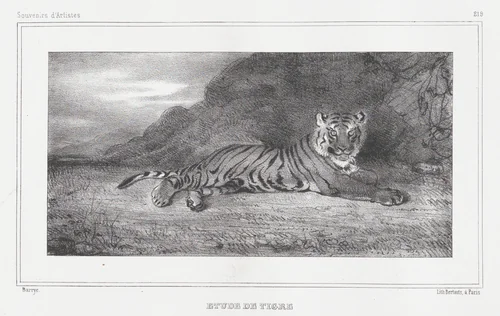
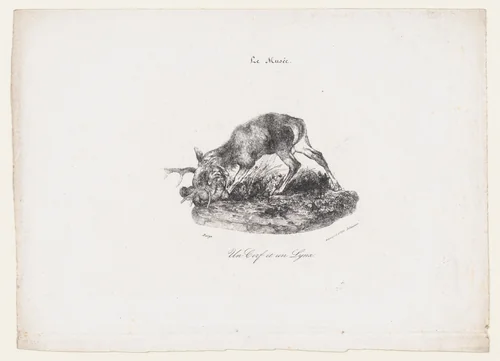
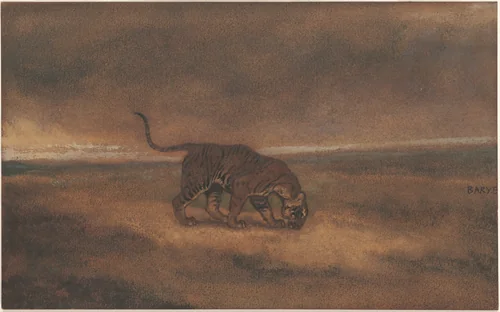
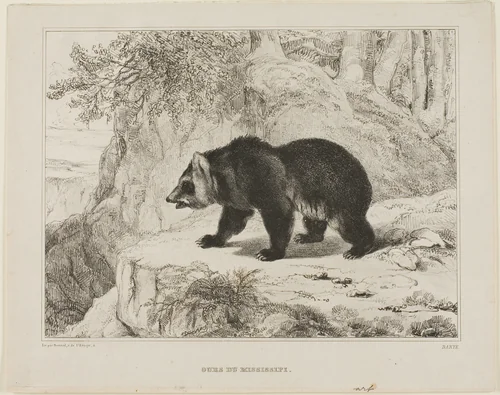
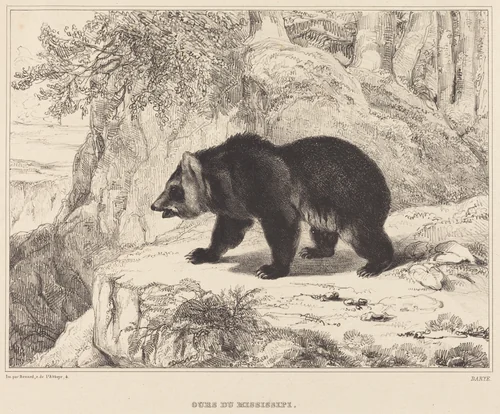
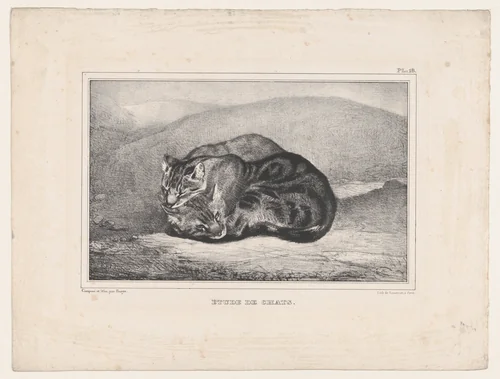
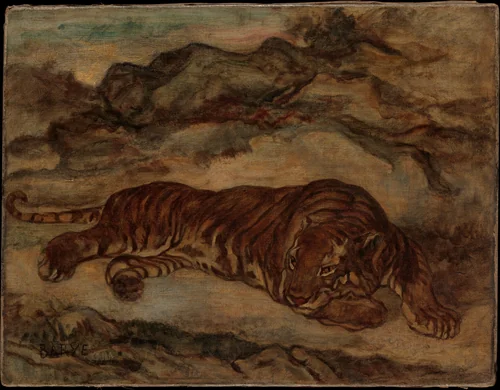
His rigorous approach to form set him apart from his contemporaries. Barye believed that dramatic power required factual underpinning, undertaking detailed anatomical studies and frequenting the Parisian zoo, the Jardin des Plantes. Working directly from observation and dissection, he ensured that even his most powerful compositions possessed undeniable biological authority. This approach lends a palpable weight and authenticity to his sketches, such as Study of a Tiger, and to complex compositions where survival is the central theme.
Barye’s sculptures and drawings captured the intense, primal moments of conflict and repose. Dynamic, visceral bronzes, exemplified by groups like Bear Killing Bull, conveyed a raw struggle for survival, a subject perfectly suited to the era's fascination with the sublime power of unbridled nature. Yet, his mastery extended beyond dynamic clashes; the quiet, massive musculature demonstrated in studies such as Bison Lying Down shows a profound understanding of naturalistic posture and latent power.
Barye’s initial commitment to this specialized niche often met resistance from the academic Salon, which traditionally favored humanistic historical subjects over zoological ones. His commitment, however, was unwavering, and he eventually found considerable success among private collectors seeking sophisticated, museum-quality representations of wildlife. This commitment to realism and anatomical precision elevated the animalier genre from mere decorative art to a significant field of Romantic investigation. His legacy was directly continued by his son and student, Alfred Barye, ensuring the continuity of this distinctive tradition. Today, Barye’s original works, including numerous highly detailed drawings and prints, are key features of collections such as the Metropolitan Museum of Art and the National Gallery of Art. Thanks to the designation of these foundational works in the public domain, enthusiasts can easily access downloadable artwork and high-quality prints, continuing to appreciate the raw vitality Barye brought to nineteenth-century sculpture.
Source: Wikipedia · CC BY-SA 4.0