Antoine-Jean Gros
Antoine-Jean Gros (1771-1830) was a leading French painter of the Empire period, whose historical and battle scenes proved foundational in the transition from strict Neoclassicism toward the dramatic emotionalism of Romanticism. His significance is underscored by his official recognition in 1824, when he was granted the title of Baron Gros, affirming his stature within the institutional hierarchy of French art.
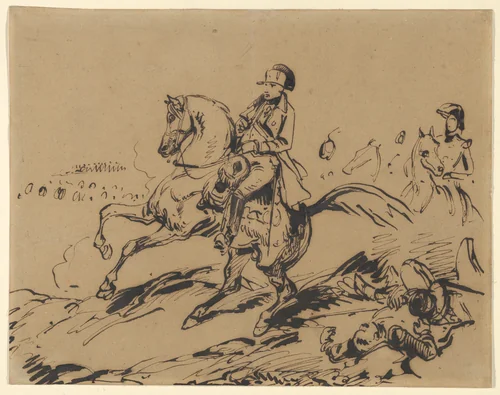
Trained in the studio of Jacques-Louis David, Gros quickly mastered the requisite classical drawing and structured composition. However, unlike his austere teacher, Gros embraced the dynamism and color afforded by contemporary history, particularly the military exploits of Napoleon. This shift provided a necessary bridge between the static ideals of the late eighteenth century and the vibrant narrative urgency of the new century.
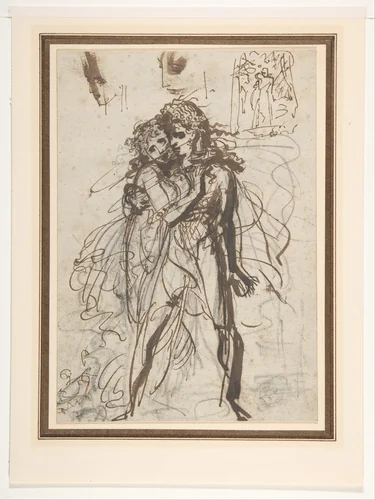
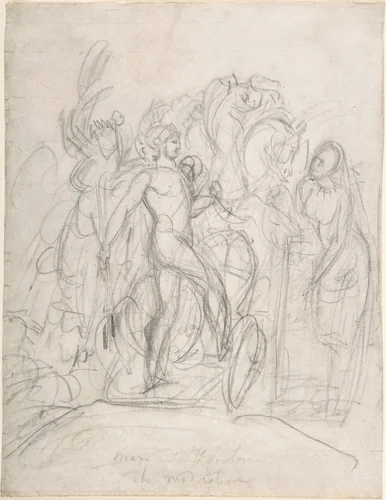
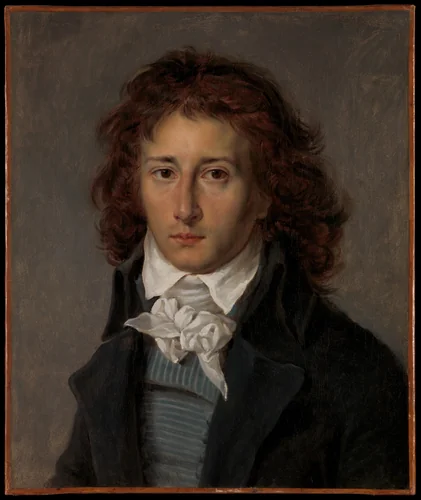
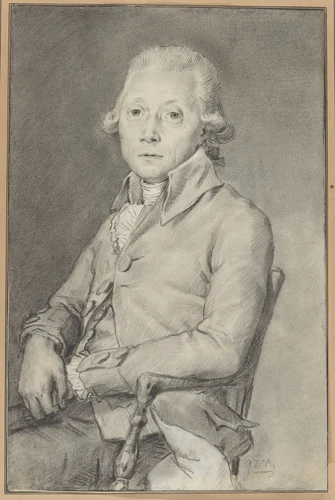
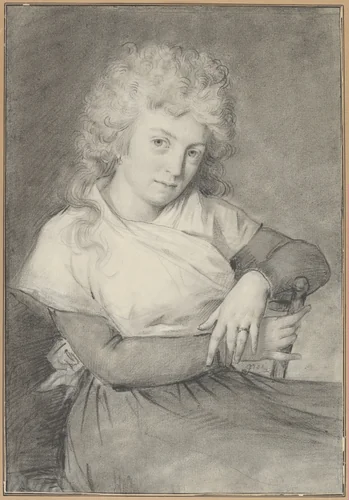
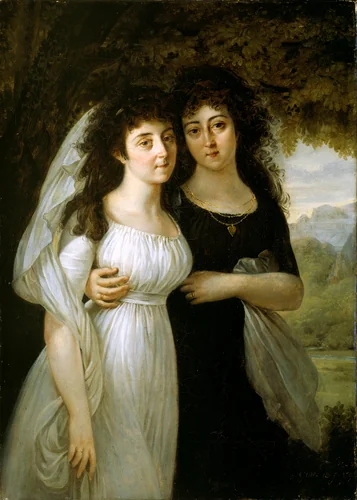
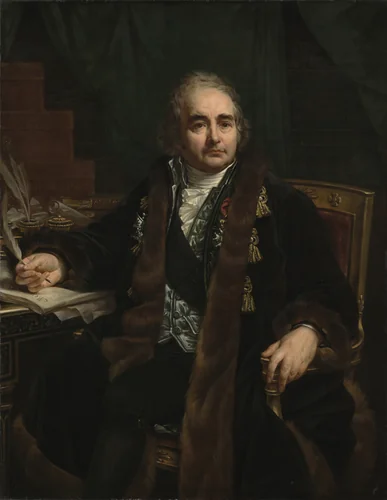
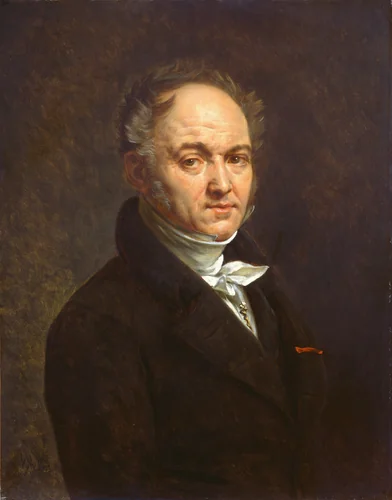
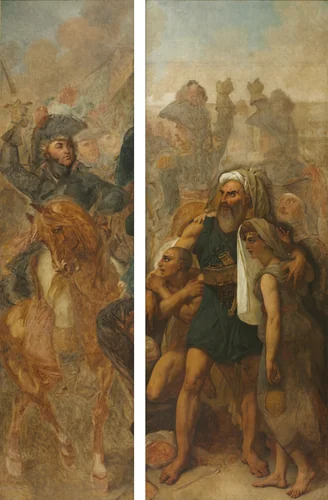
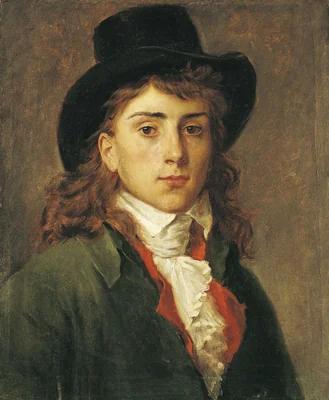
Gros’s early proficiency is demonstrated across a range of subjects and media, from the close observation required for portraiture, exemplified by works such as Portrait of a Man and the dedicated study François Gérard (1770–1837), later Baron Gérard, to allegorical designs like Mars Crowned by Victory and Listening to Moderation. These contrasting pieces reveal an artist adept at both intimate observation and monumental history painting. Yet, perhaps his most enduring innovation was the injection of raw, vivid energy into works previously reserved for controlled academic execution. The immediacy he brought to his scenes profoundly influenced artists like Géricault and Delacroix.
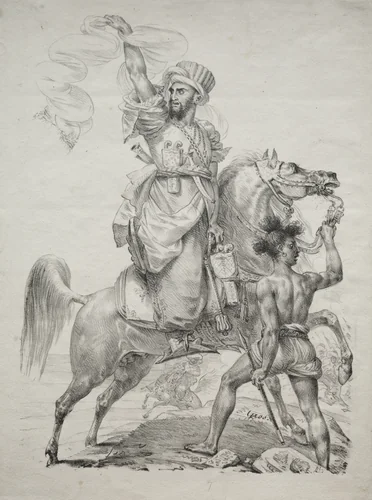
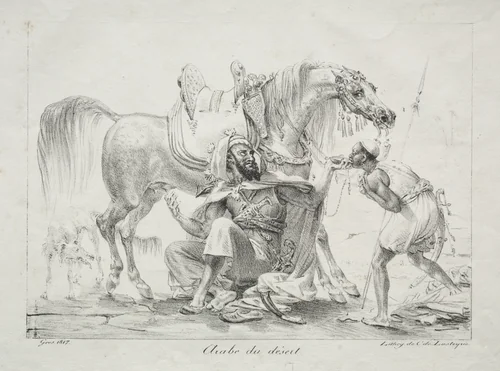
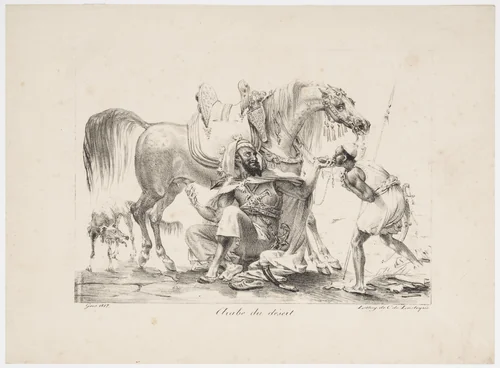
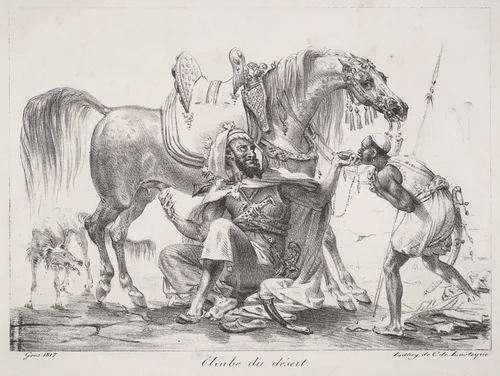
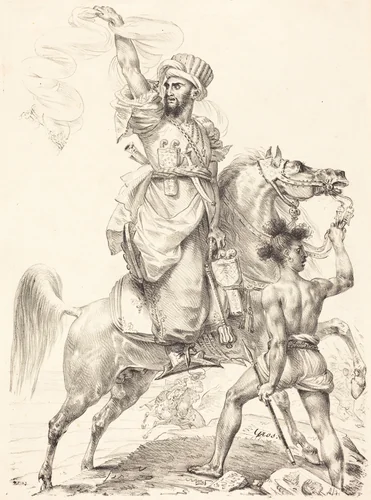
The sheer dramatic scale of the most famous Antoine-Jean Gros paintings has ensured their lasting visibility, with major examples held in prominent collections worldwide, including the National Gallery of Art and the Metropolitan Museum of Art. His rigorous attention to form and subject matter maintained his status in the academic establishment, even as his expressive palette pushed the boundaries of convention. Today, many of the finished studies and preparatory drawings, along with detailed Antoine-Jean Gros prints, reside in the public domain, allowing institutions and private collectors alike to access high-quality prints for research and educational purposes.
Source: Wikipedia · CC BY-SA 4.0