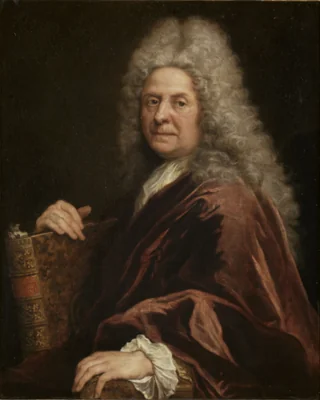
Antoine Coypel
Antoine Coypel (1661-1722) was a dominant institutional and artistic force in French court art, presiding over the shift from the rigid classicism of Louis XIV’s era toward the more emotional, dynamic styles of the Regency period. A versatile practitioner, he excelled as a painter, pastellist, engraver, decorative designer, and draughtsman, swiftly ascending the official hierarchy of the Parisian art world. His career trajectory was secured early through his appointment as court painter, first to Philippe I, Duke of Orléans, and subsequently to King Louis XV himself.
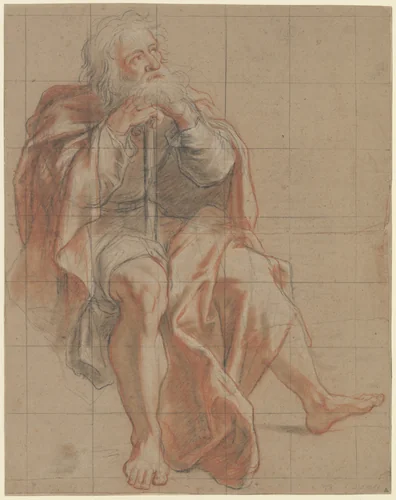
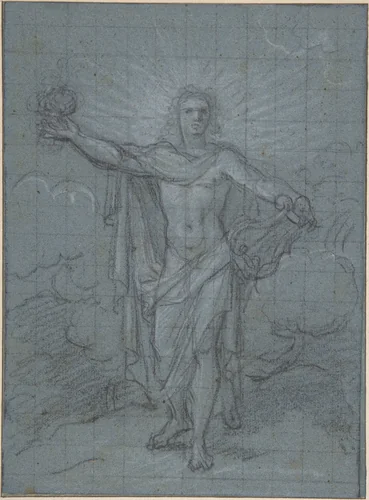
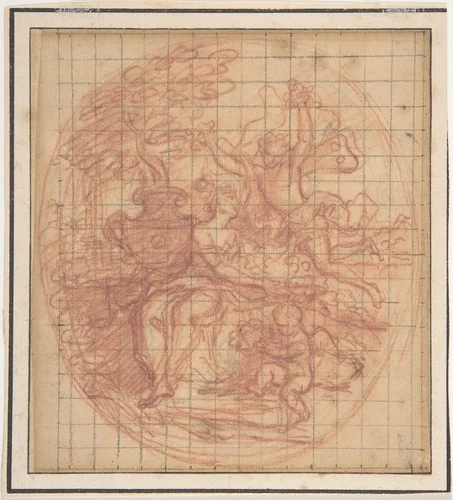
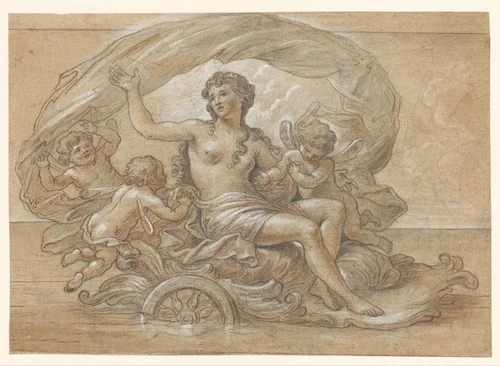
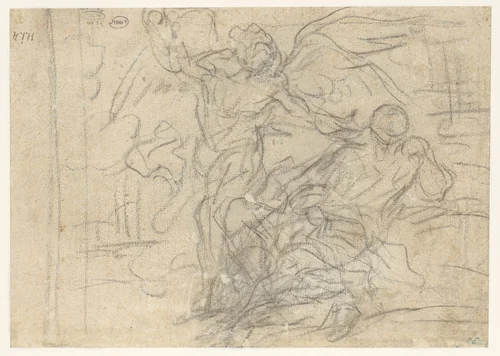
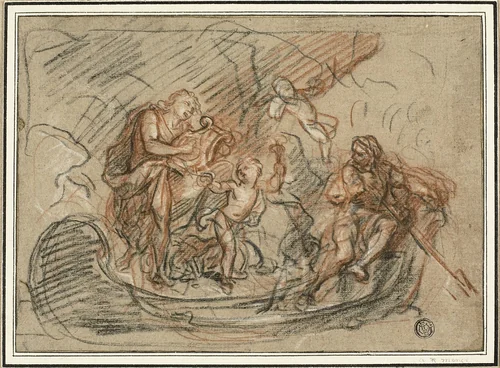
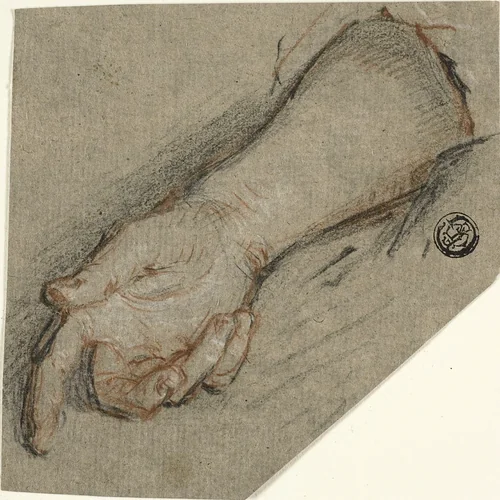
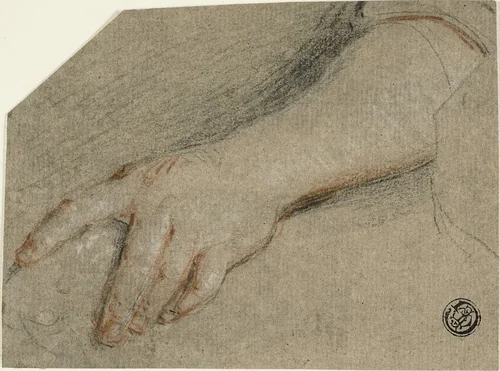
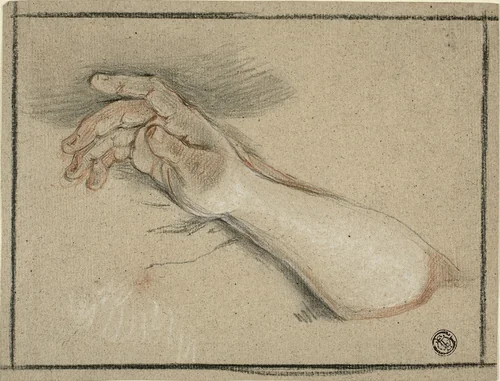
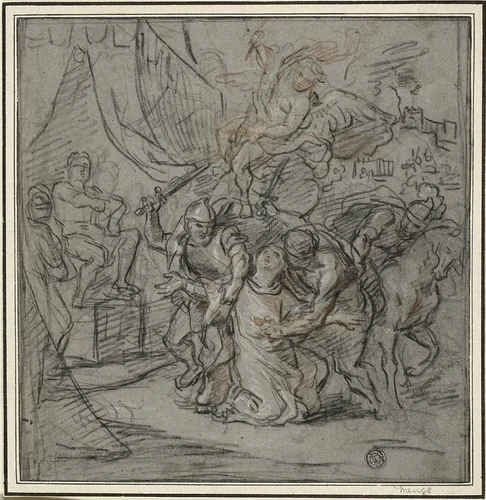
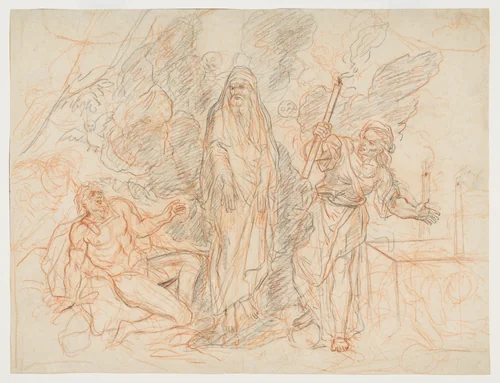
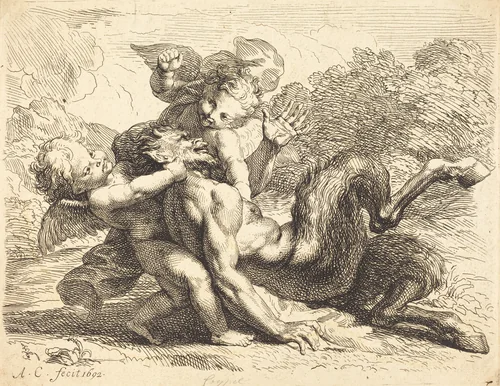
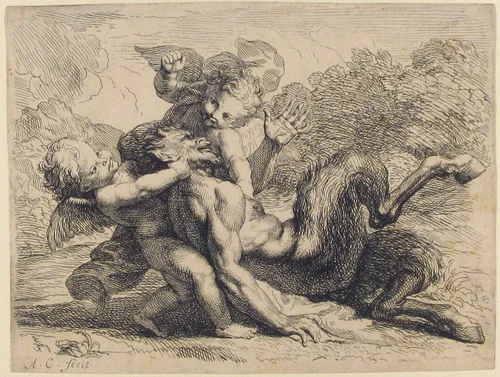
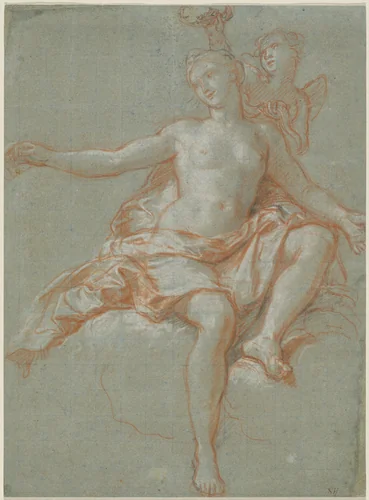
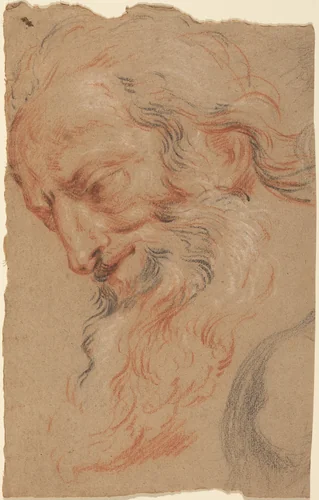
Coypel demonstrated comprehensive technical mastery across a breadth of subject matter, including ambitious history paintings, biblical scenes (such as the drawing Petrus in de gevangenis door de engel bezocht (?)), mythological narratives like Galathea op haar zeewagen, portraiture, and detailed genre scenes. His work is recognized for its theatrical lighting and fluid composition, blending the gravitas of the Italian High Renaissance with the emerging Parisian taste for vivacity. His preparatory sketches, like the striking study Seated Old Man Holding a Staff, reveal a sophisticated handling of line that was crucial to his success in executing large-scale decorative programs.
His influence extended critically beyond the creation of art into its administration and pedagogy. Coypel rose to become Director of the Académie Royale, where he shaped the training and standards for the next generation of French artists. Perhaps his most singular achievement was his elevation to Garde des tableaux et dessins du roi, a unique function that combined the roles of chief curator and director of the entire royal art collection. This responsibility, which necessitated acute connoisseurship and management skill, directly preceded his elevation to the nobility by the King. This trajectory suggests that in the court of Louis XV, the management and presentation of art were deemed as vital to national prestige as its original creation.
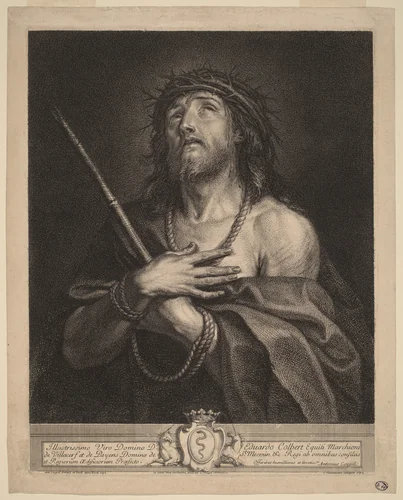
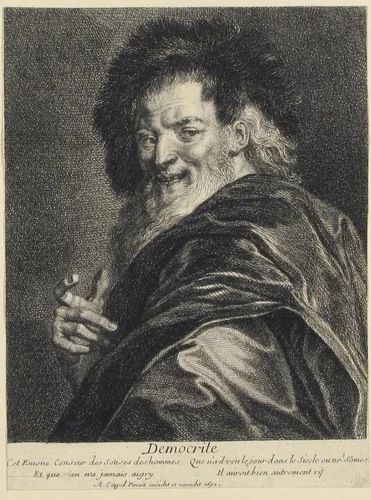
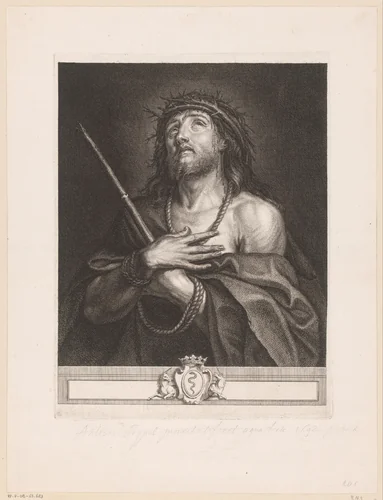
Coypel’s prolific output, including both significant Antoine Coypel paintings and numerous engravings, ensured wide dissemination of his style. Today, examples of his draftsmanship are preserved in major international collections, including the Rijksmuseum and the National Gallery of Art. Thanks to the nature of graphic art and his status, many of his studies and high-quality prints are now in the public domain, offering access to this critical figure in late Baroque French art.
Source: Wikipedia · CC BY-SA 4.0