Antoine Berjon
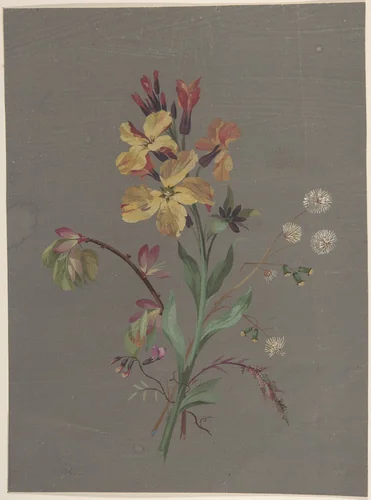
Antoine Berjon (1754-1839) was a pivotal French painter and designer whose meticulous focus on botanical subjects established him as one of the most important flower painters operating in the early 19th century. Active professionally between the 1770s and 1805, Berjon’s career bridged the transition from the luxuriant naturalism of the late 18th century to the sophisticated precision demanded by the emerging Neoclassical sensibility. His contributions were instrumental in elevating still life, particularly floral studies, to a genre capable of the highest academic execution.
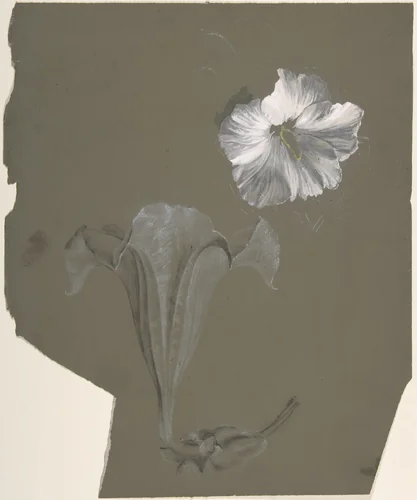
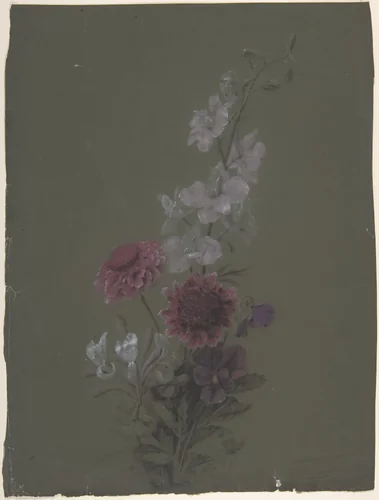
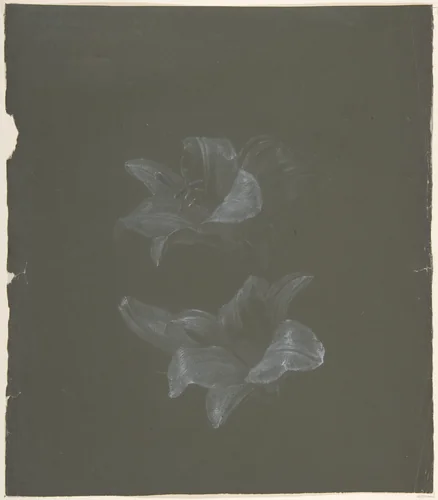
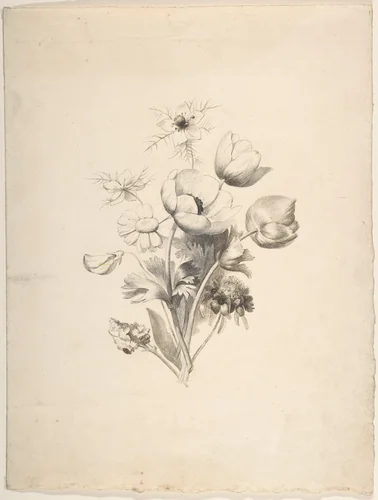
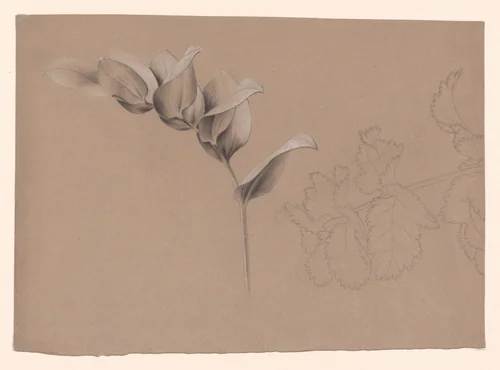
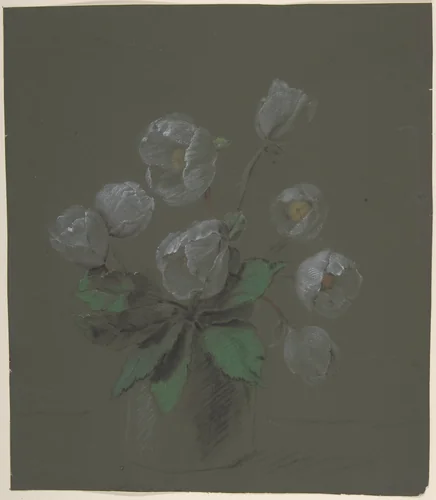
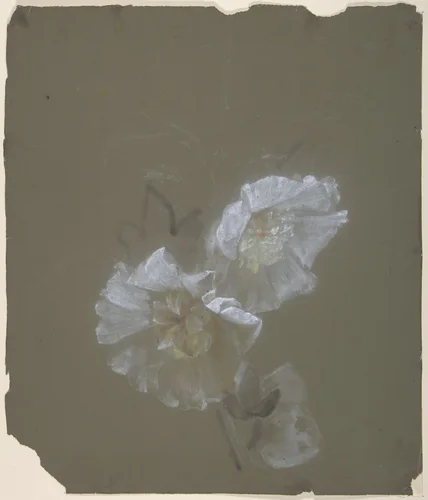
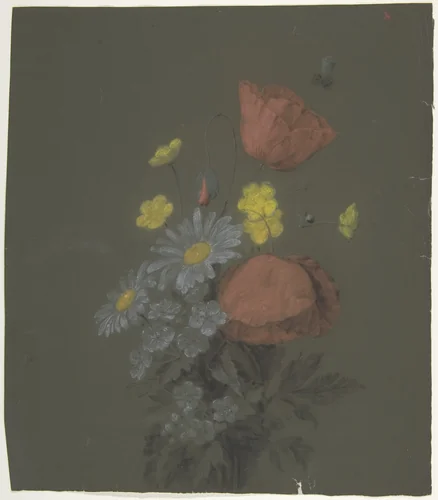
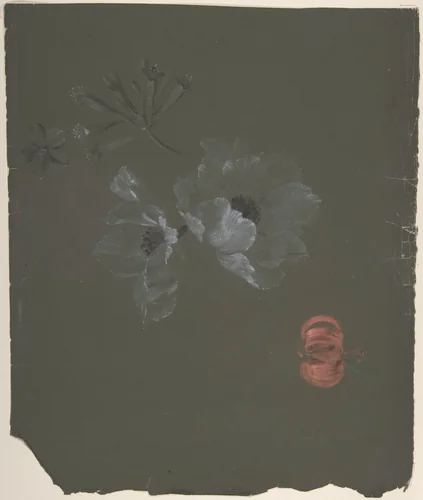
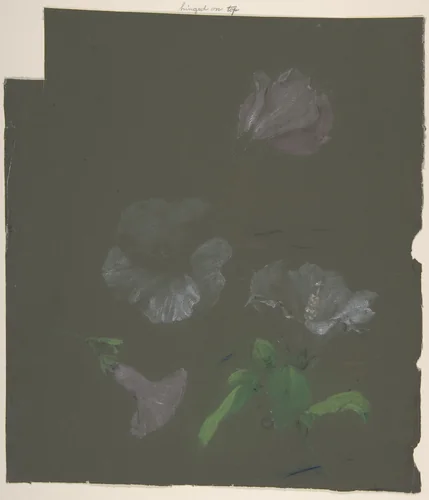
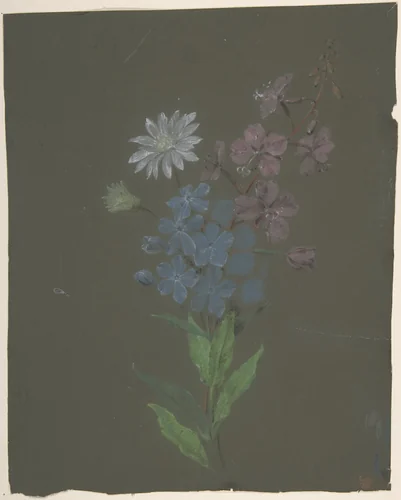
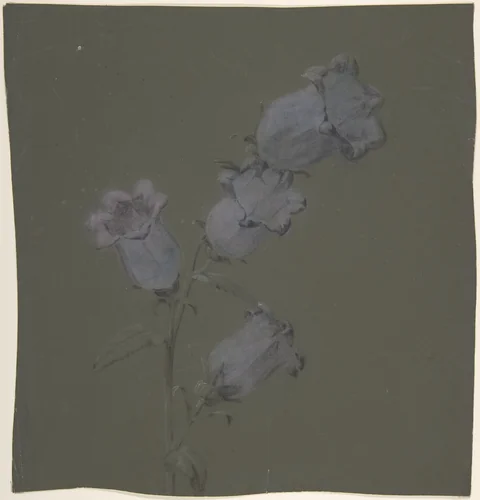
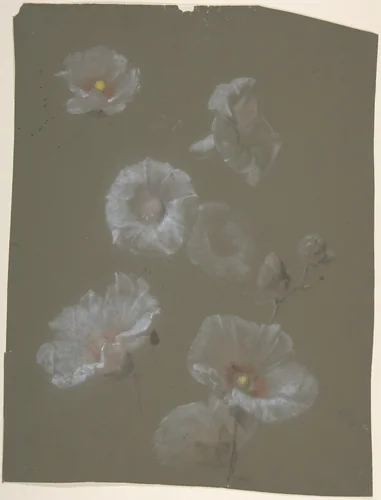
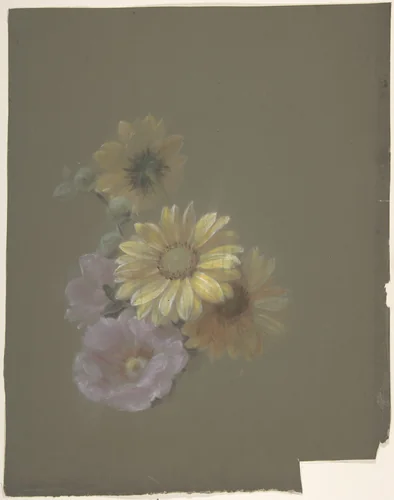
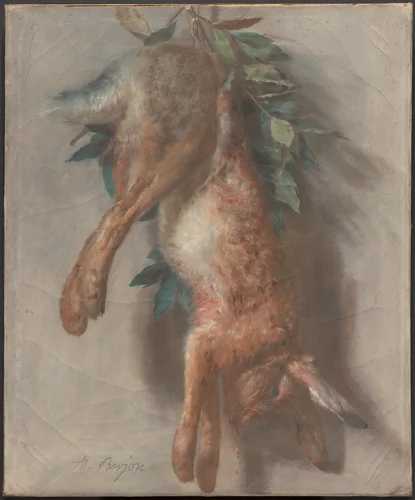
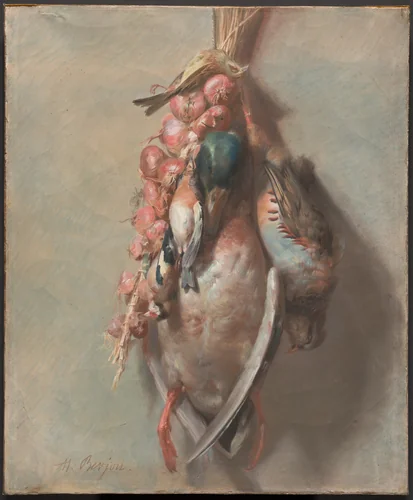
Berjon demonstrated exceptional versatility, successfully handling a broad spectrum of media throughout his career, including oil on canvas, delicate pastel work, watercolor, and ink drawings. This command allowed him to capture the textures of petals and leaves with both scientific accuracy and profound artistic grace. His surviving output, particularly the fifteen known drawings held in institutional collections, are characterized by clean outlines and an exacting attention to internal structure and composition. Works such as A Study of Two White Lilies exemplify his ability to isolate and monumentalize botanical forms, transforming simple specimens into objects of studied, almost architectural observation.
While we celebrate the independence of his best Antoine Berjon paintings, it is fascinating to note that his initial training and primary income were derived from his rigorous work as a designer, collaborating frequently with textile and decorative arts firms in Lyon. This background in pattern generation clearly informed his purely artistic output, lending his compositions a formal rigidity and compositional rhythm often reserved for high-end objets d'art.
Berjon’s legacy is preserved in major institutions across the globe; key examples of his oeuvre are safeguarded by the Metropolitan Museum of Art and the National Gallery of Art, ensuring continued access for scholarly research. Fortunately, much of Berjon’s foundational work is now considered public domain, allowing cultural institutions to offer museum-quality reproductions and high-quality prints, often available as downloadable artwork for enthusiasts worldwide.
Source: Wikipedia · CC BY-SA 4.0