Anthonie Waterloo
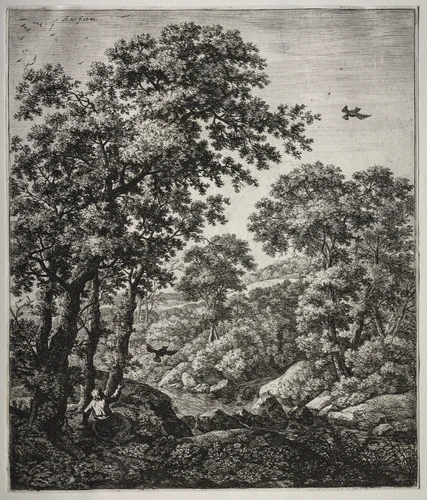
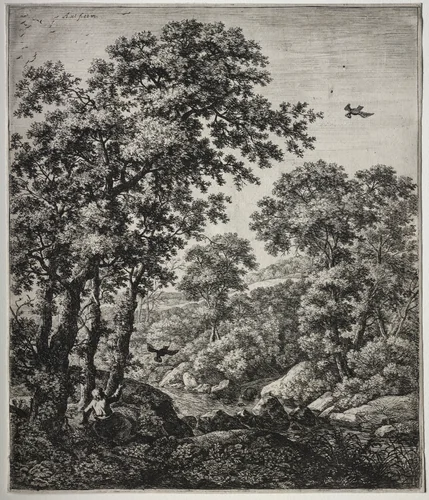
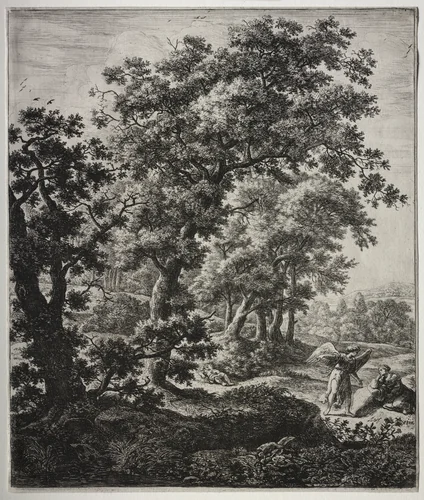
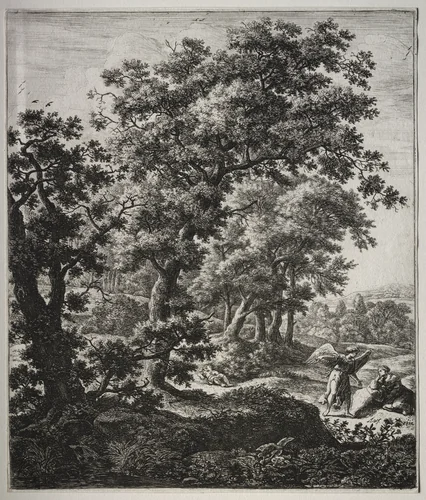
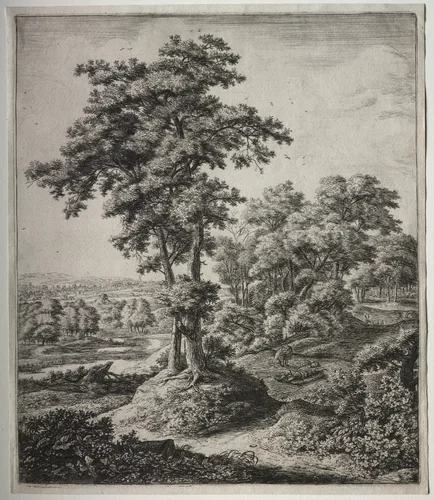
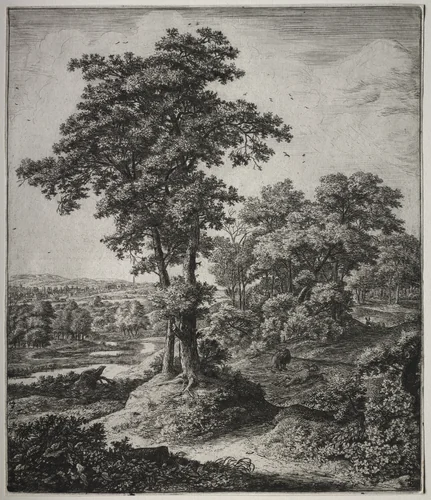
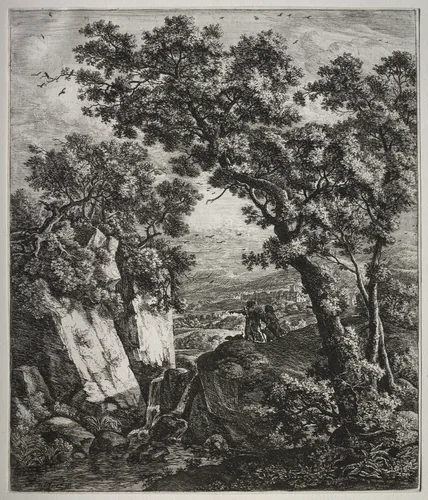
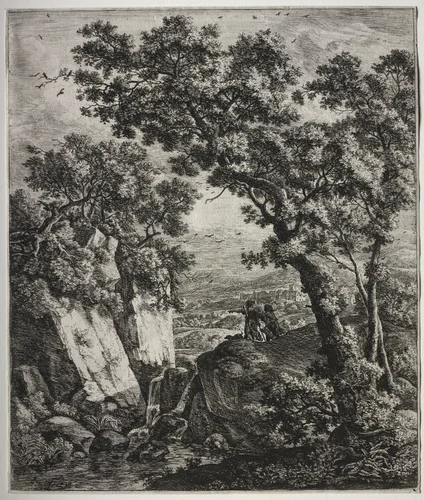
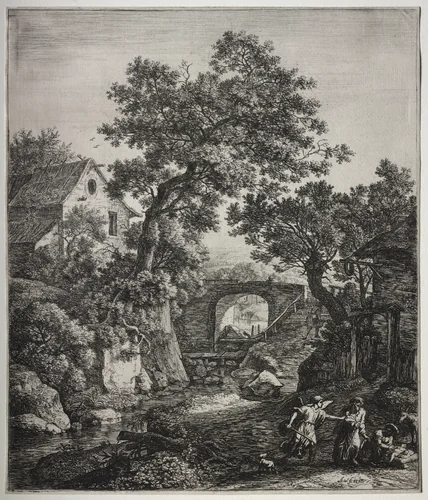
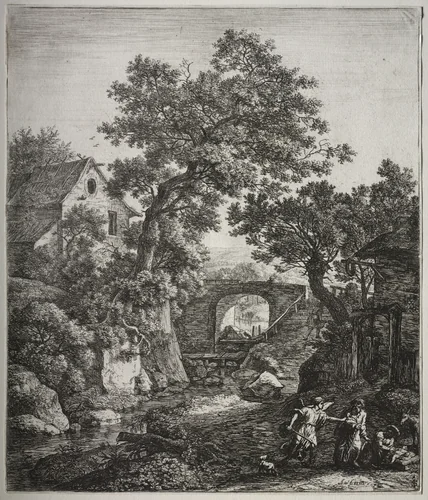
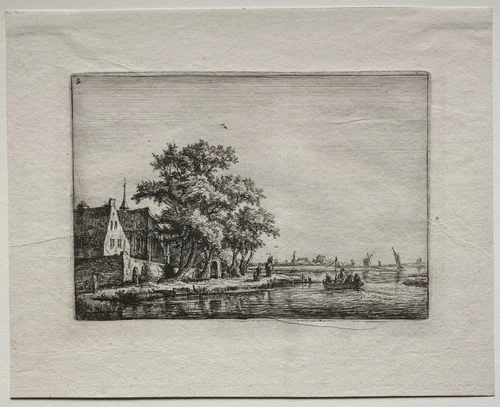
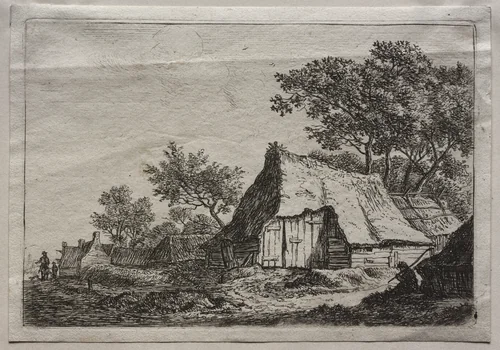
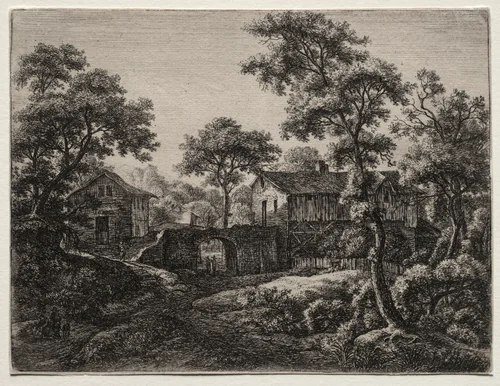
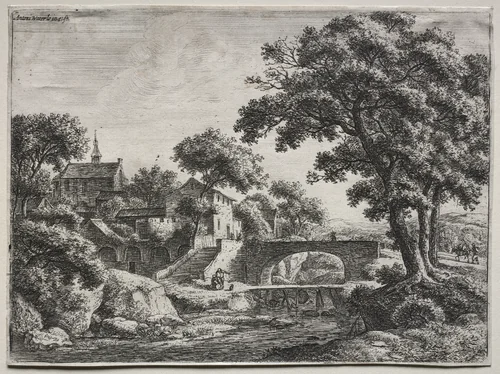
Anthonie Waterloo stands as a foundational Dutch Golden Age landscape painter whose enduring influence is rooted in his prolific and technically brilliant output as a printmaker. Active during a period that saw the dramatic flourishing of Dutch graphic arts, Waterloo specialized in etching highly detailed, often dense, woodland scenes, effectively cementing a subgenre known for its evocative atmosphere and remarkable psychological depth.
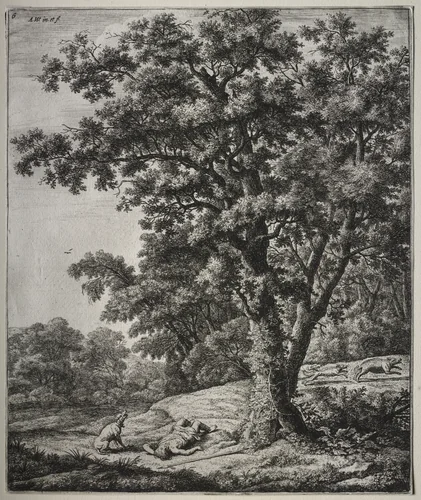
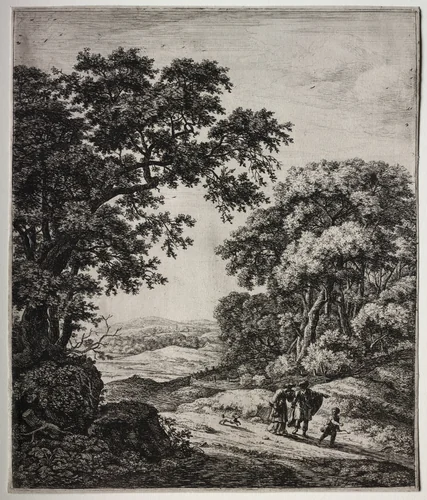
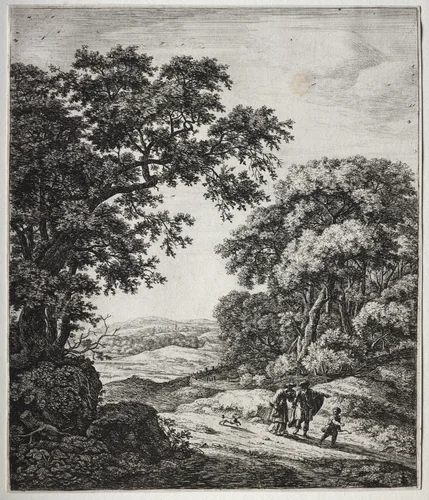
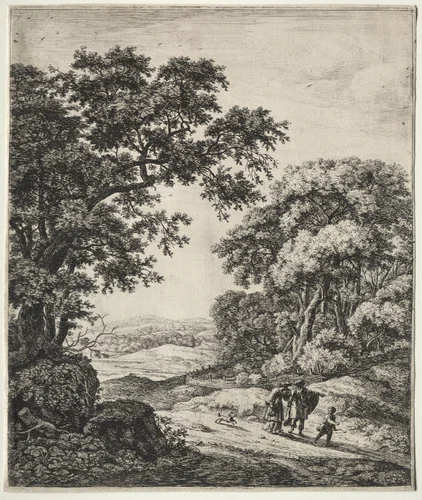
Waterloo’s mastery lay in his capacity to translate the varied textures of the natural world onto copperplate, perfecting the use of deep shadow and varied line work to convey the texture of bark, moss, and tangled foliage. While many of his approximately fifteen known prints focus purely on the unpopulated forest interior, his most complex works successfully integrate classical narratives into these dramatic natural settings. Series such as the Six Mythological Scenes demonstrate this blend, translating epic poems into profoundly rooted Northern European vistas. The series includes evocative scenes like Landscape with Apollo and Daphne and Landscape with Alpheus and Arethusa, where the drama of metamorphosis and pursuit unfolds beneath deep shadows cast by ancient trees.
Waterloo’s detailed, atmospheric etchings were highly sought after during his lifetime and continued to circulate widely throughout the 17th and 18th centuries, serving as essential study materials for aspiring printmakers. His command of composition and light-dark contrasts ensures his enduring place among the period’s most celebrated graphic artists. One enduring observation regarding Waterloo’s oeuvre is his fierce consistency; unlike many contemporaries who experimented across mediums, he seemed fundamentally dedicated to mastering the etched woodland, seldom straying from his signature subject matter.
Today, the foundational importance of Anthonie Waterloo prints is recognized globally, with collections held in the National Gallery of Art, the Metropolitan Museum of Art, and the Art Institute of Chicago. For those studying the evolution of etching and the transition from ideal to naturalistic landscape, the opportunity to view these museum-quality reproductions remains significant. Key works, including Landscape with Mercury and Argus and Venus and Adonis, are recognized as essential contributions to the history of graphic arts and are frequently available as downloadable artwork, ensuring Waterloo’s powerful vision of the Golden Age forest remains accessible to researchers and enthusiasts alike.
Source: Wikipedia · CC BY-SA 4.0