Anson Dickinson
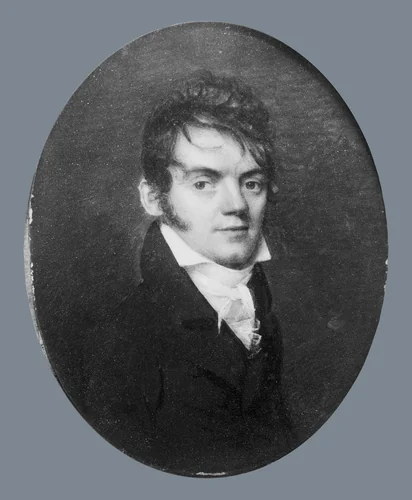
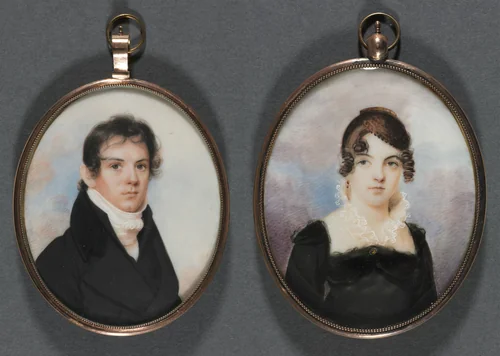
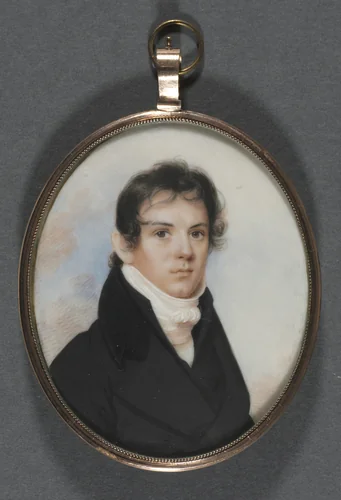
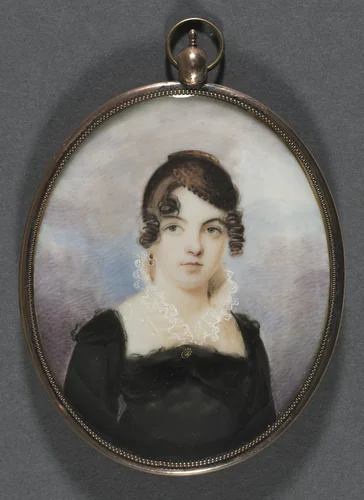
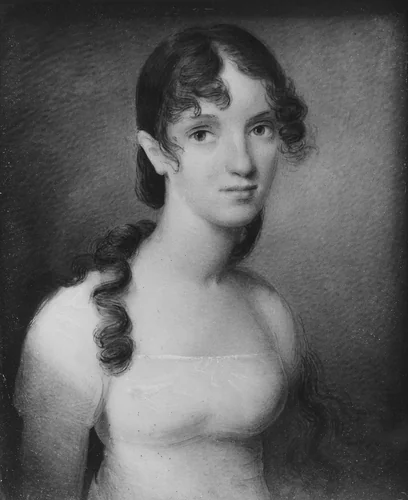
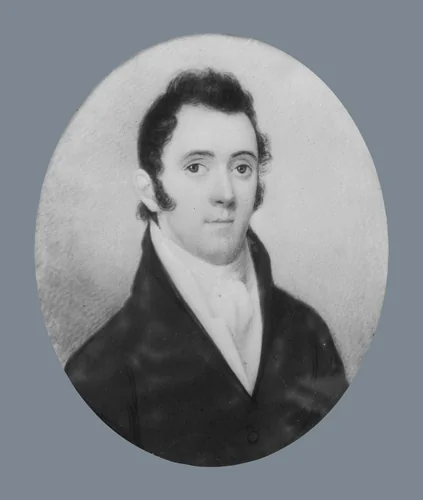
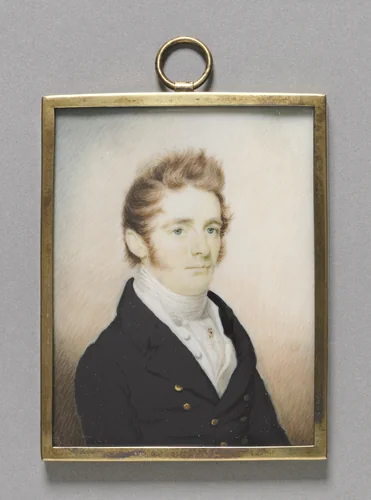
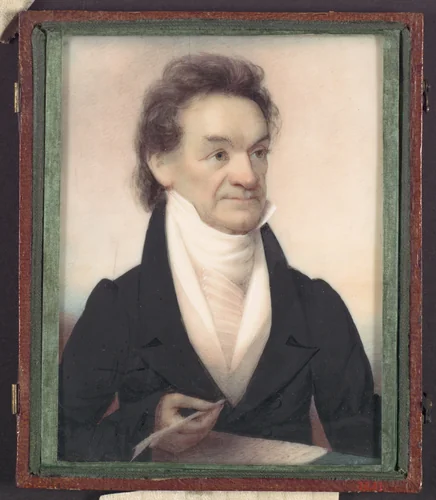
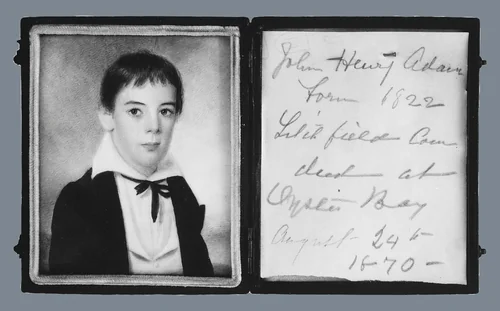
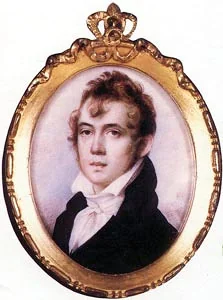
Anson Dickinson (1779-1852) stands as a historically significant yet increasingly obscure figure in early American art, recognized as one of the period’s most prolific painters of miniature portraits. Active professionally from 1804 through the 1830s, Dickinson achieved wide public acclaim during his lifetime by mastering the exacting process of rendering likenesses on small plaques of ivory, a necessary medium for intimate family portraits and memorial objects prior to the widespread acceptance of photography.
The sheer volume of Dickinson’s output distinguishes his career. His dedication allowed him to record a vast cross-section of American society, earning him commissions across New York, Philadelphia, and Boston. His technical skill in capturing the subtle nuances of Federal and Empire fashion and physiognomy is evident in works held by prominent institutions, including the Metropolitan Museum of Art and the Cleveland Museum of Art. Examples such as the Pair of Portrait Miniatures and the formal depiction of Mrs. Robert Watts (Matilda Ridley) showcase his characteristic precision and clarity.
Dickinson’s fame began to erode swiftly after the 1840s when the daguerreotype rendered hand-painted likenesses functionally obsolete. His later historical relegation, despite his tremendous productivity, illustrates a common fate of highly successful artists operating on the cusp of a technological revolution. It is perhaps a subtle testament to the nature of early American travel and patronage that an artist producing such a monumental quantity of detailed work could maintain such a relatively low profile in surviving archival records.
Today, scholars re-evaluating the visual culture of the nascent United States recognize the importance of Anson Dickinson paintings. His works serve as crucial documents for understanding the socio-economic context of the era. Due to their age, many of his compositions are moving into the public domain, allowing institutions to provide access to high-quality prints and downloadable artwork, thereby securing a renewed appreciation for his contribution to American portraiture and rescuing him from historical anonymity.
Source: Wikipedia · CC BY-SA 4.0