Anni Albers
Anni Albers (1899-1994) stands as one of the 20th century’s most critical innovators in textile art and design. A German-Jewish visual artist and prolific printmaker, she is credited with fundamentally shifting the perception of weaving, successfully blurring the strict boundaries between traditional craft and the established disciplines of fine art. Her rigorous approach to materials and structure elevated textile work from a decorative art to a crucial component of modernist architectural theory.
Born Anni Fleischmann in Berlin in 1899, she began her training studying under the Impressionist painter Martin Brandenburg from 1916 to 1919, followed by a brief attendance at the Kunstgewerbeschule in Hamburg. Her formative period began in 1922, however, when she enrolled at the revolutionary Bauhaus school in Weimar, founded by Walter Gropius.
Despite the Bauhaus’s avant-garde ideals, institutional gender biases often limited female students’ access to workshops like painting and architecture, steering them instead toward the weaving studio. Albers, facing these restrictions, transformed the constraint into a tremendous artistic advantage. She approached the loom not merely as a tool of production, but as a mechanism for compositional inquiry, effectively inventing a new visual language through thread.
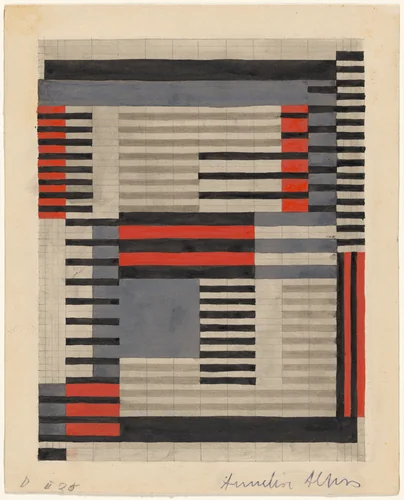
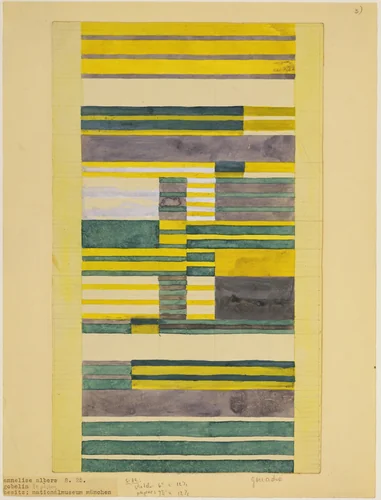
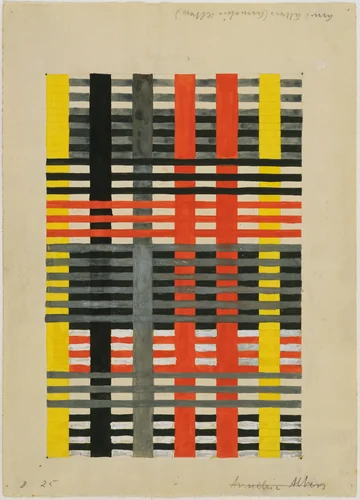
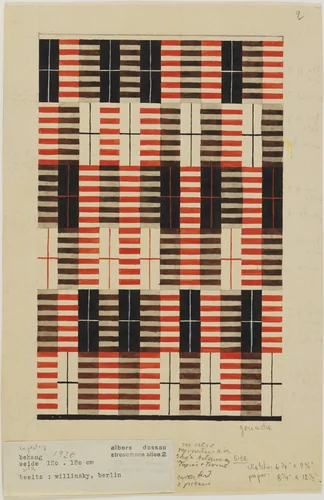
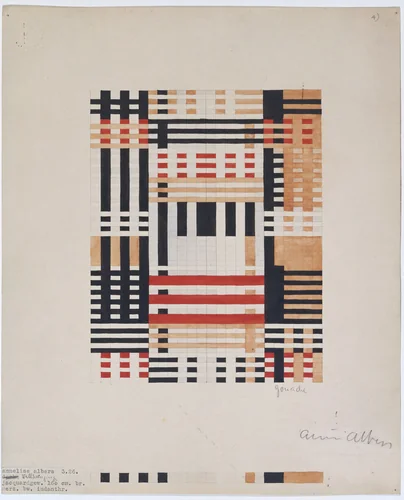
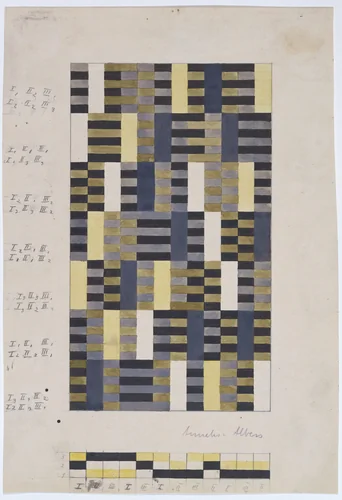
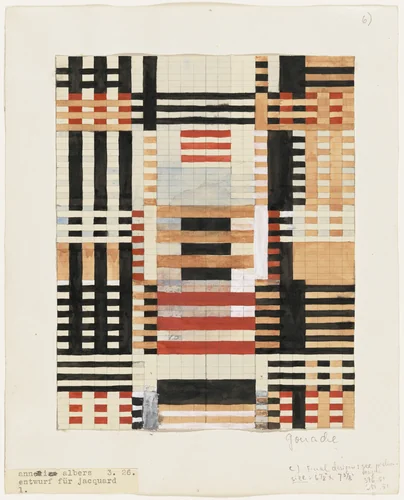
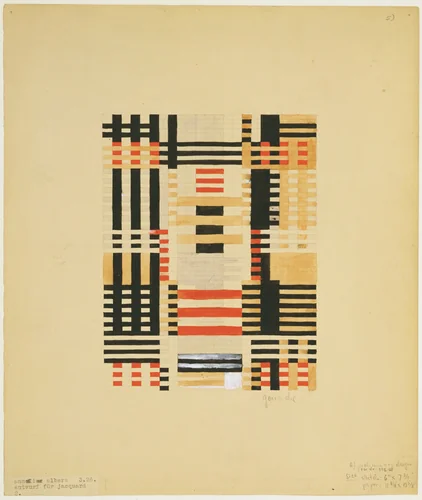
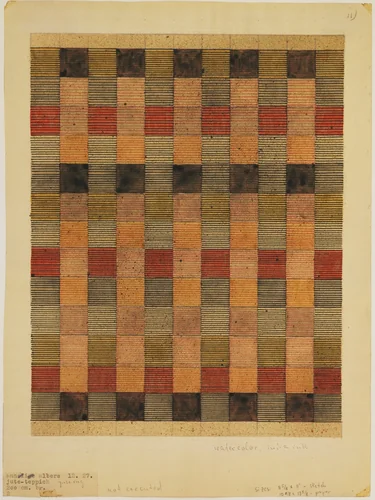
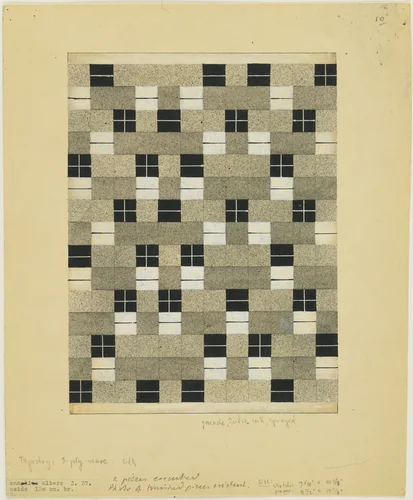
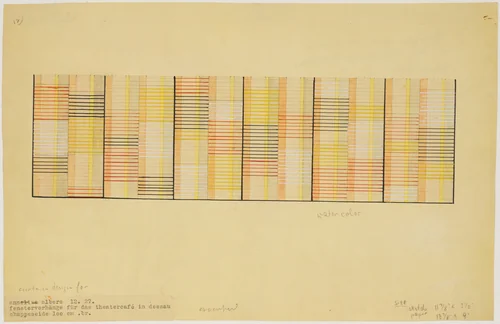
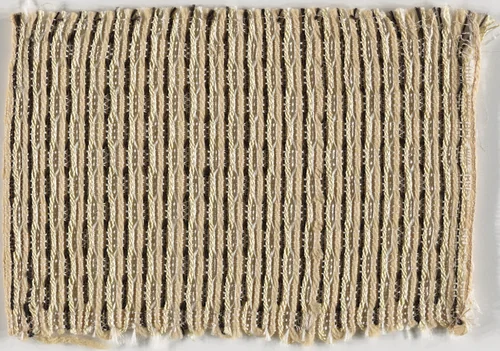
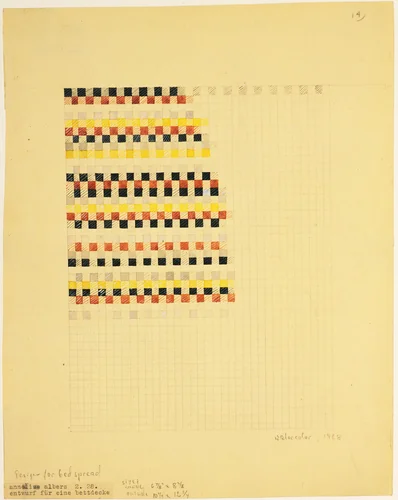
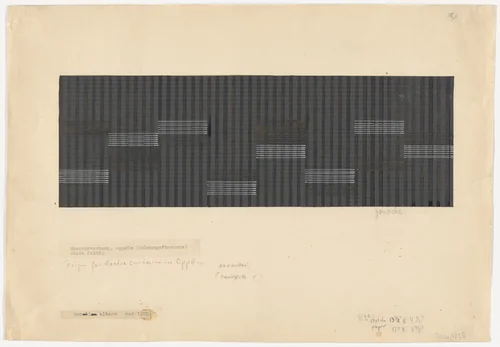
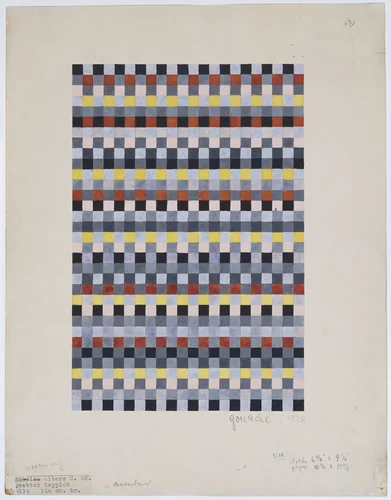
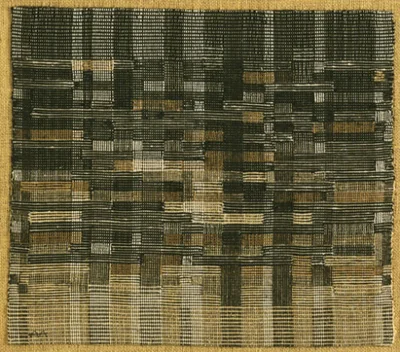
During her active years at the Bauhaus, particularly from 1925 to 1928, Albers produced a sophisticated body of geometric and abstract compositions. Her early output, which includes pieces such as Design for Smyrna Rug and several related Design for Wall Hanging studies, demonstrates a deep commitment to material experimentation. She became renowned for translating the modernist principles of functionalism and abstraction into tactile, architectural textiles, integrating complex synthetic fibers and new materials to achieve specific effects, including acoustic dampening.
Albers’s highly influential works, which defined the movement of modernist textiles, are today held in prestigious global institutions, including the Museum of Modern Art. Her legacy continues through her numerous theoretical writings and her exceptional designs; many of her foundational patterns and later Anni Albers prints are widely consulted by contemporary designers, confirming their status as essential museum-quality examples of abstract art.
Source: Wikipedia · CC BY-SA 4.0