Anne-Louis Girodet-Trioson
Anne-Louis Girodet-Trioson (1775-1826) holds a critical, transitional position within French art history, acting as a crucial bridge between the rigorous structure of Neoclassicism and the burgeoning intensity of early Romanticism. Trained in the Parisian studio of the era’s dominant figure, Jacques-Louis David, Girodet mastered the precise, linear style required of the academic tradition. However, unlike many of his contemporaries who adhered strictly to Davidian principles of moral clarity, Girodet quickly began to infuse his compositions with an emotional depth and psychological complexity that defined the nascent Romantic movement.
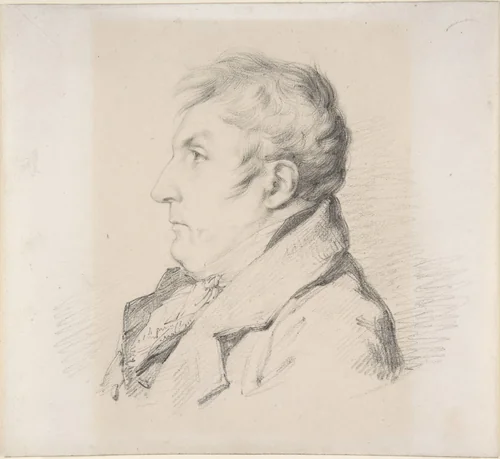
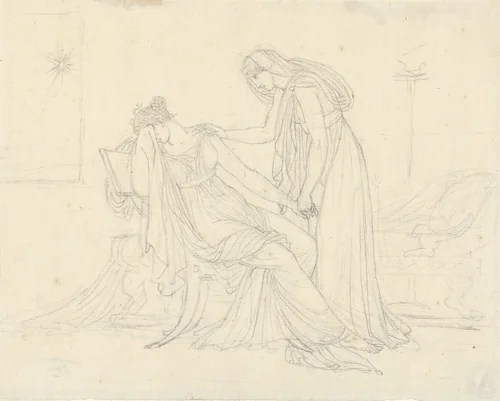
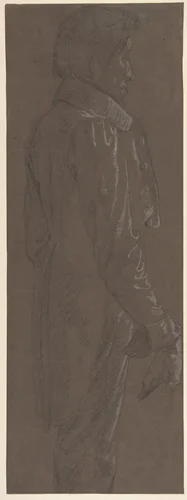
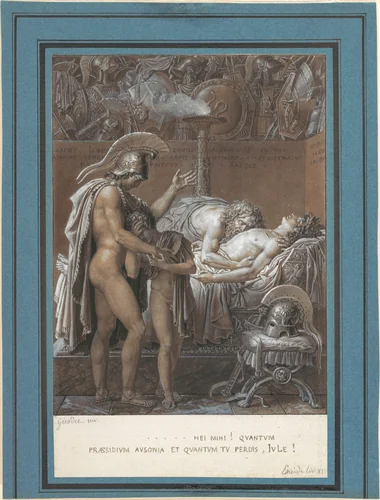
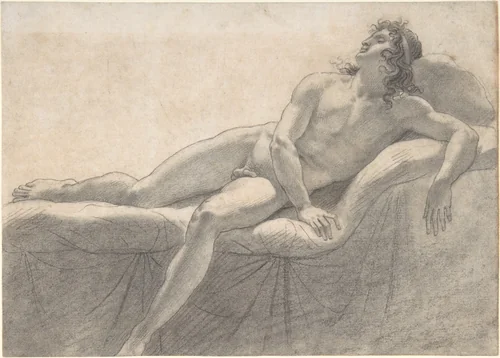
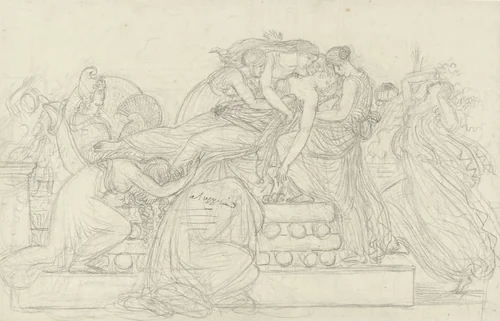
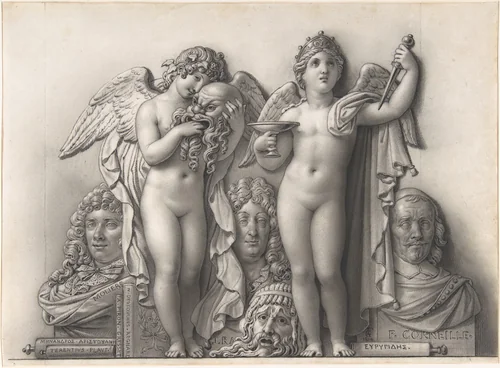
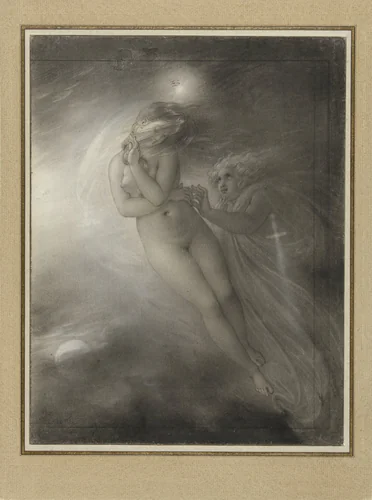
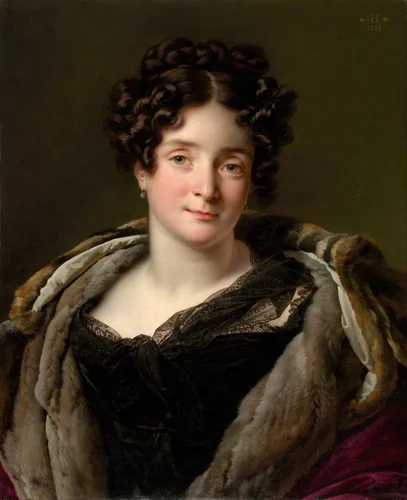
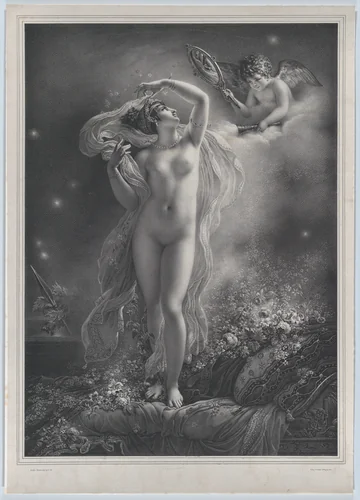
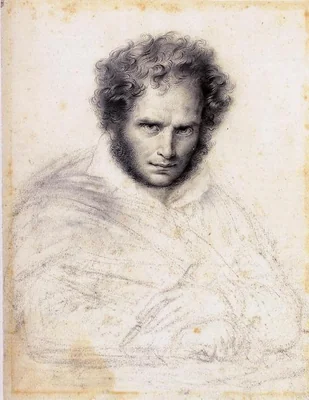
While his teacher favored historical severity, Girodet pushed the boundaries of accepted academic themes by injecting elements of the erotic, the sublime, and the macabre into his mythological and literary narratives. This willingness to explore deep subjectivity and unsettling subject matter marks him as an innovator. His technical application remained precise and clear, ensuring his Anne-Louis Girodet-Trioson paintings retained a high degree of finished polish, even when their content bordered on the fantastical or the sensual. Works such as Dido bekent haar zuster haar liefde voor Aeneas or the penetrating official portrait Portrait of Louis-Francois Bertin, l'ainé exemplify this synthesis of meticulous draftsmanship and profound character study.
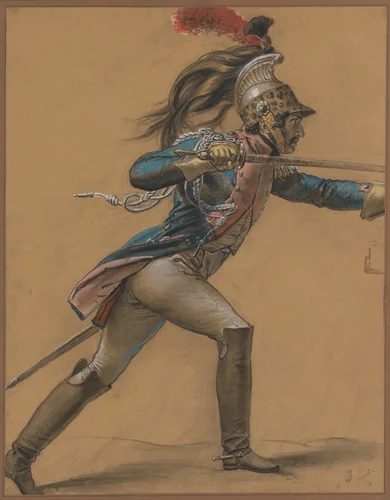
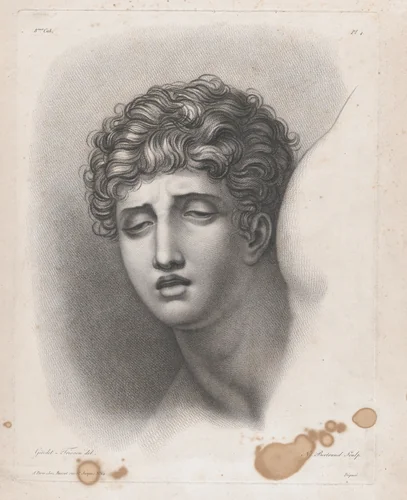
Girodet maintained a highly elite clientele and was particularly favored by the Napoleonic regime, leading to numerous commissions for official portraits of the imperial family and key state figures. He was renowned for his ability to convey status while still capturing the subject’s individual character, which often resulted in a subtle emotional ambiguity. Beyond his visual artistry, Girodet was a respected poet and wrote extensively on aesthetics and literature, providing a rare glimpse into the intellectual rigor behind his carefully constructed compositions. His substantial output includes highly finished oil paintings, detailed preparatory drawings, and finely executed Anne-Louis Girodet-Trioson prints. Today, the enduring museum-quality of his draftsmanship allows these works, frequently available globally as downloadable artwork, to be studied as essential documents of a pivotal shift in visual culture.
Source: Wikipedia · CC BY-SA 4.0