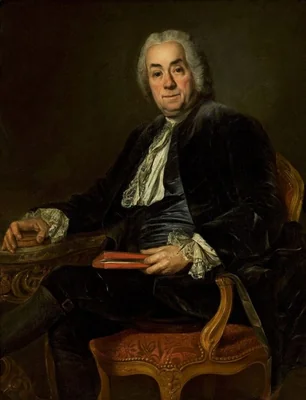
Anne Claude Philippe de Tubières
Anne Claude Philippe de Tubières-Grimoard de Pestels de Lévis, commonly known by his title, the Comte de Caylus, was a paramount figure of the French Enlightenment, functioning at the critical intersection of scholarly research and graphic arts production. Rather than a studio artist defined by original compositions, Caylus operated as an influential antiquarian, proto-archaeologist, and distinguished man of letters who used printmaking as an essential medium for documentation and intellectual exchange.
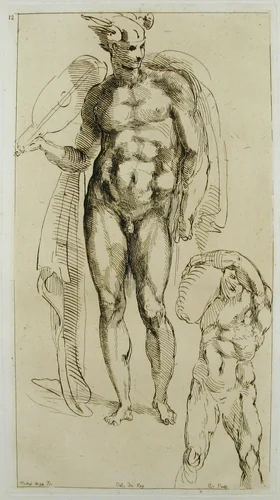
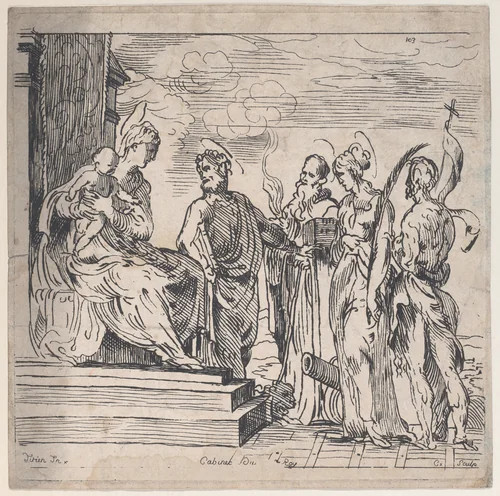
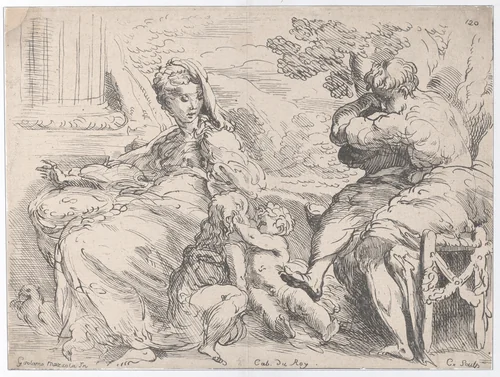
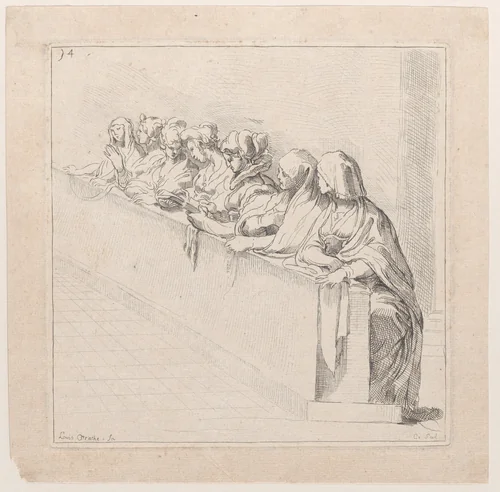
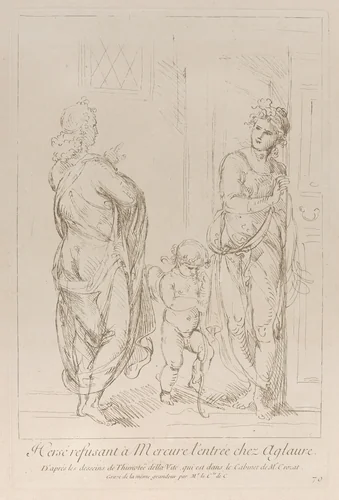
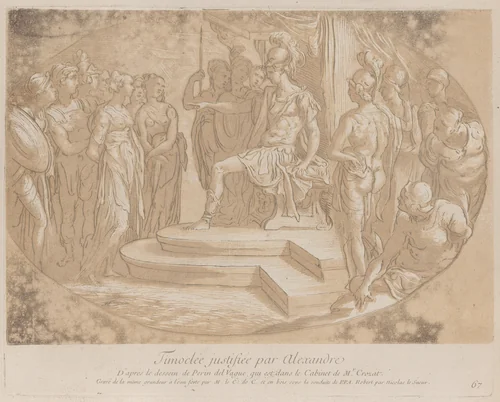
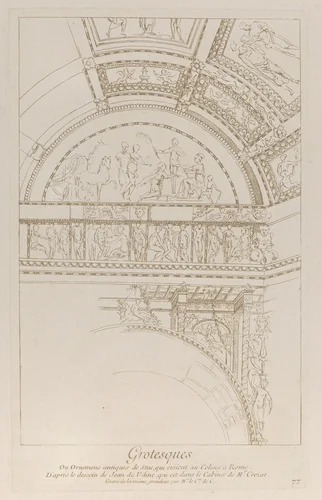
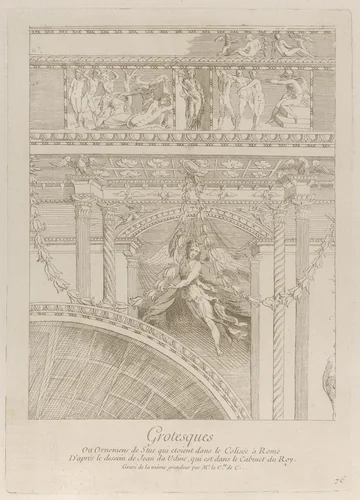
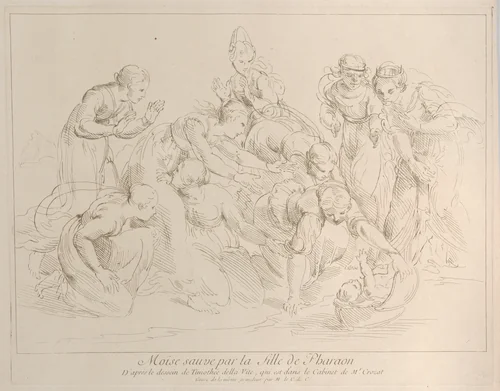
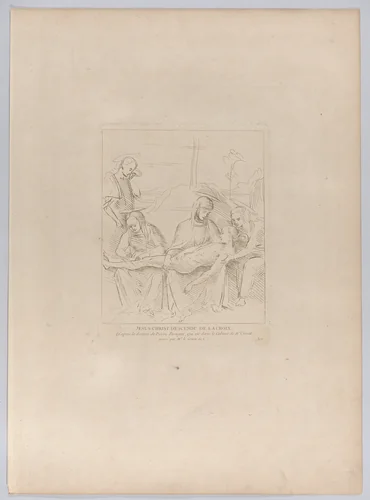
His engagement with history spanned centuries, evidenced by the fifteen prints cataloged under his name in major collections, including the Metropolitan Museum of Art. Though his own life coincided with the refinement of the Rococo, the themes of his active output, represented by works like Virgin and Child with Four Saints and the mythological study Mercury, reveal a profound dedication to classical and Renaissance forms. Caylus’s significance lies particularly in his reproductive graphics, which secured visual records of masterpieces and fragments of antiquity for widespread study.
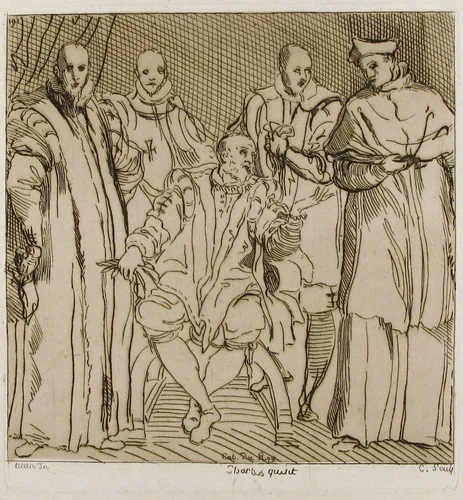
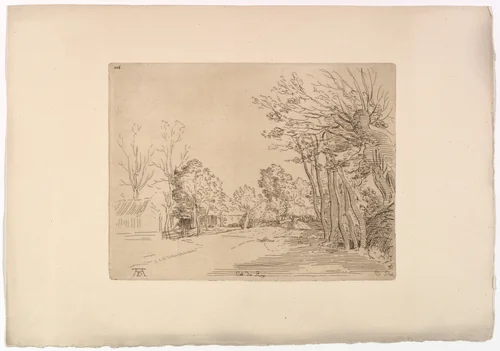
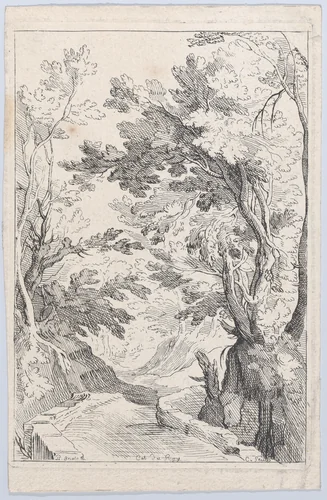
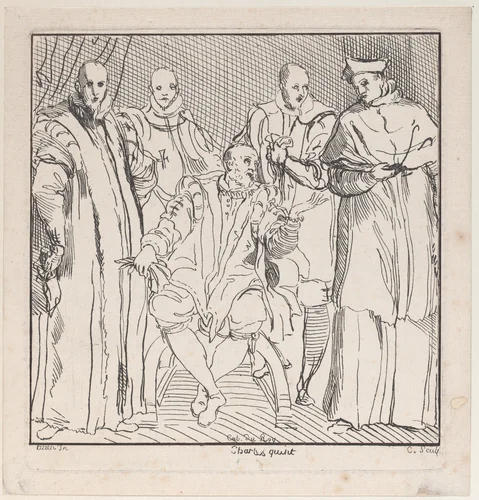
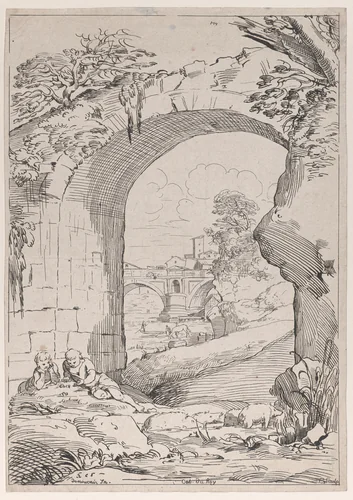
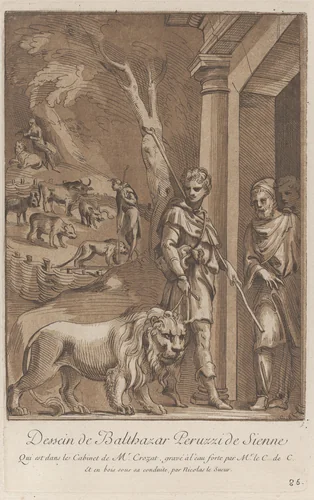
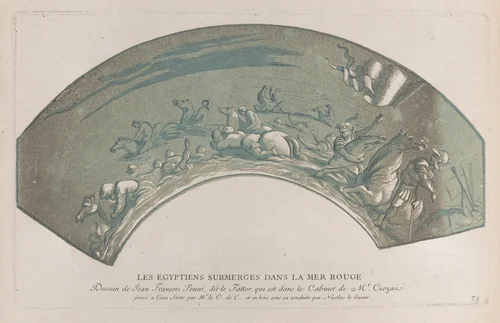
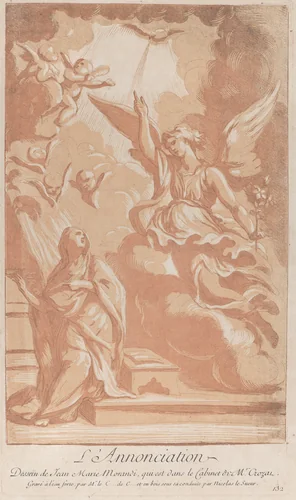
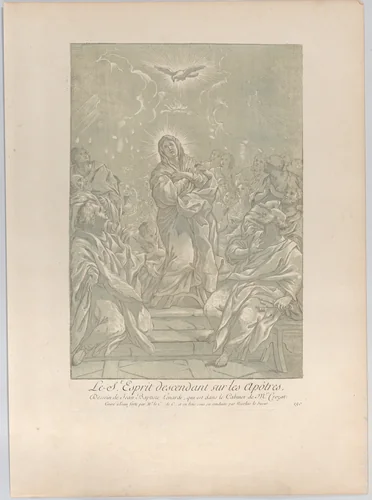
Works such as Charles V after Titian and Landscape after Dürer illustrate this commitment to dissemination, capturing the essence of historical masters and making their visual language available beyond elite collecting circles. This methodological approach, using print technology to archive and circulate art historical data, was an innovation critical to the development of modern art history. His prints ensured that images of important works were preserved in the public domain, regardless of the originals’ physical status or location.
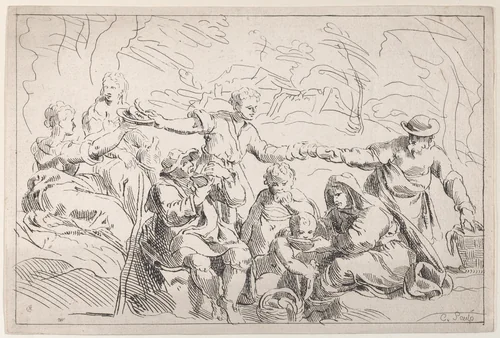
It is perhaps telling that this nobleman, armed with immense privilege and access to the finest treasures of his era, chose to dedicate his efforts not to collecting alone, but to the painstaking, detailed labor of replication and study. Through his meticulous process, Anne Claude Philippe de Tubières prints became not merely aesthetic objects, but museum-quality visual scholarship. His sustained efforts guaranteed that diverse subjects, ranging from historical portraiture to genre scenes such as A Party Eating Outdoors, survived and remain available today as high-quality prints, illustrating the Enlightenment’s thirst for comprehensive knowledge.
Source: Wikipedia · CC BY-SA 4.0