Anna Maria Garthwaite
Anna Maria Garthwaite (c. 1690-1763) is justly considered one of the premiere designers of the English silk industry during the Georgian period. Active in London’s Spitalfields district from 1733 to 1752, her highly influential work fundamentally shifted the aesthetic direction of high fashion textiles, moving away from the rigid formalities of French design toward a vivid, naturalistic English style.
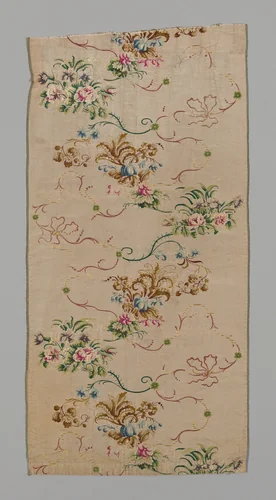
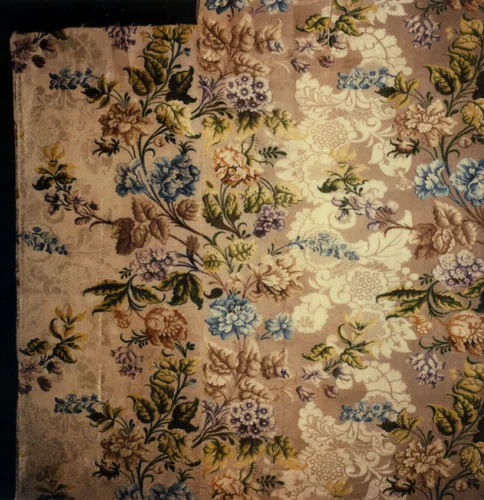
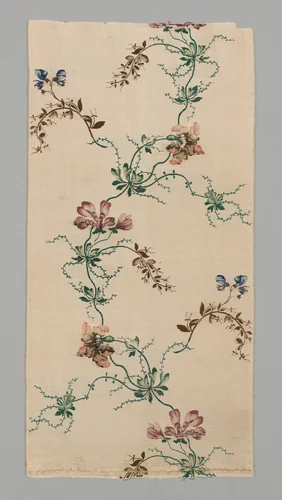
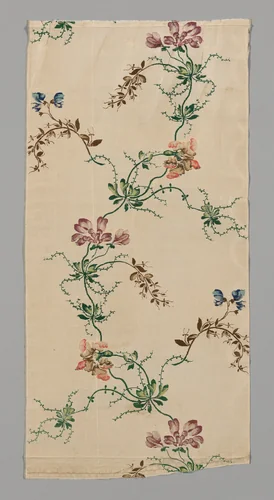
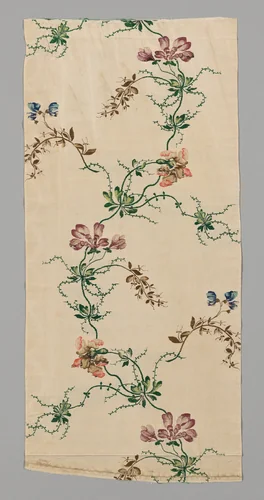
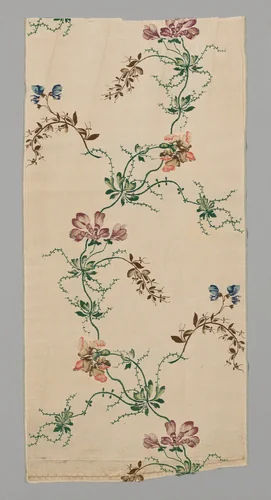
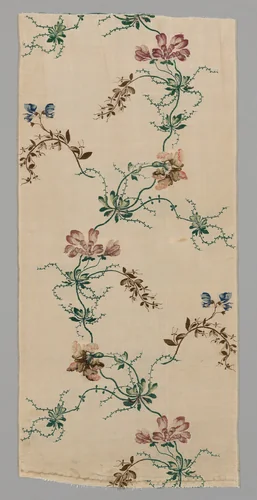
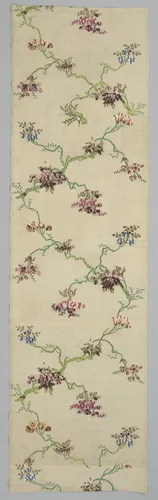
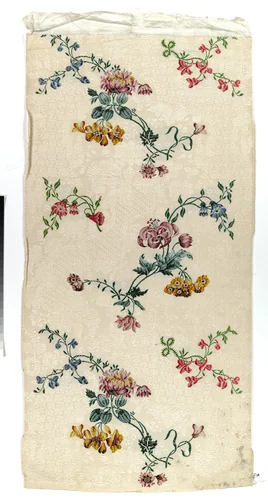
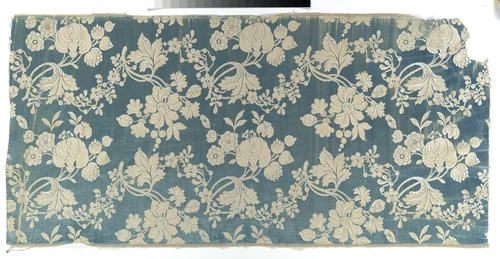
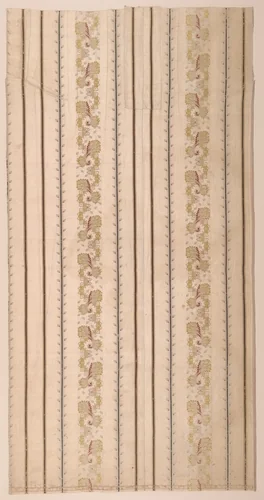
Garthwaite’s distinctive artistic contribution lay in her sophisticated visual vocabulary, which championed botanically accurate, three-dimensional floral arrangements. Unlike her continental counterparts, who favored stiff, non-representational patterns, Garthwaite’s designs imbue the fabric with dynamic movement. Her flowers, often rendered as if caught mid-bloom or casually scattered across the ground, achieve an impressive illusion of depth through complex shading and light effects. This technical mastery required close collaboration with the Spitalfields weavers to ensure her watercolor designs translated faithfully into the silk warp and weft.
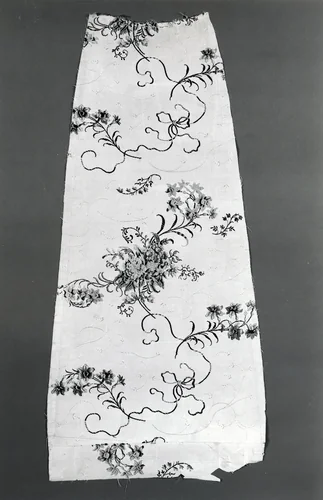
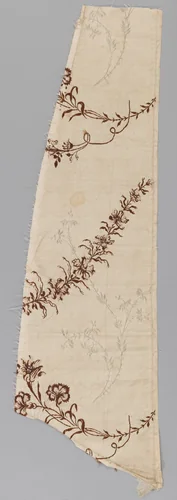
The survival of a significant collection of her original watercolor studies offers invaluable insight into her process, allowing scholars to match preliminary sketches with finished woven textiles identified in costume collections internationally. These designs were immediately successful, positioning Garthwaite as an acknowledged leader in a competitive trade dominated largely by men. Her surviving silks, such as the example identified as a Panel (From a Skirt), now reside in major institutions globally, including the Metropolitan Museum of Art and the Art Institute of Chicago, underscoring their historical and artistic significance.
Beyond their initial function in luxury dress, the integrity of her design work continues to be relevant for contemporary study. Many of the preparatory drawings and documents related to Anna Maria Garthwaite prints are preserved, ensuring that this extensive body of material remains accessible to researchers and the public. Her designs set a benchmark for museum-quality textile production in the mid-18th century. Today, enthusiasts can appreciate the enduring elegance of her high-quality prints and patterns, which remain an indispensable marker of English Rococo design innovation.
Source: Wikipedia · CC BY-SA 4.0