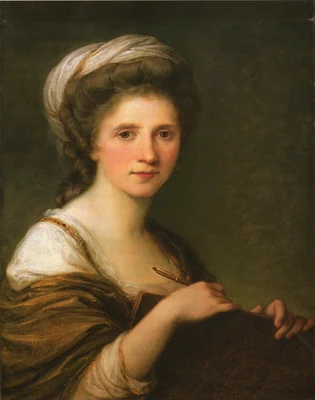
Angelica Kauffmann
Maria Anna Angelika Kauffmann (1741-1807), known widely as Angelica Kauffmann, was one of the most successful and critically regarded cosmopolitan artists of the Neoclassical age. A Swiss painter by birth, Kauffmann achieved a level of professional distinction rare for women of the period, successfully establishing thriving careers across the cultural hubs of London and Rome. Her immediate significance is permanently secured by her inclusion, alongside Mary Moser, as one of only two female founding members of the Royal Academy of Art in London when it was established in 1768.
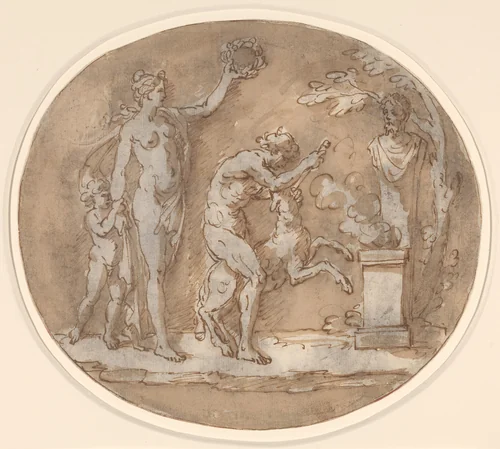
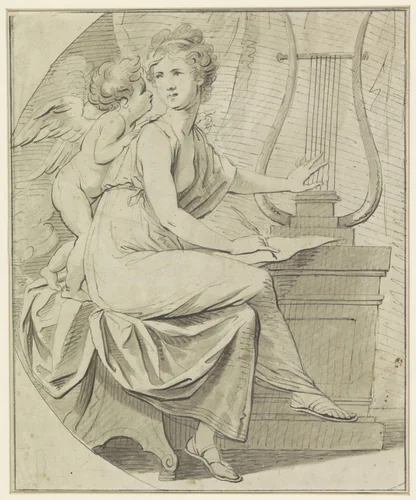
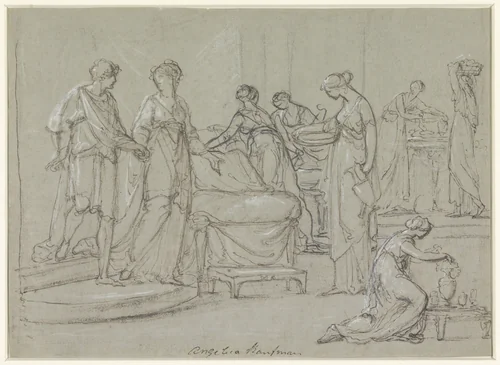
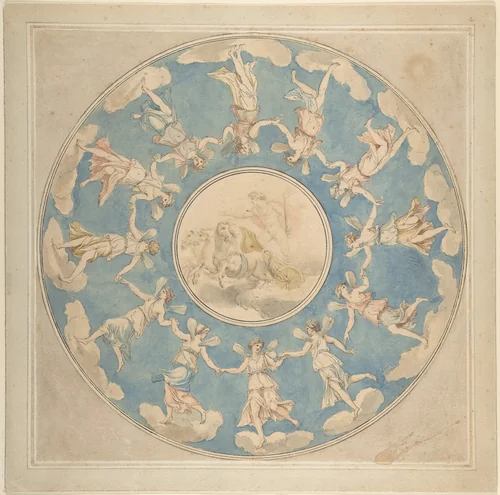
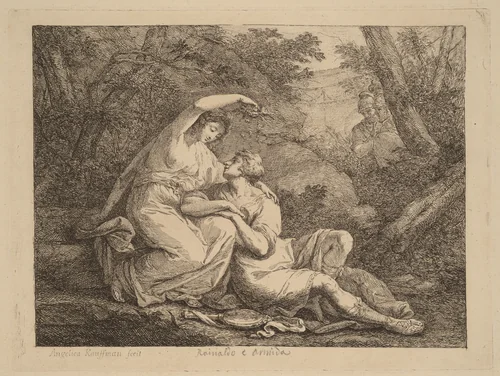
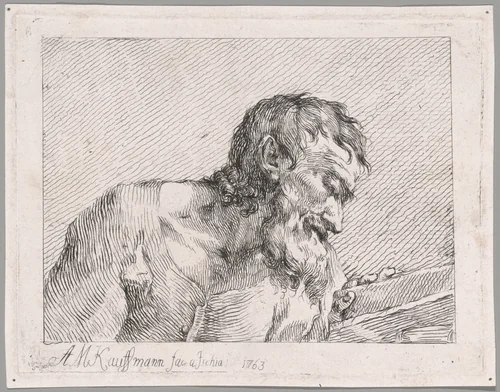
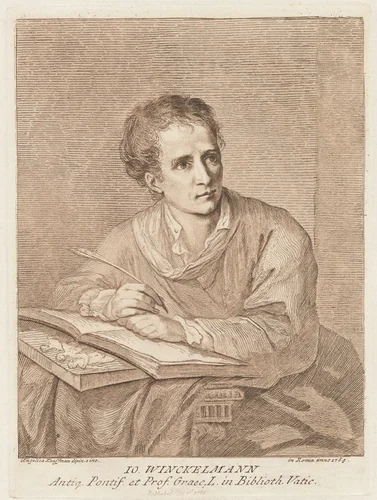
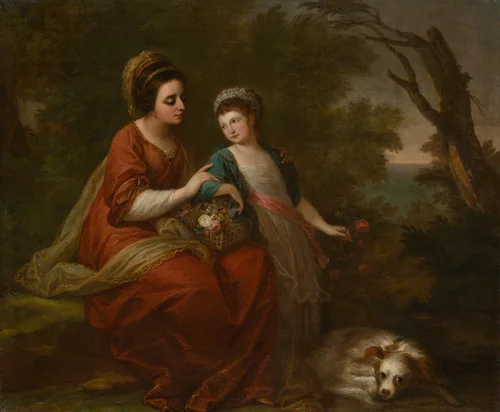
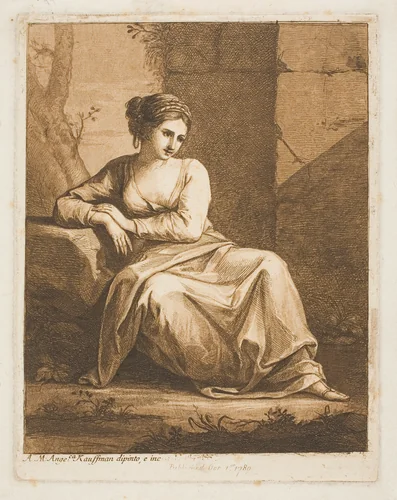
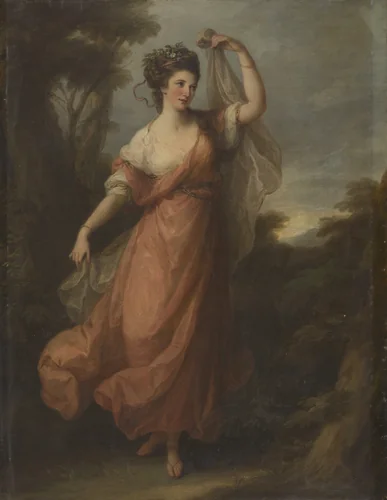
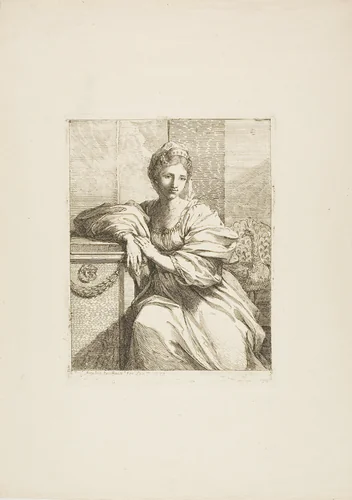
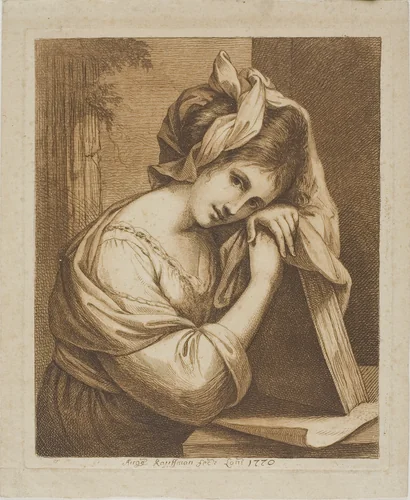
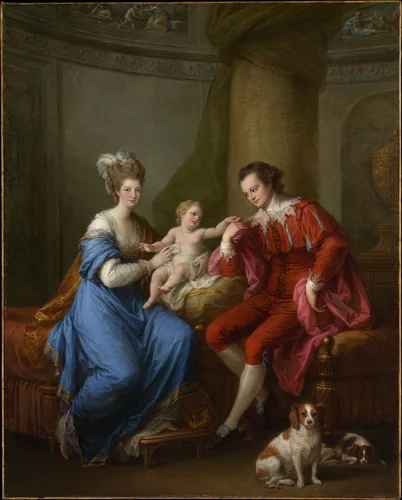
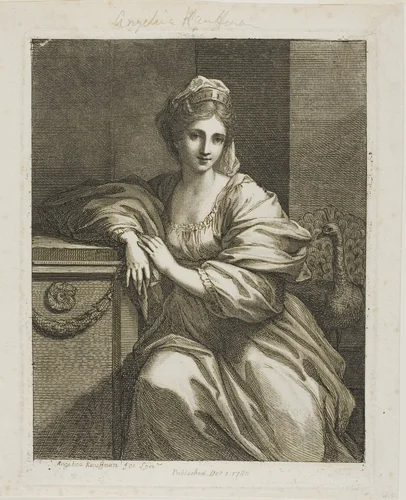
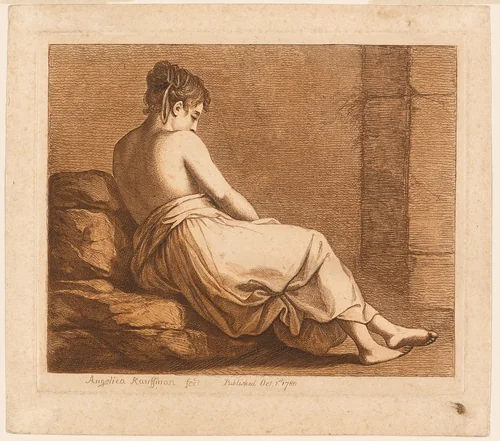
Kauffmann’s reputation rests primarily on her achievements as a history painter, a genre defined by classical subject matter and grand narrative scope, traditionally considered the highest form of artistic endeavor—and one largely inaccessible to women. Yet, her technical mastery extended far beyond mythological canvases. She was equally lauded as a skilled portraitist, landscape artist, and influential decorative painter. Her breadth of skill is evidenced by the varied selection of works held in collections such as the Rijksmuseum and the Metropolitan Museum of Art, spanning fine draftsmanship, prints, and oil paintings.
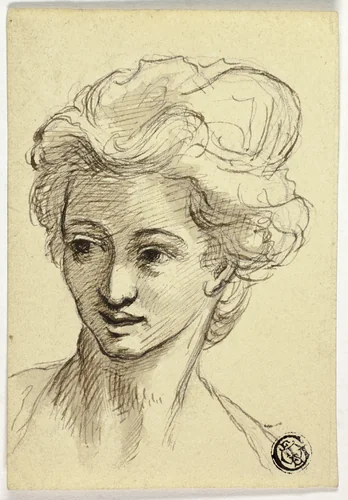
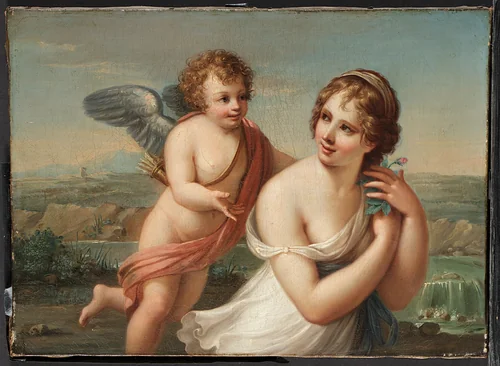
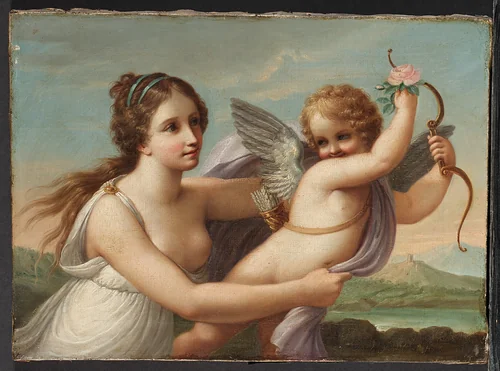
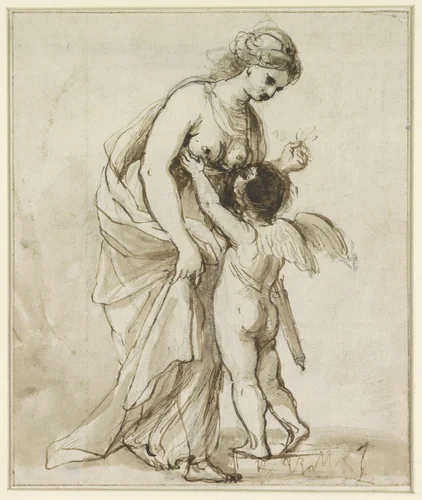
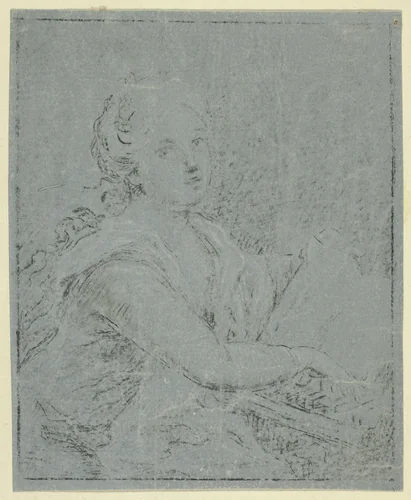
Her approach, which often merged Neoclassical discipline with a delicate, feminine sensibility, proved highly marketable. Works such as The Temptation of Eros and The Victory of Eros demonstrate her fluent command of classical iconography, while the meticulous detail of drawings like Head of Woman, Turning Left showcases her training. She demonstrated an impressive degree of professional acumen, navigating the complex demands of high-profile commissions and demanding patronage systems with grace. It is a subtle observation that the only way to avoid controversy regarding the presentation of her history painting skills within the Royal Academy was to exclude her entirely from the group portrait depicting the founding members.
The sheer volume of her output, including seven known drawings, four prints, and two paintings detailed in this catalogue, confirms her prolific activity throughout the period spanning 1690 to 1770. Today, the enduring appeal of Angelica Kauffmann paintings and Angelica Kauffmann prints ensures her legacy as an eighteenth-century master. With many of her artistic endeavors now residing in the public domain, these seminal works are widely accessible, often available as high-quality prints and downloadable artwork for international audiences.
Source: Wikipedia · CC BY-SA 4.0