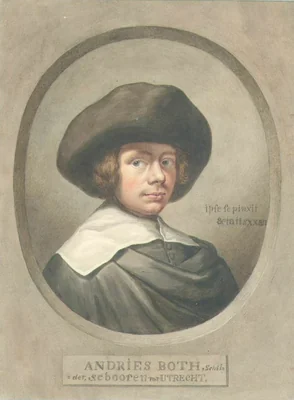
Andries Both
Andries Both (1611-1636) occupies a distinctive, if tragically brief, space in 17th-century Dutch painting. A highly skilled genre painter, Both is primarily known for his pivotal role within the Bamboccianti, the influential association of Northern European artists active in Rome. This collective specialized in documenting the everyday life of the Eternal City’s lower strata, shifting artistic focus away from classical idealism toward robust, sometimes chaotic, realism.
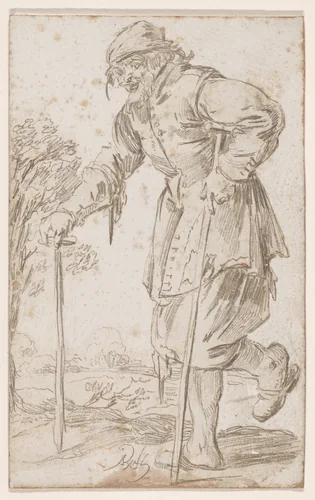
The Bamboccianti derived their subjects from the Roman streets and countryside: scenes of laborers, soldiers, peasants relaxing, and market hustlers. Both brought a refined draftsmanship and eye for detail to these otherwise rough-hewn subjects, depicting his figures with genuine character and subtle theatricality. Scholars studying the existing Andries Both paintings and prints often note the careful balance between the picturesque poverty of the subject and the technical mastery required to render it—an irony not lost on the wealthy aristocratic clientele who ultimately purchased these records of daily hardship.
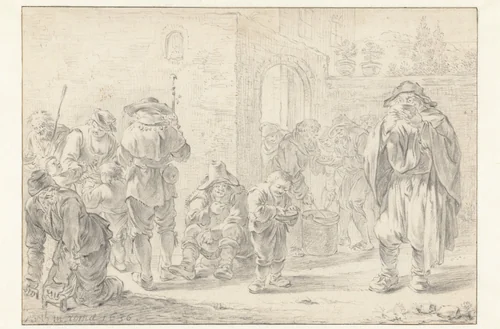
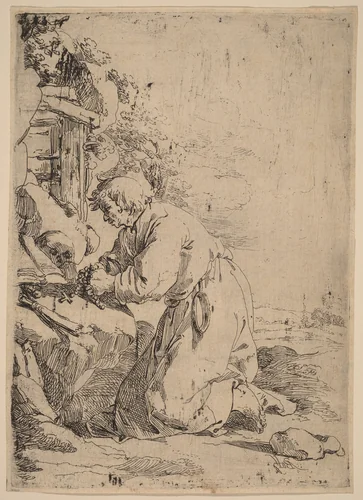
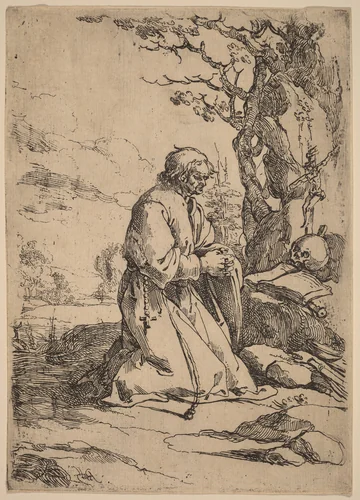
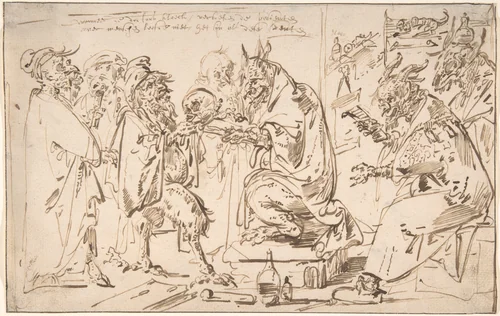
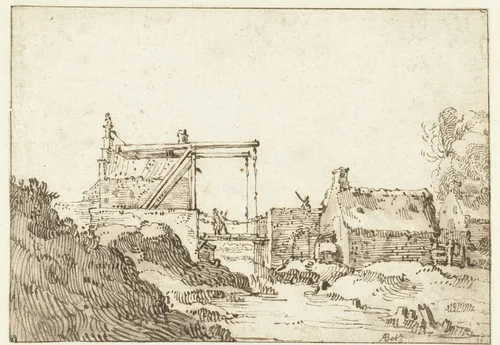
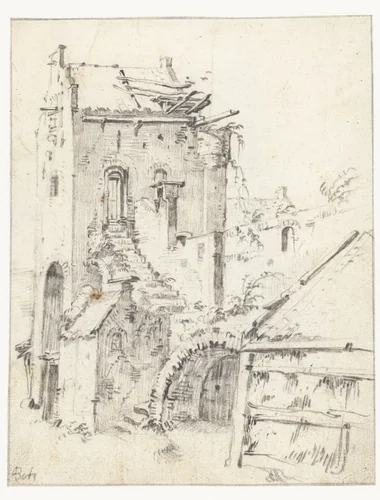
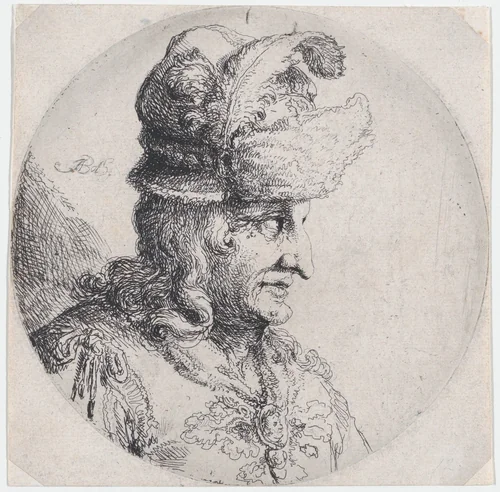
Both’s surviving oeuvre, which includes eight drawings and three known prints, demonstrates an impressive versatility beyond traditional street scenes. While works such as The Kneeling Hermit Facing Left suggest an exploration of spiritual reflection, others reveal a sharp wit and a commitment to architectural observation. Diablerie: A Satire on the Medical Profession, for instance, showcases a pointed social commentary characteristic of Dutch printmaking, while architectural studies like Vervallen stadspoort demonstrate an interest in the decaying grandeur of the Roman environment itself.
Though his active period spanned less than three decades, Both’s influence helped solidify the legitimacy of genre painting in Dutch art. His ability to capture fleeting moments of human interaction, rendered with sophisticated handling of light and shadow, ensures his place among the era's significant realist painters. Today, his works are preserved in major institutions globally, including the Rijksmuseum and the Metropolitan Museum of Art. Many foundational works by Both have entered the public domain, allowing for the widespread creation of high-quality prints and making his distinctive contributions to the Bamboccianti accessible for both scholarship and appreciation.
Source: Wikipedia · CC BY-SA 4.0
![An Artist Seated at His Easel [recto] by Andries Both, drawing, 1634](https://img.artbee.org/cd9204a5-8cf7-4449-b09b-9c51c845e0a4/small.webp)