Andrew Joseph Russell
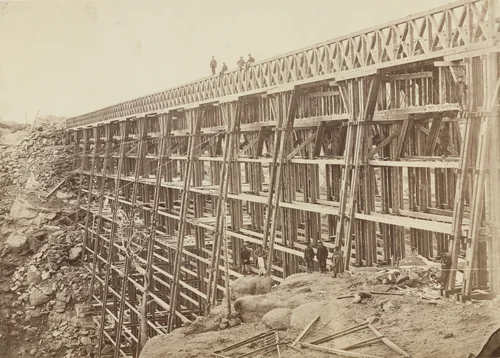
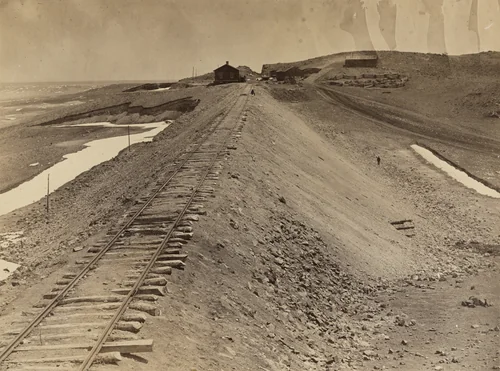
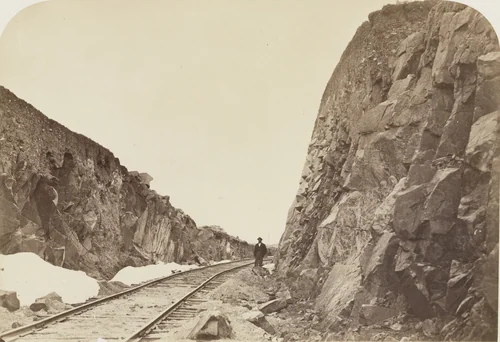
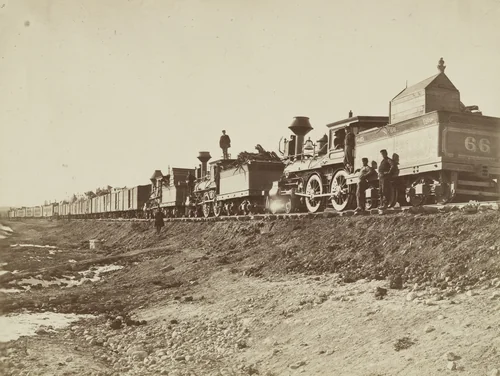
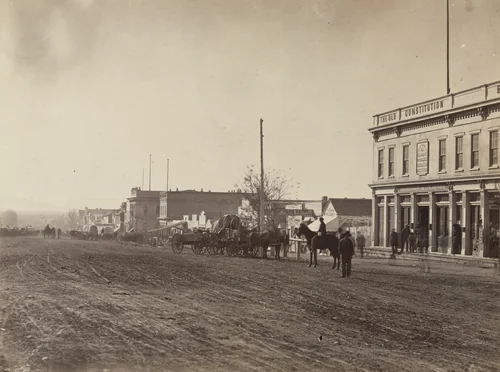
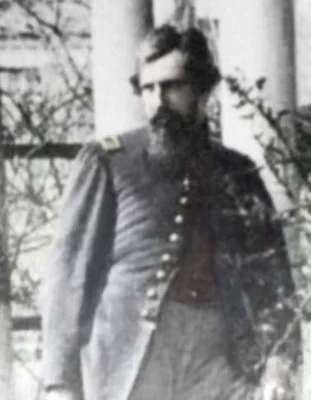
Andrew Joseph Russell (1830-1902) holds a distinct place in the history of 19th-century American photography, bridging the documentation of conflict and the aggressive expansion of the nation's infrastructure. While he served as an important, though sometimes less celebrated, photographer during the American Civil War, his defining artistic output centers on his comprehensive visual documentation of the Union Pacific Railroad. Russell captured the engineering feat of the UP construction between 1868 and 1869, creating images that remain critical records of a transformative national undertaking.
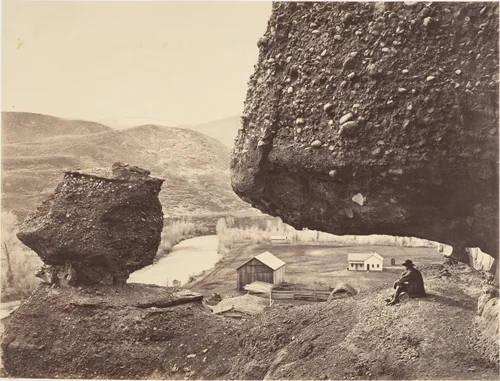
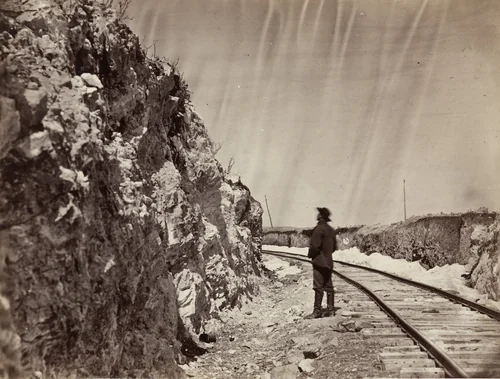
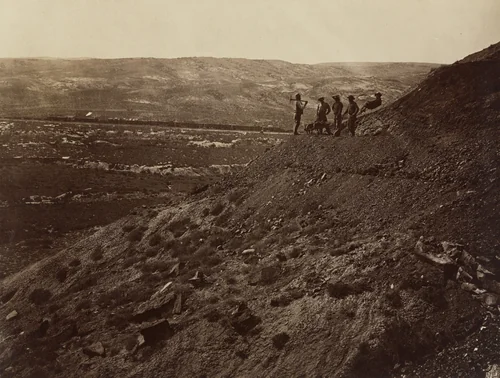
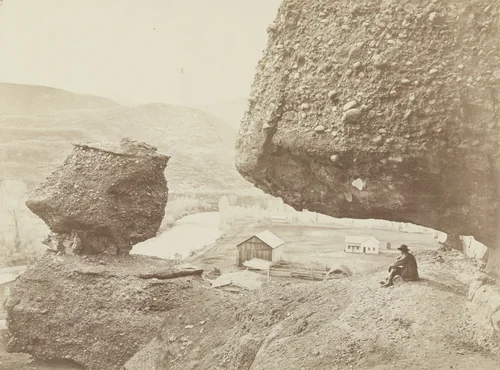
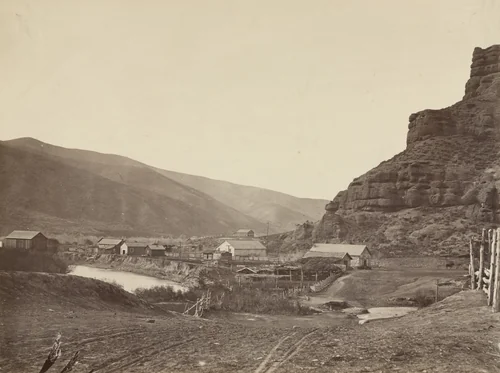
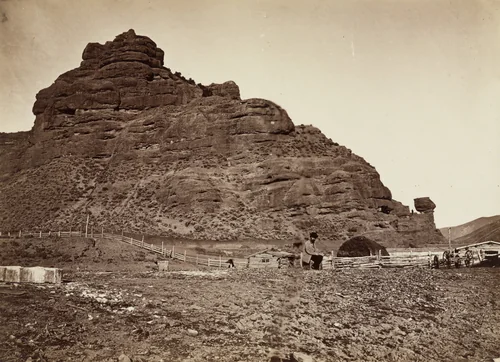
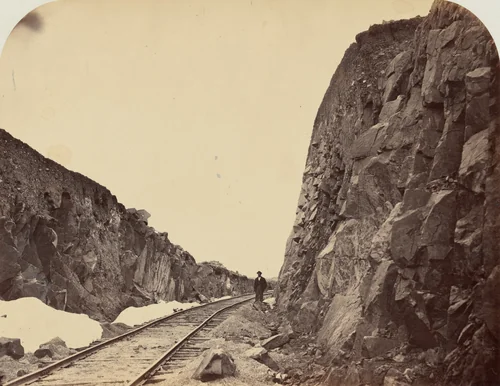
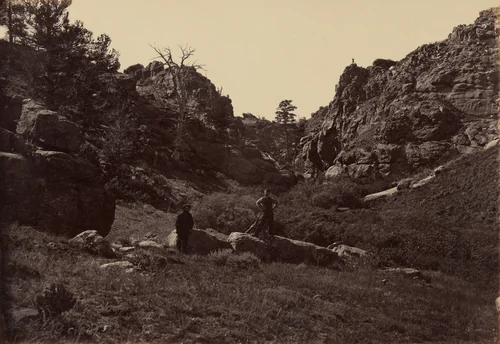
Russell's work transcended mere record-keeping; it synthesized topographical study with the drama of human endeavor. Unlike many of his contemporaries, Russell was often positioned not just to document the progress of track laying, but to frame the vast western expanse as a new stage for American industry. Photographs such as Echo City, From North and Valley of the Great Laramie from the Mountains illustrate his technical command of the cumbersome wet-plate collodion process, capturing immense geological detail with remarkable fidelity.
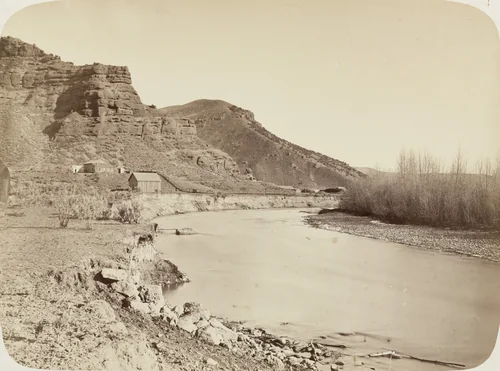
One might observe a slight irony: the photographer tasked with meticulously recording the compression of distance via steel rail was simultaneously required to haul hundreds of pounds of equipment, chemicals, and glass plates across the very terrain the railroad was designed to tame. His powerful series, including Source of the Laramie River and Great Salt Lake Warm Spring, Lake in Distance, offers a unique and detailed window into this era of national ambition and technical challenge.
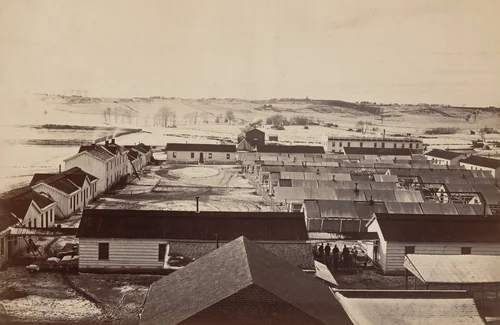
Today, Russell’s extensive photographic catalog provides invaluable insight into both military logistics, seen in images like Camp of Construction Corps, U.S. Military Railroad at City Point, and the social history of the transcontinental effort. His Andrew Joseph Russell prints are recognized internationally for their historical weight and artistic precision, residing in significant institutional collections including the Museum of Modern Art and the Metropolitan Museum of Art. These robust, detailed images are frequently studied by historians and appreciated by enthusiasts, leading to their widespread availability as museum-quality photographic reproductions. Many of Russell's seminal views are now widely accessible as downloadable artwork, ensuring that this crucial visual record of 19th-century America remains freely available for scholarly research and public appreciation.
Source: Wikipedia · CC BY-SA 4.0
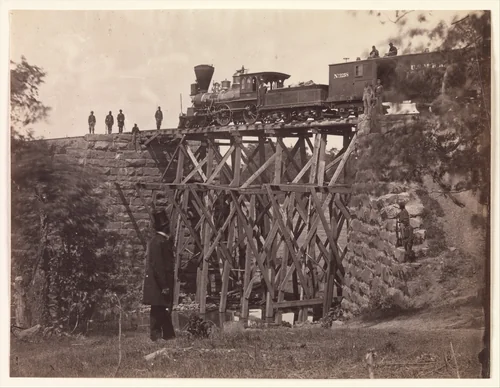
![[Artillery Camp, City Point, Virginia] by Andrew Joseph Russell, photograph, 1865](https://img.artbee.org/d80f3d8e-48e1-4fb4-b287-23ce260e8129/small.webp)