Andrew J. Russell
Andrew J. Russell (active 1850-1868) holds a pivotal position in 19th-century American photography, serving as the visual chronicler for two of the era’s most transformative national efforts: the Civil War and the engineering marvel of the Transcontinental Railroad. His extensive body of work, captured through the demanding medium of large-format albumen prints, provides an indispensable record of American industrialization, expansion, and conflict.
During the war years, Russell moved beyond static portraiture to capture the colossal infrastructure supporting the Union Army. Photographs like Coal Wharf, Alexandria, Virginia and the unsettling Scene of Battle, Fredericksburg, Virginia [Caissons Destroyed by Federal Shells] reveal not merely the drama of the battlefield, but the logistical enormity required to sustain it. These images documented destruction and resource mobilization on an unprecedented scale, effectively laying the groundwork for modern photojournalism and historical documentation.
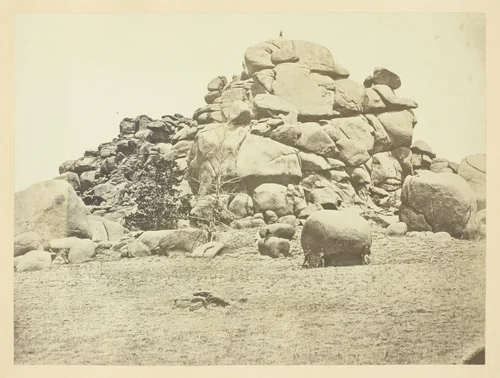
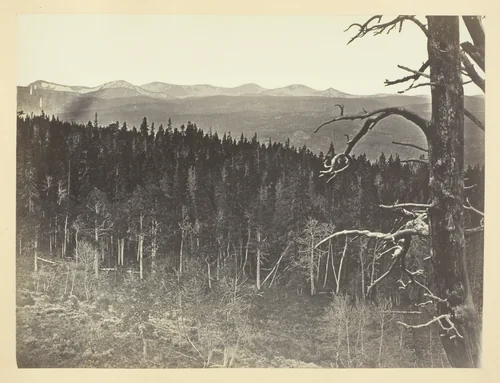
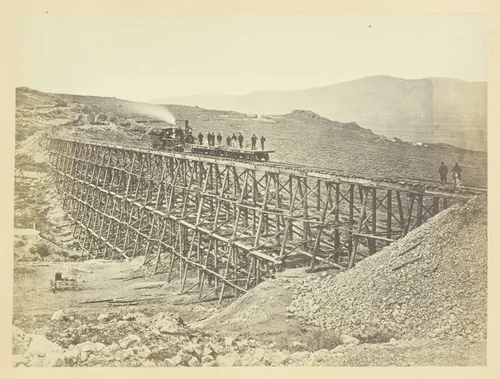
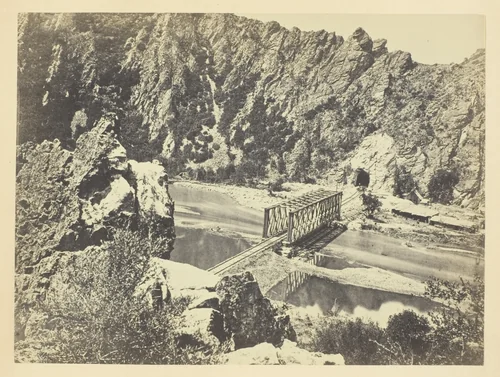
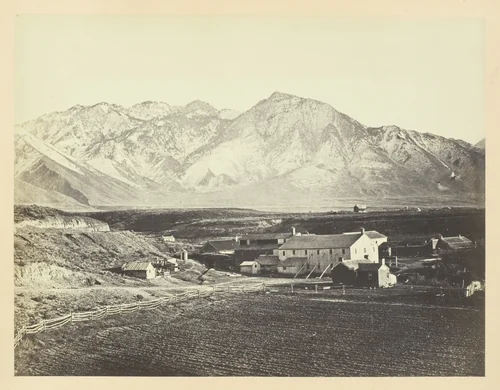
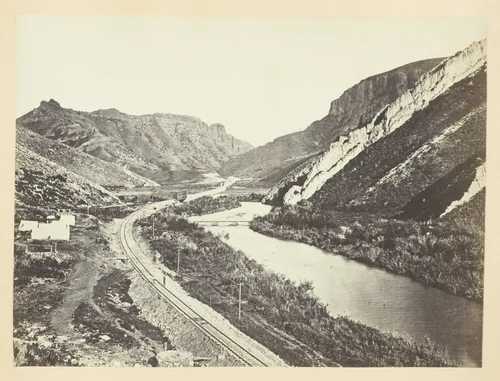
Following the close of the war, Russell pivoted sharply from chronicling destruction to documenting progress. In 1868 and 1869, he was instrumental in recording the construction of the Union Pacific (UP) Railroad, capturing its arduous path west from Omaha. This phase produced some of his most technically ambitious works, encompassing sweeping vistas and raw industrial operations.
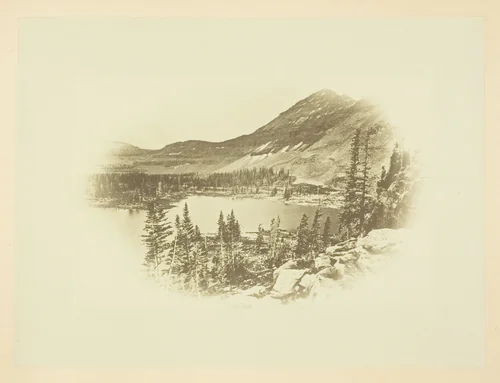
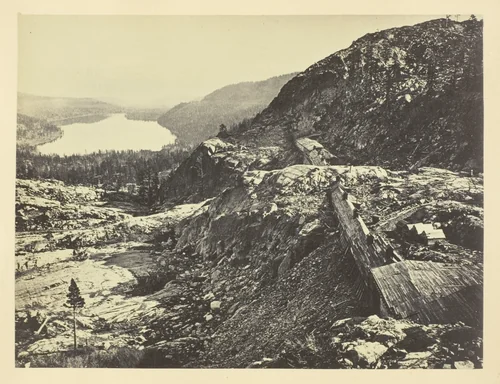
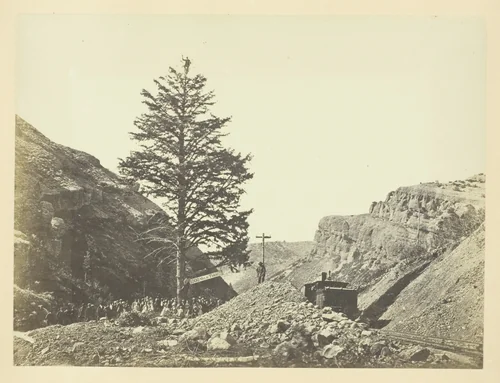
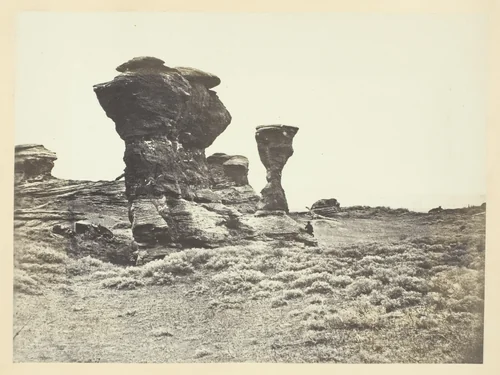
Photographs such as Bitter Creek Valley, Near Green River balance documentary clarity with a Romantic sense of the American sublime. The resulting visual archive is perhaps best characterized by the tension between the sublime natural setting, seen in Mirror Lake A, No. 35 from the series "California and The Pacific Coast, West from Omaha," and the undeniable force of human endeavor, vividly captured by the smoke and industry in Burning Rock Cut, Green River Valley. While Russell captured monumental feats of engineering, it is often noted that he showed surprisingly little interest in the individual workers, preferring instead the powerful drama of the engineered landscape itself.
Russell’s technically rigorous photographs are preserved in major institutions, including the Art Institute of Chicago. Through these efforts, many Andrew J. Russell prints are now preserved and available in the public domain, allowing global access to these museum-quality records. This accessibility ensures the continued appreciation of his skill in producing high-quality prints that define a crucial period of American history.
Source: Wikipedia · CC BY-SA 4.0