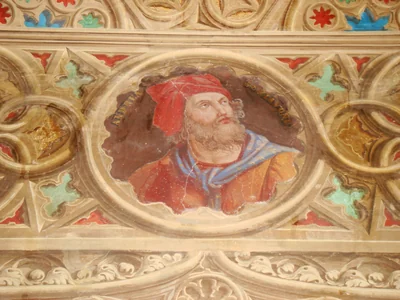
Andrea Schiavone
Andrea Meldolla, universally known by the epithet Andrea Schiavone, was a painter and etcher whose contributions were pivotal to the development of sixteenth-century Venetian art. Born in Dalmatia, then a dependency of the Venetian Republic, his nickname, lo Schiavone (Andrew the Slav), acknowledges his geographical origins, although his career was firmly established within the artistic centers of Venice itself. Active primarily between 1500 and 1510, Schiavone is recognized for orchestrating a demanding stylistic fusion that set him apart from his contemporaries.
While the Venetian mainstream remained devoted to the coloristic and compositional stability established by Giorgione and Titian, Schiavone embraced the dynamic, sometimes destabilizing, currents of Central Italian Mannerism. This was a relative rarity in Venice. Schiavone successfully integrated the expressive elongation and dramatic lighting of Mannerism with the rich tonality and fluid handling he absorbed directly from masters like Titian. The resulting style is highly energized, characterized by energetic brushwork and compositions that often feel in motion, a trait which occasionally perplexed his more conservative Venetian patrons.
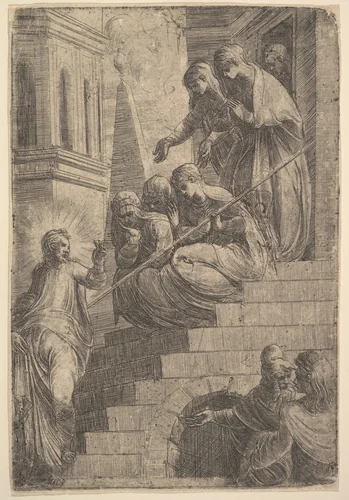
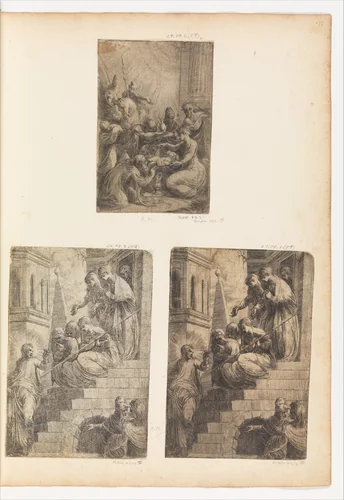
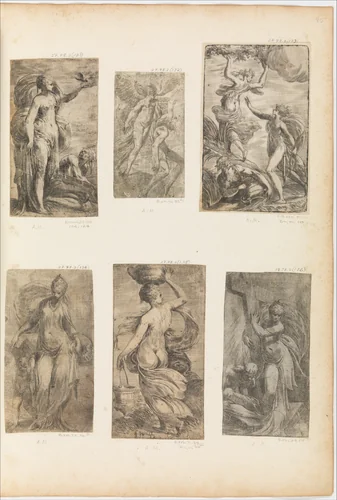
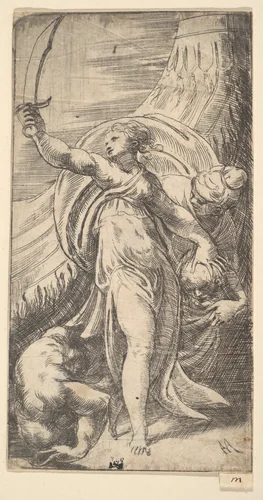
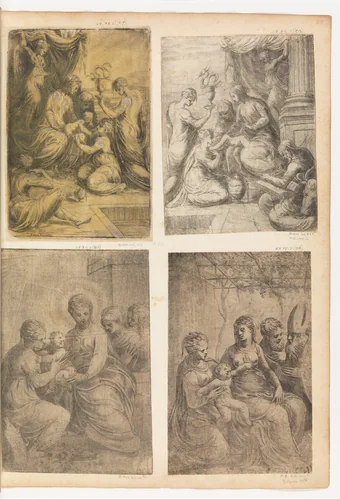
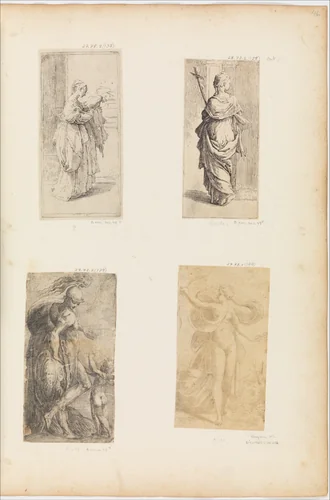
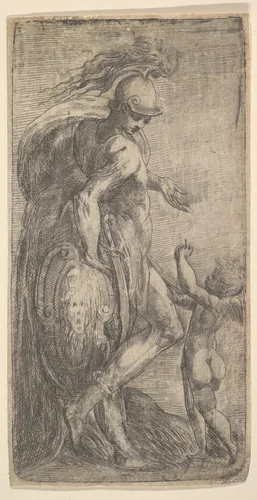
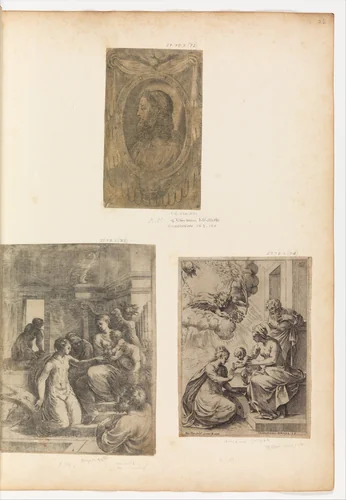
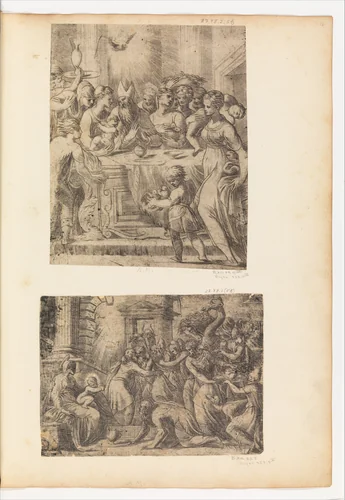
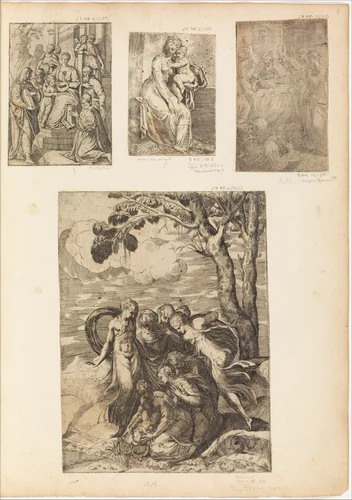
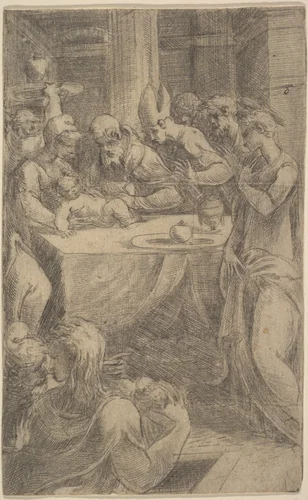
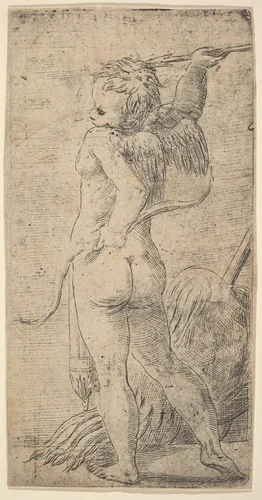
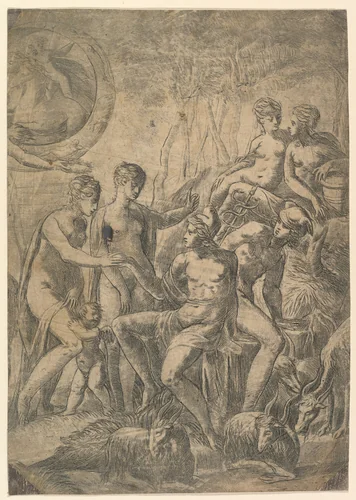
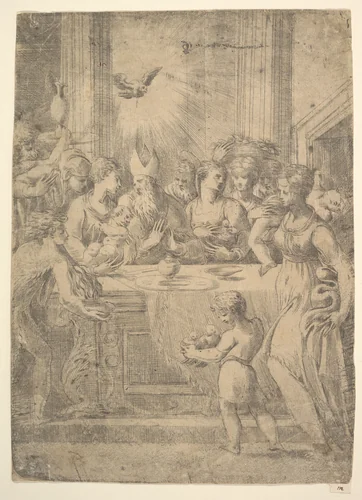
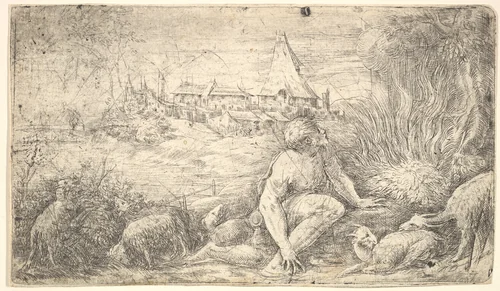
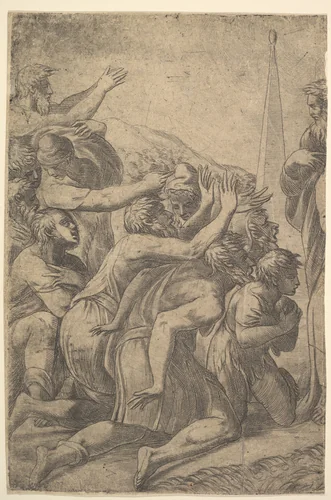
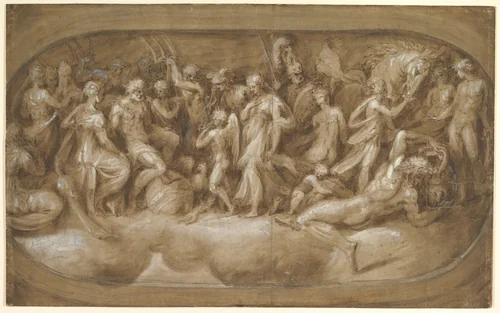
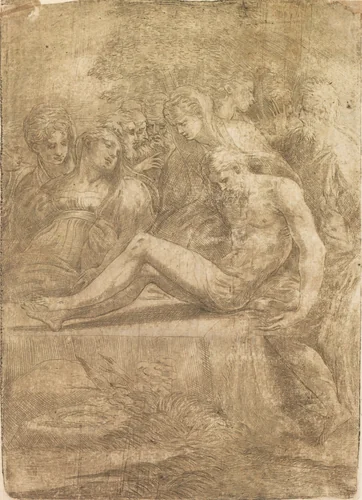
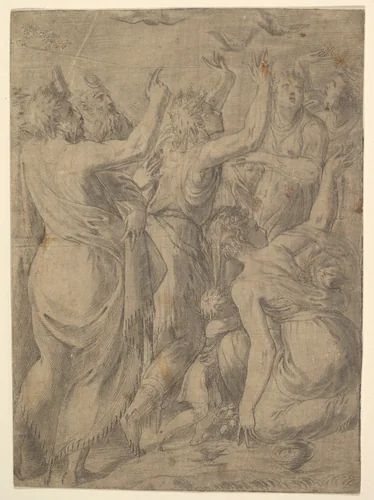
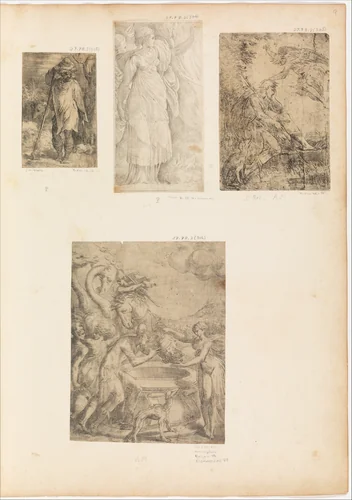
Schiavone was also a fundamental innovator in printmaking, specifically etching, introducing the medium’s potential for gestural freedom and experimentation to the Venetian school. His small corpus of etchings, alongside drawings such as the complex study Mars and Cupid (recto); Female Standing Figure with a Helmet and a Shield (Bellona?) (verso), reveals a draftsman capable of both mythological grandeur and tender intimacy, as seen in works like Holy Family with Saints. This ability to translate the spontaneous energy of his brushstrokes onto the copper plate made him a highly influential figure for the next generation of artists seeking expressive alternatives to traditional engraving.
Today, his legacy is preserved in major institutions, including the Metropolitan Museum of Art, which holds a core collection of his prints and drawings. His diverse output, ranging from mythological compositions like Minerva and the Muses to devotional subjects, ensures his status as a key transition figure. The availability of high-quality prints ensures that the legacy of this essential, if sometimes overlooked, figure remains accessible, with many of his defining works now existing in the public domain.
Source: Wikipedia · CC BY-SA 4.0