Andrea Scacciati
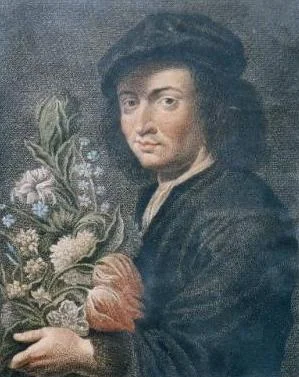
Andrea Scacciati stands as a significant, though specialized, contributor to the late Italian Baroque tradition. Active primarily between 1740 and 1766, his contemporary reputation rested largely upon his technical mastery of still life, specifically the demanding genre of fiori, or flower paintings. This specialization required a profound level of observational skill and a flair for theatrical composition, echoing the established visual dynamics of the preceding century.
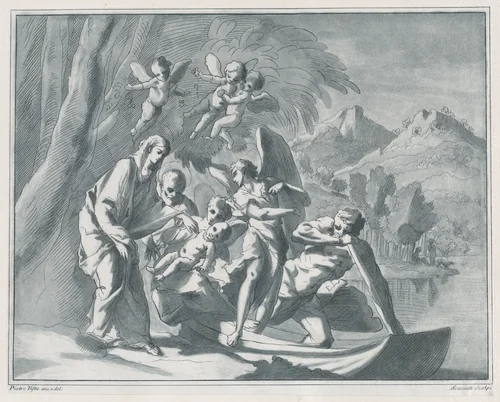
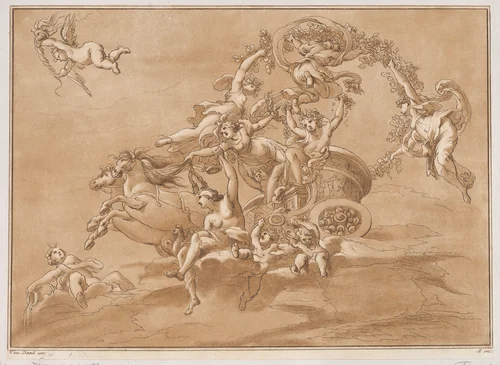
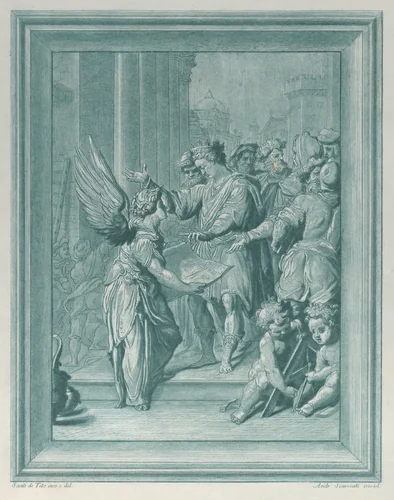
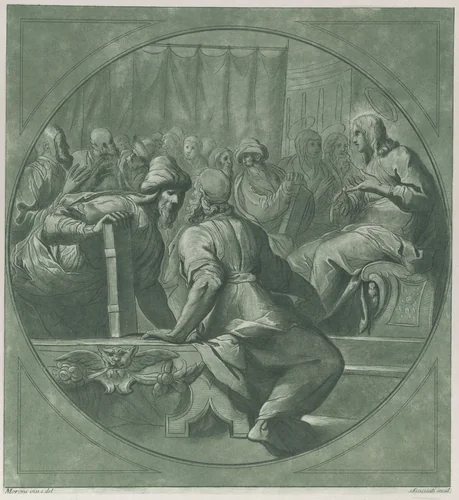
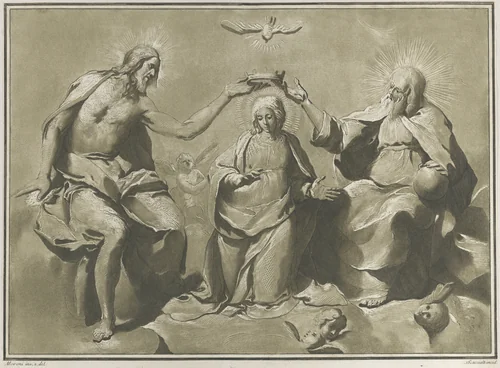
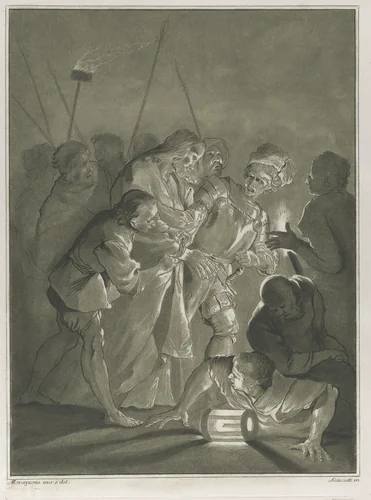
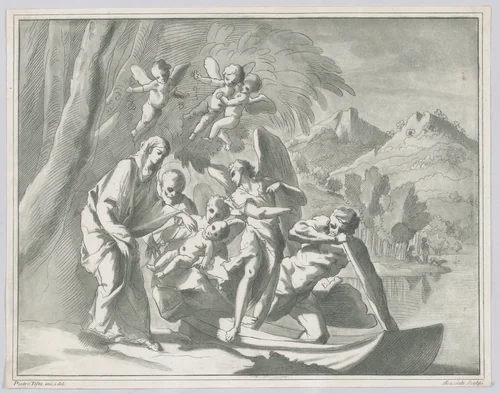
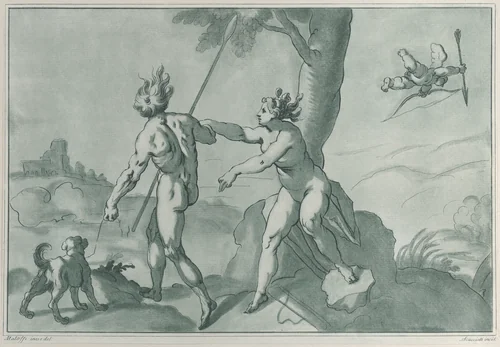
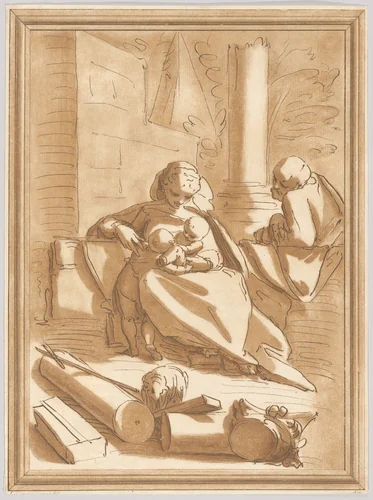
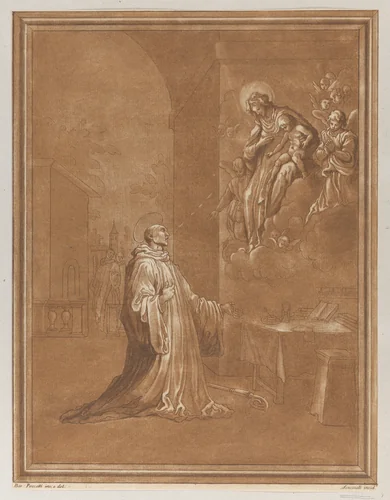
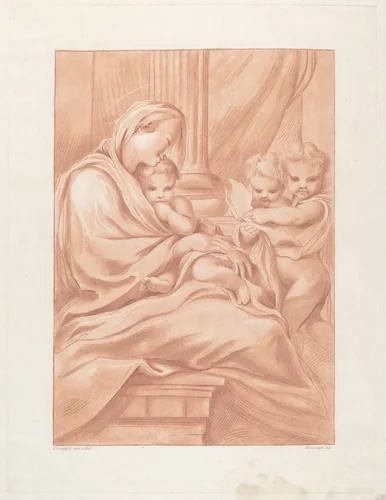
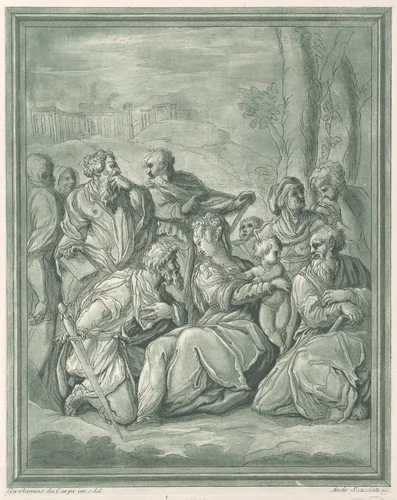
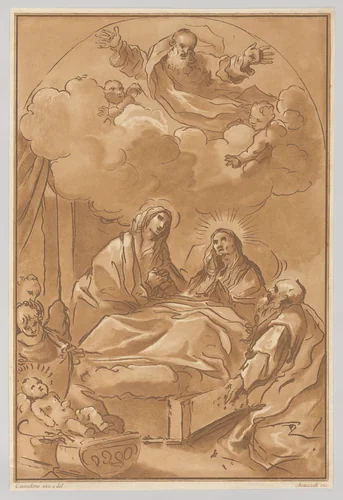
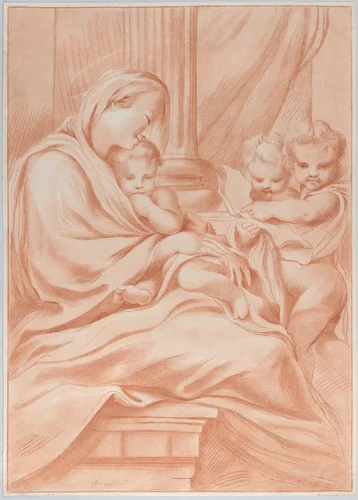
While historical accounts emphasize his prowess with blooms, the surviving record, particularly the array of high-quality prints circulated after his original works, demonstrates a far broader command of subject matter. Known prints, often collected and reproduced, illustrate complex narrative scenes drawn from scripture and classical mythology. These include the quiet drama of The rest on the Flight into Egypt, the sophisticated classicism of A goddess in a chariot, and the dense, intellectual tension of Christ confounding the doctors. It is intriguing to note that for an artist celebrated primarily for stationary floral arrangements, his documented print output is dominated by dynamic, often crowded, figural compositions, suggesting that his studio practice encompassed traditional religious and mythic commissions alongside his renowned specialty.
Scacciati’s technical rigor ensured the collection of his output by major institutions. Today, surviving examples of Andrea Scacciati paintings and, more commonly, reproductive prints, are housed in collections such as the Metropolitan Museum of Art and the National Gallery of Art. The accessibility of this work, often distributed as museum-quality prints, was crucial in cementing his international reputation. Because many of these historical documents now reside in the public domain, the precise detail and robust line work characteristic of Andrea Scacciati prints remain available for study and enjoyment, ensuring his continued scholarly relevance nearly three centuries after his active period.
Source: Wikipedia · CC BY-SA 4.0