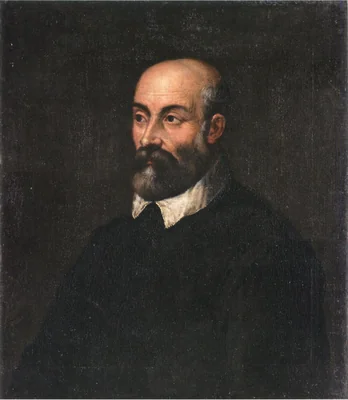
Andrea Palladio
Andrea Palladio (1508-1580) was a seminal Italian Renaissance architect whose theoretical writings and meticulously detailed built works established the foundational principles of classical architecture for centuries. Active primarily within the affluent Venetian Republic, his architecture represented the ultimate synthesis of rational design and classical ideals, heavily informed by the surviving monuments of Rome and the precepts laid out in the ancient treatise by Vitruvius. He is universally recognized as one of the most influential figures in architectural history, shaping subsequent movements across Europe and North America.
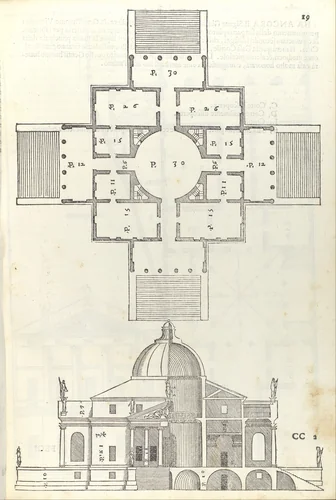
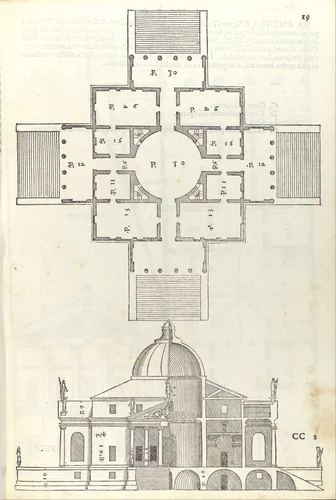
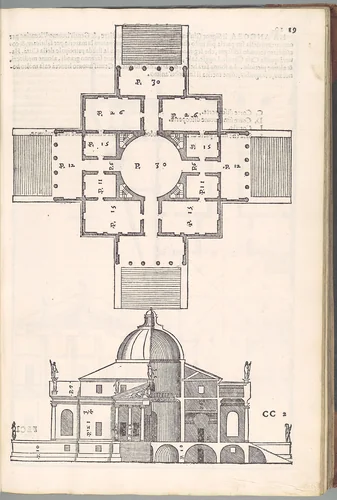
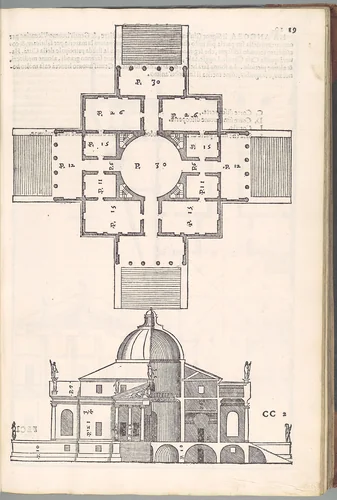
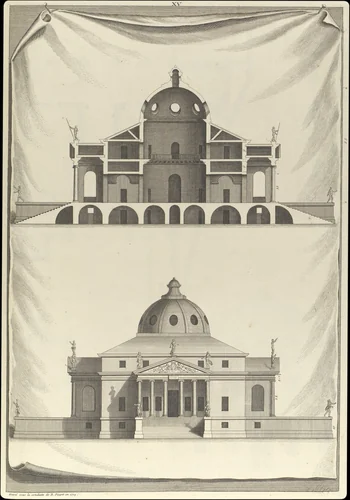
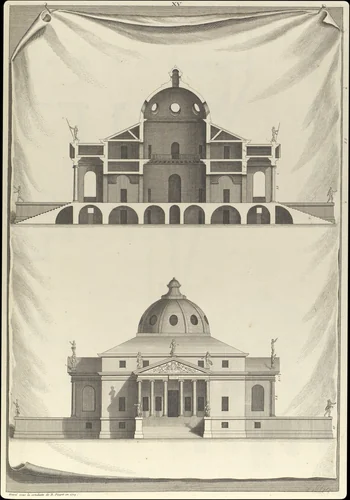
While Palladio lent his hand to important ecclesiastical structures and civic palaces, his most definitive contribution lies in the design of the rural villa. Structures such as Villa Barbaro and the perfectly proportioned Villa Almerico (Villa Rotunda) redefined how domestic space could incorporate majestic classical scale and mathematical harmony. These country houses integrated functionality with a strict adherence to symmetry and proportional control, features that ensured their enduring appeal across diverse geographical and social contexts.
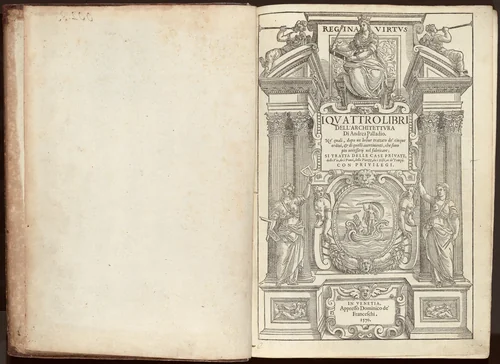
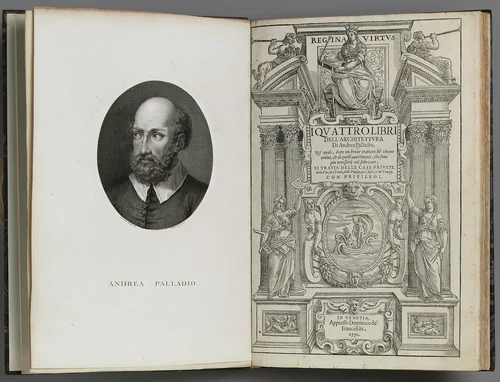
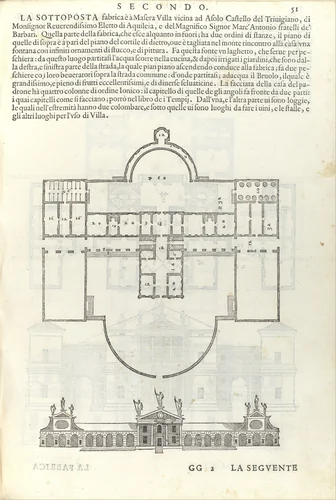
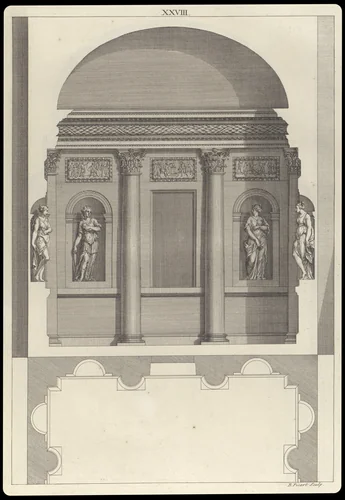
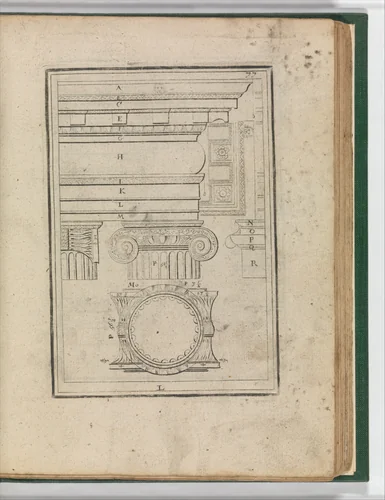
The transmission of Palladio’s unique methodology was secured by his masterwork, the architectural treatise I Quattro Libri dell'Architettura (The Four Books of Architecture), first published in 1570. This comprehensive volume, covering everything from the proper use of the Five Orders to specific designs for bridges, townhouses, and temples, became the essential pattern book for architects across the globe. The rigorous and clear presentation of his plans and elevations ensured his continued relevance long past his lifetime, fueling the international movement known as Palladianism.
It is a curious fact of architectural history that Palladio’s theoretical impact on the built environment of Britain and the American colonies rivals that of any architect who actually worked there. His principles remain highly valued for their timeless elegance and inherent stability. Today, the original detailed plates from I Quattro Libri, which remain crucial for understanding his genius, have largely entered the public domain, allowing institutions like the Metropolitan Museum of Art and the National Gallery of Art to provide royalty-free downloadable artwork, thus extending access to his foundational vision. The continuing study of these plans is facilitated by the availability of high-quality prints derived from the original 16th-century engravings.
Source: Wikipedia · CC BY-SA 4.0