Andrea Lilio
Andrea Lilio (active c. 1555-1600) was a distinguished Italian painter whose origins profoundly influenced his identification within art historical discourse. Born in the Adriatic port city of Ancona, he became commonly known by the regional appellation L'Anconitano. This identifier signals not merely his birthplace but the specific artistic milieu that informed his training and sustained his career through the late sixteenth century, a period marked by the sophisticated transition from late Mannerism toward the emerging Baroque style.
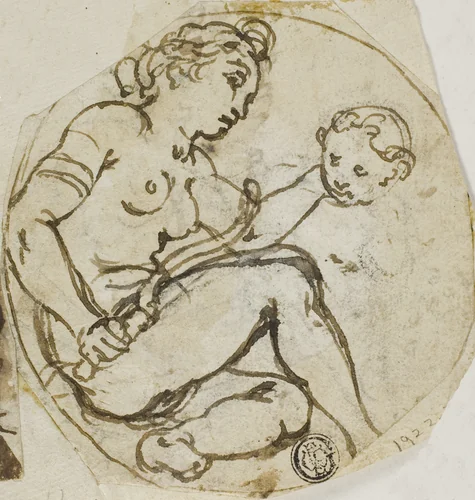
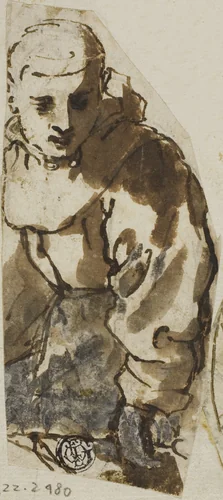
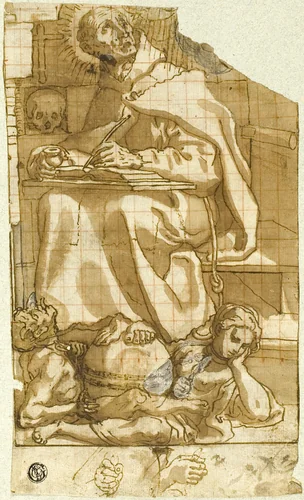
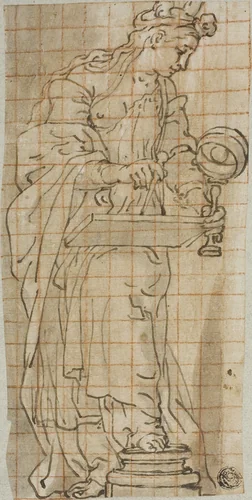
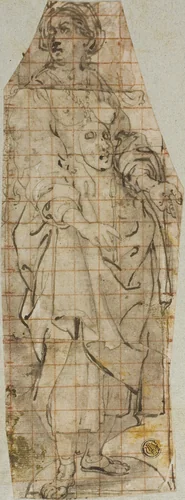
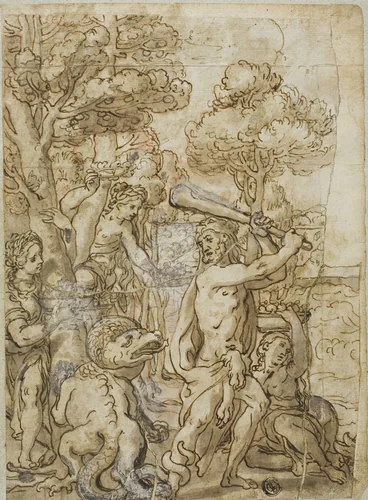
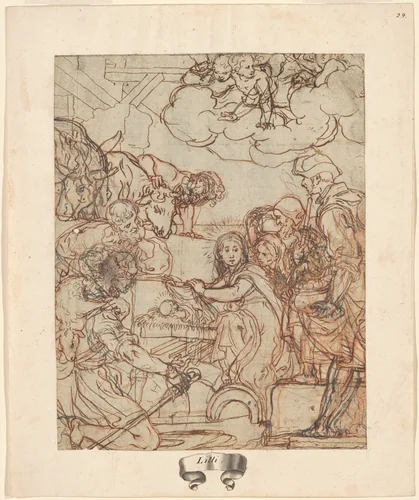
Although archival records indicate a productive career encompassing commissions for large-scale Andrea Lilio paintings, his surviving legacy is predominantly defined by an accomplished corpus of preparatory and finished drawings. Numbering around a dozen confirmed items, these sheets demonstrate a precise and elegant mastery of figure studies, typical of established draftsmanship practices of the era. His work is invaluable for understanding the compositional methodologies employed by artists working just before the turn of the seventeenth century.
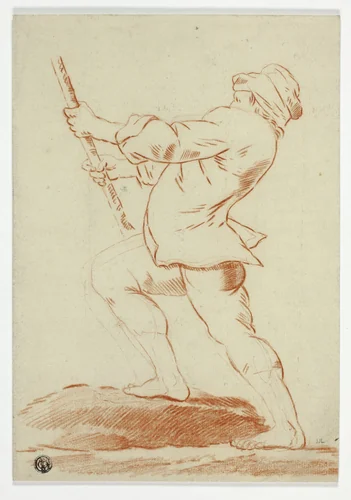
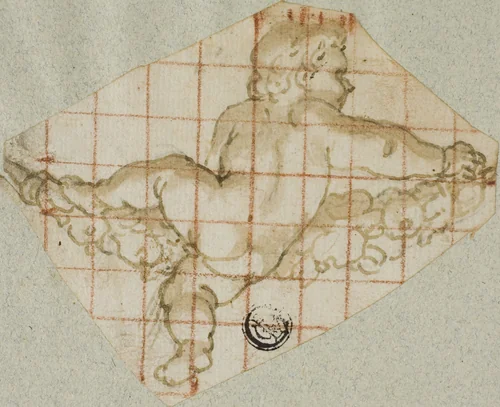
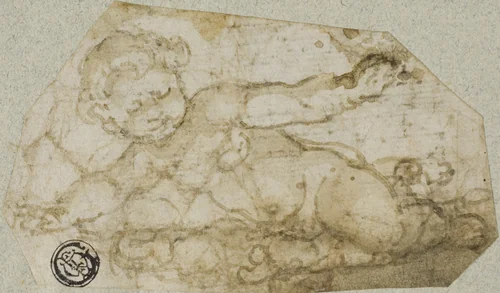
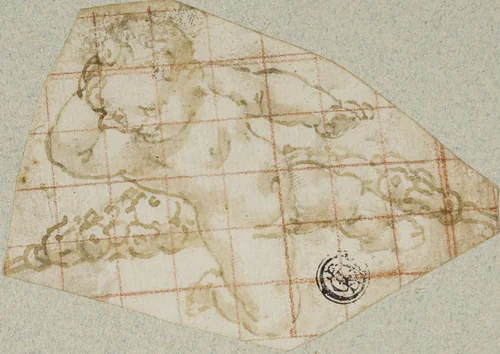
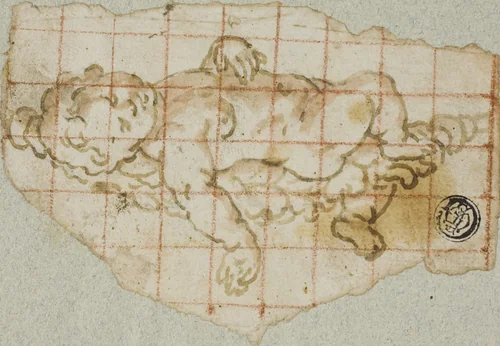
Lilio excelled particularly at rendering the youthful figure, often repeating successful compositions with minor adjustments. His primary surviving subject is the putto, a crucial motif in both Mannerist and Baroque iconography. Examples such as the expressive Boy Holding Staff and the recurring variations titled Putto with Garland illustrate the artist’s characteristic attention to anatomical detail and kinetic energy.
It is telling that the vast majority of these known drawings are now safeguarded within preeminent American institutions, including the National Gallery of Art in Washington D.C. and the Art Institute of Chicago, testifying to their enduring museum-quality value and historical weight. The proliferation of surviving Putto with Garland studies suggests that either the motif was immensely popular with his patrons, or perhaps Lilio simply enjoyed refining the form to perfection, a minor obsession revealed through the sheer volume of these energetic, cherubic forms. His legacy today is preserved through these sheets, which offer essential insight into a painter whose primary finished works have largely been lost to time. As many of these important historical artifacts now reside in the public domain, they are increasingly accessible as downloadable artwork, allowing scholars and enthusiasts worldwide to study high-quality prints of Lilio’s sophisticated draftsmanship.
Source: Wikipedia · CC BY-SA 4.0