Andrea Briosco
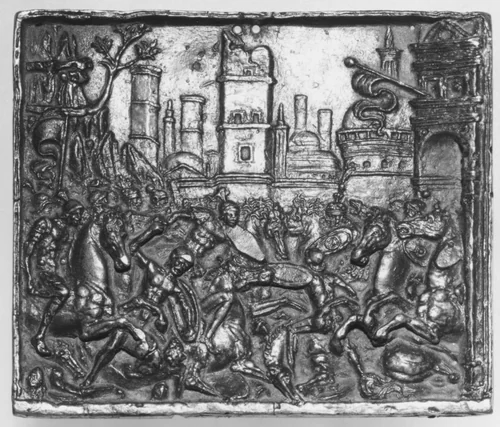
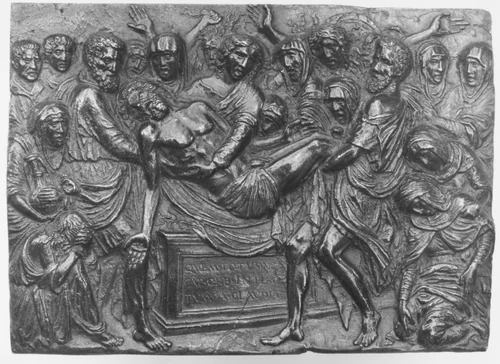
Andrea Briosco, known throughout history by the sobriquet Il Riccio, or "the curly one," was a definitive master of the small bronze during the Italian High Renaissance. Active between 1470 and 1517, Briosco’s true significance lies not merely in his technical skill but in his ability to translate the monumentality of classical sculpture into intimate, domestic objects.
While Briosco occasionally functioned as an architect, his primary contribution to art history is rooted in his exquisite metalwork. He specialized in functional, yet lavishly detailed pieces such as inkwells, elaborate door knockers, and fire-dogs. These objects transcend mere utility, becoming exquisitely sculpted decorations designed in a distinctly classicizing style. His ability to imbue commonplace items with the aesthetic gravity of antiquity established a new standard for sculptural décor in Northern Italy. This emphasis on refinement and complex narrative detail is why his surviving works are highly sought after and frequently replicated as museum-quality reproductions.
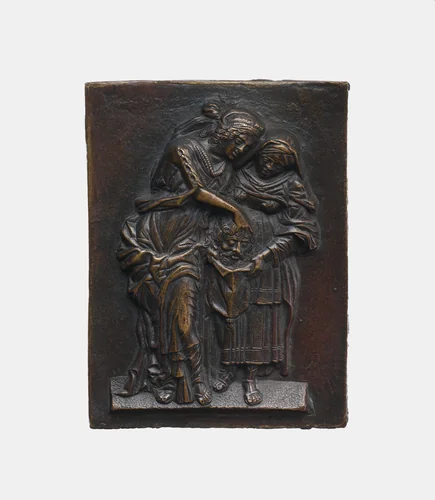
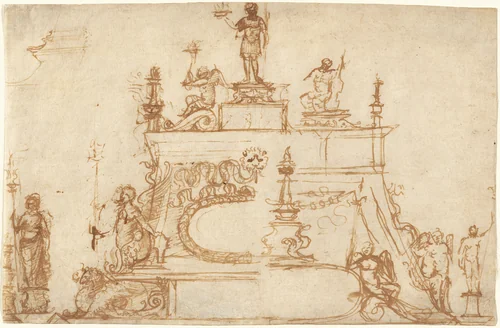
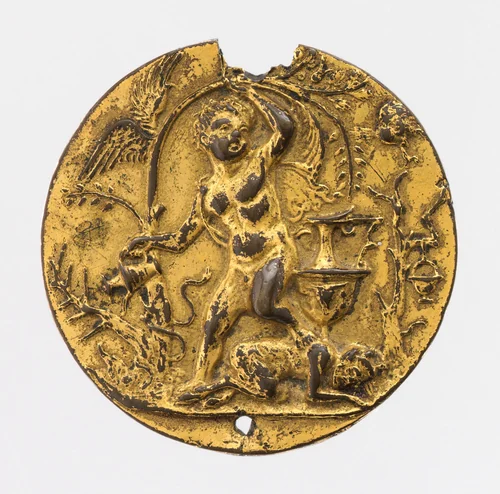
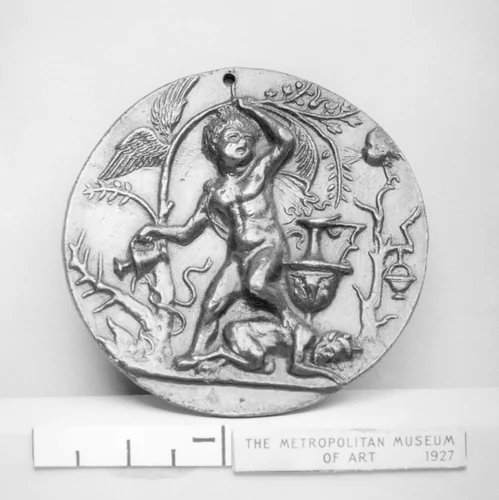
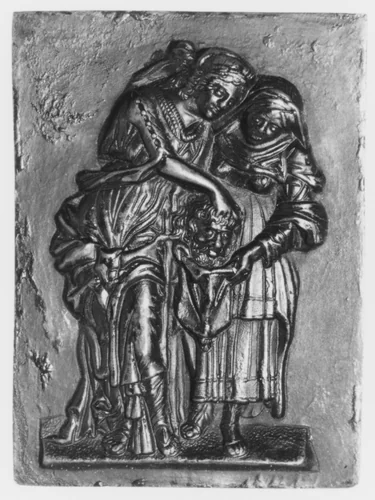
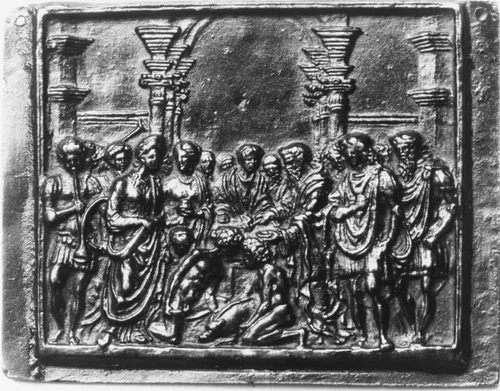
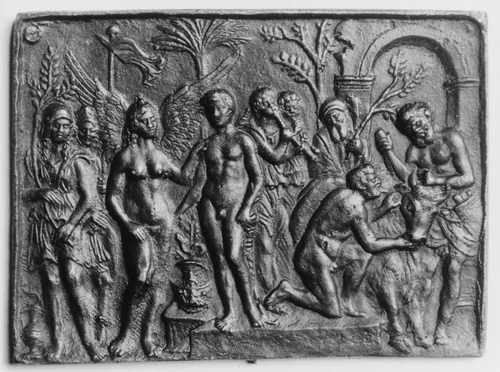
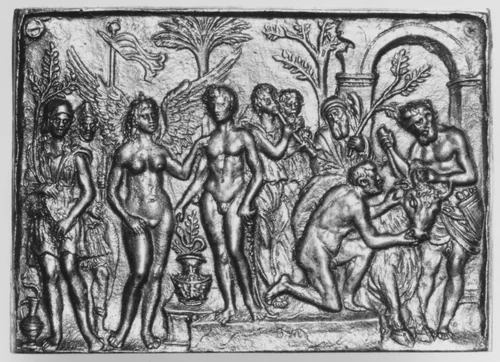
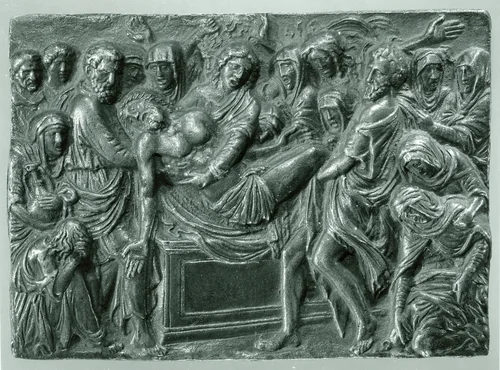
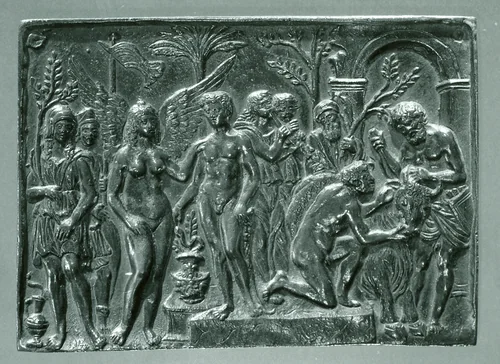
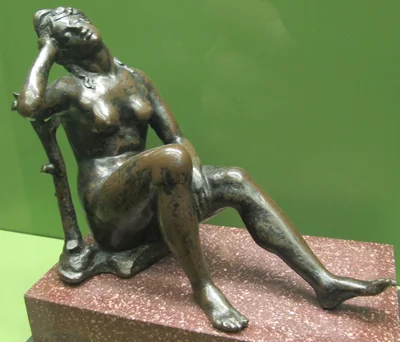
His work demonstrates a profound intellectual engagement with classical motifs, combining archaeological rigor with a vibrant personal execution. The meticulous finish and sophisticated narrative complexity are evident across his known oeuvre, including the powerful relief Judith and the illustrative Allegory of Virtue. His preparatory designs, such as Studies for Small Bronzes with Classical Motifs, reveal a dedication to detail that extended even to the smallest elements of his compositions. Indeed, the creation of a miniature scene or figure, such as the naturalistic observation demonstrated in Two lizards, placed Briosco in a unique position where the sculptor's labor was hidden within the function of the object itself.
Briosco's legacy endures through his subtle yet powerful influence on subsequent generations of sculptors who embraced miniature classicism. His pieces, though small in scale, carry the intellectual weight of the Renaissance ideal. Today, the enduring fascination with his work is reflected in its presence in major institutions, including the Metropolitan Museum of Art and the National Gallery of Art. Many of the preparatory sketches and studies relating to the works of Andrea Briosco are available as downloadable artwork, ensuring that the details of his precise modeling and high-quality prints remain accessible to international scholarship.
Source: Wikipedia · CC BY-SA 4.0