Andrea Appiani
Andrea Appiani, often referred to as ‘the elder’ to distinguish him from his great-nephew and namesake who later painted historical subjects in Rome, stands as one of the pivotal Italian artists of the Neoclassicism movement. Active from the mid-eighteenth century until 1811, Appiani’s distinguished career embodied the era’s turn toward rational structure, antique idealism, and clear, dramatic composition. His influence was felt across painting, printmaking, and drawing, confirming his mastery of diverse media necessary for the grand commissions of the time.
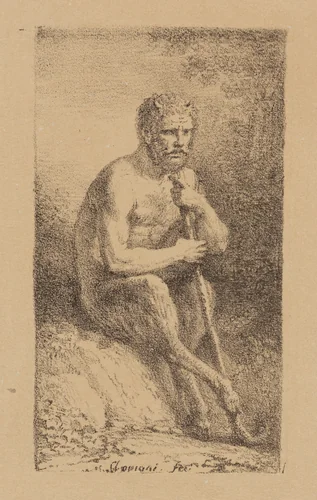
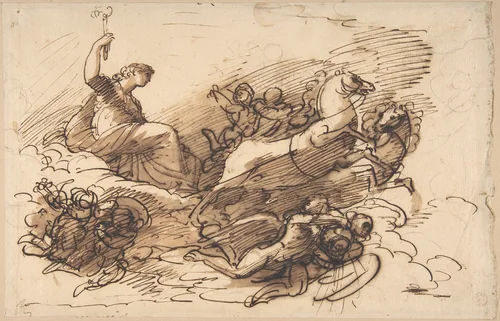
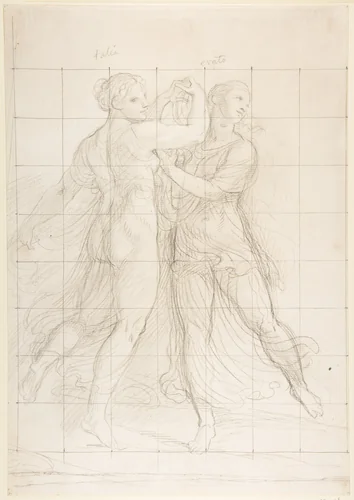
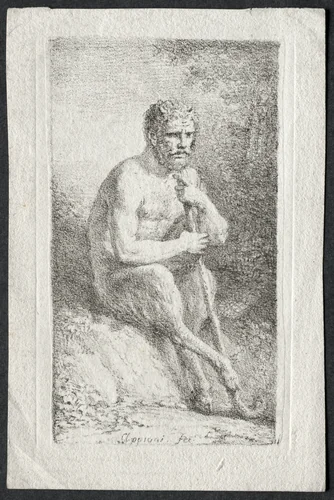
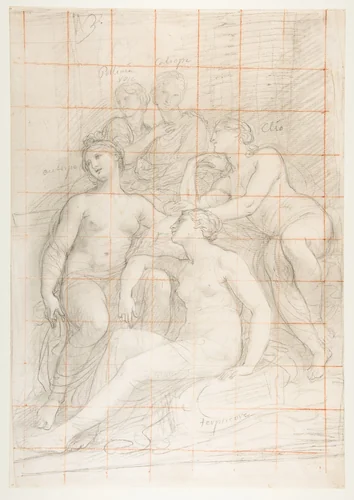
Appiani’s artistic output reflects the characteristic precision and polished execution demanded by the revival of classical standards. While he excelled in monumental fresco cycles, his surviving corpus of smaller works provides crucial insight into his methodology and draftsmanship. These pieces range from vigorous mythological narratives, such as the dynamic celestial rendering Aurora Riding in Her Chariot, to compositions focused on idealized human figures, including The Muses Thalia and Erato and the evocative study A Satyr Seated in a Landscape.
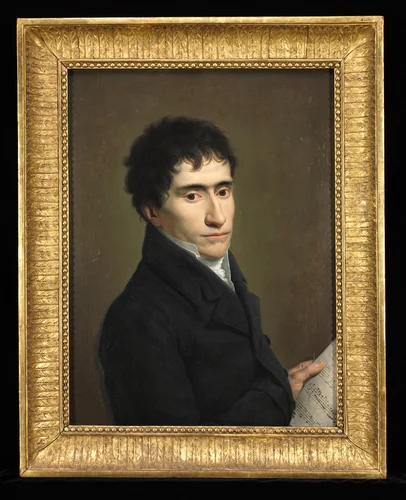
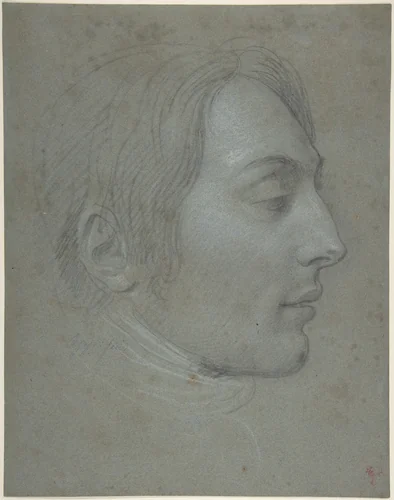
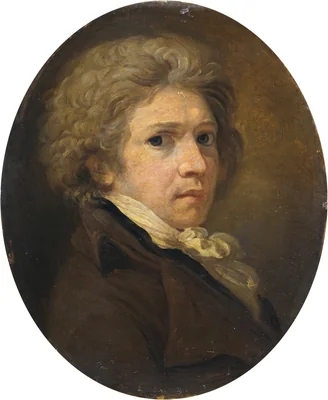
Significantly, Appiani was a celebrated portraitist, capturing the defining personalities of the tumultuous Revolutionary and Napoleonic periods. His detailed preparatory works, like the Study for the Portrait of General Desaix, reveal his ability to combine official gravity with acute individual characterization. This technical virtuosity helped cement his reputation across Europe, ensuring his work remained relevant even as political tides shifted. Indeed, it is through these refined studies and finished works that the rigor of the Neoclassicism style finds its clearest expression.
Today, Appiani’s legacy is preserved through key international institutional benchmarks. Works including four important drawings, two prints, and a painting are held in major institutions like the Metropolitan Museum of Art, the National Gallery of Art, and the Cleveland Museum of Art, confirming his status as a master draftsman. Because many of Appiani’s sketches and Andrea Appiani paintings are now in the public domain, art enthusiasts can easily access high-quality prints that showcase his remarkable technical skill and enduring classical vision. Appiani’s work remains essential for understanding the transition from Enlightenment philosophy to the grand artistic narratives of the early nineteenth century.
Source: Wikipedia · CC BY-SA 4.0