Andrea Andreani
Andrea Andreani (1540–1623) stands as a foundational figure in the history of sophisticated Italian printmaking, active primarily between 1568 and 1585. A native of Mantua, he distinguished himself by focusing almost exclusively on the woodcut medium, but elevated it far beyond simple black-and-white linear reproduction.
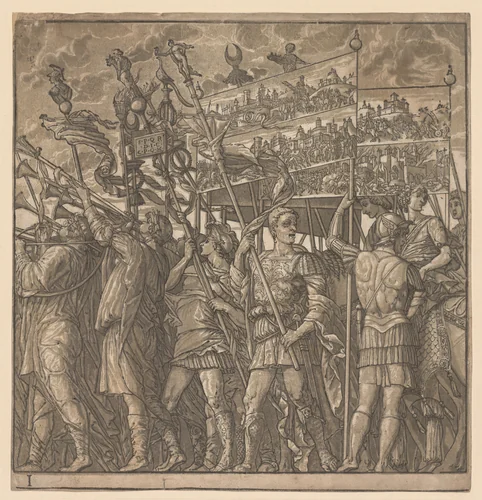
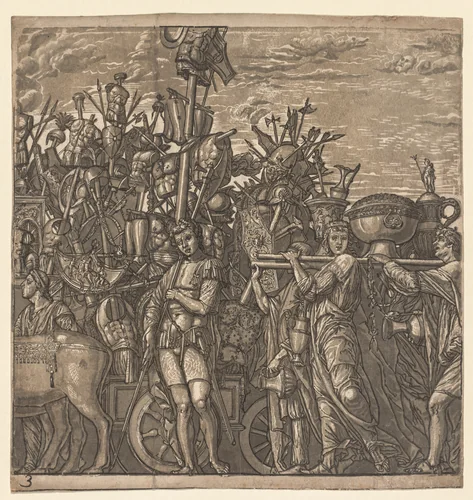
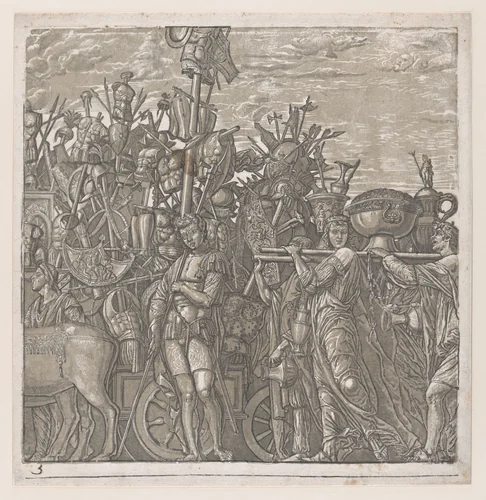
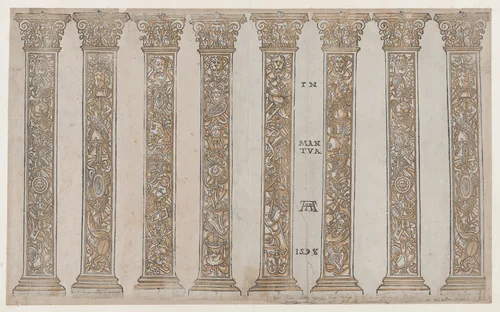
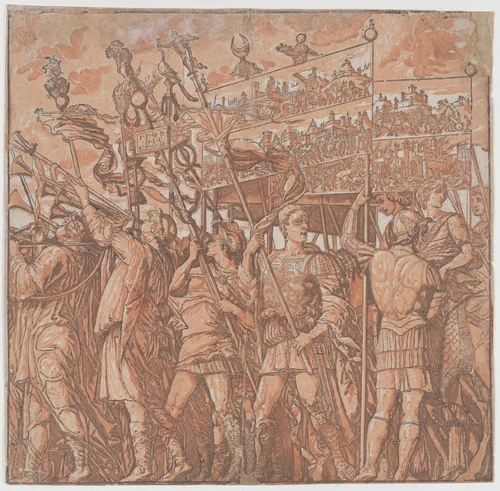
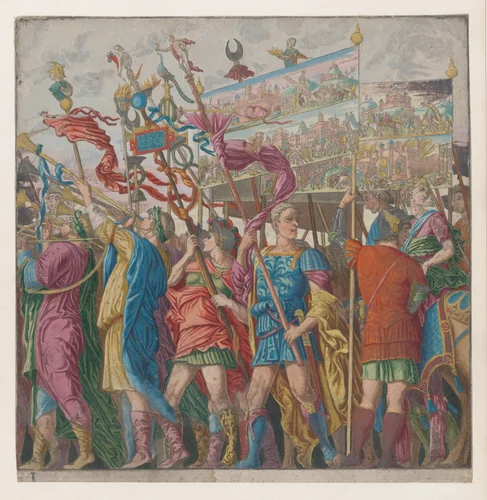
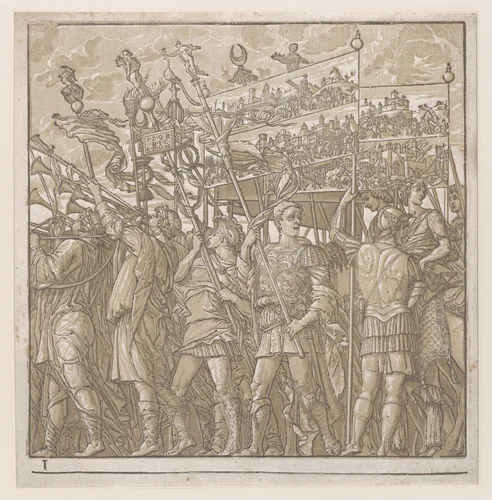
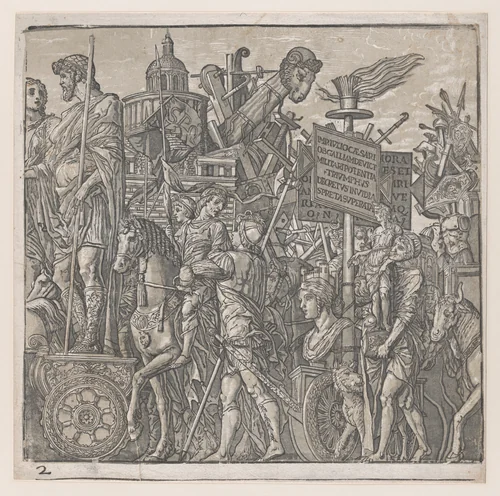
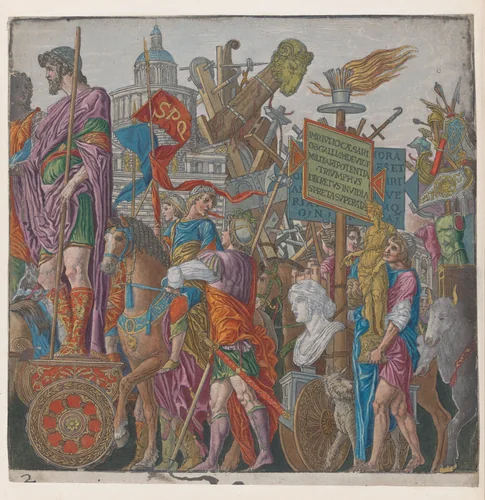
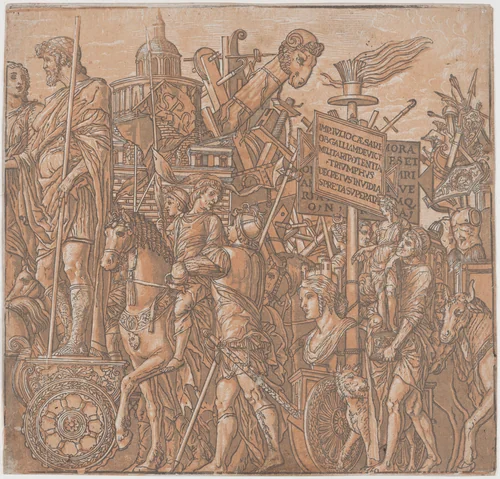
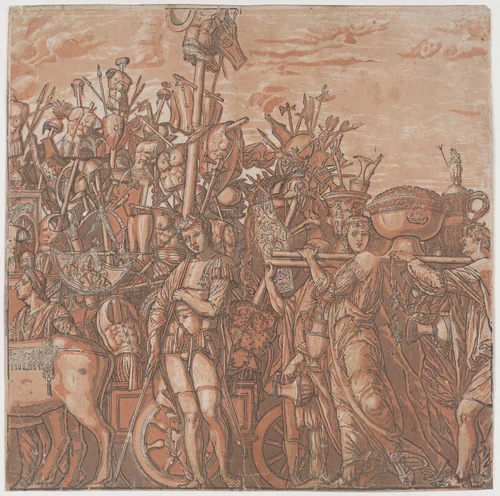
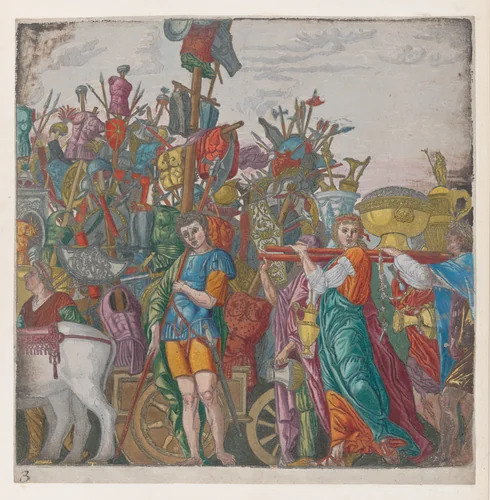
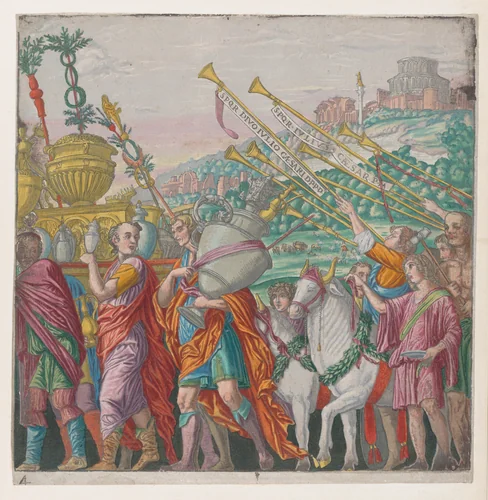
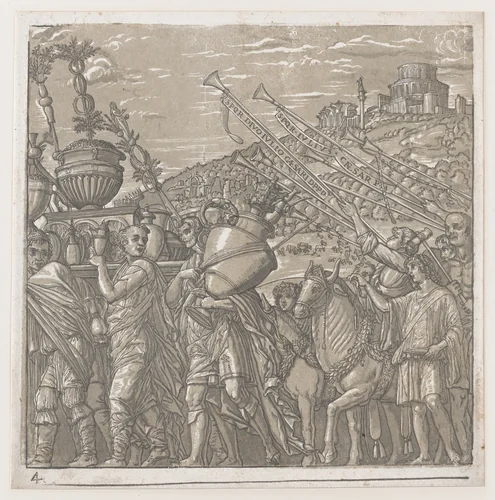
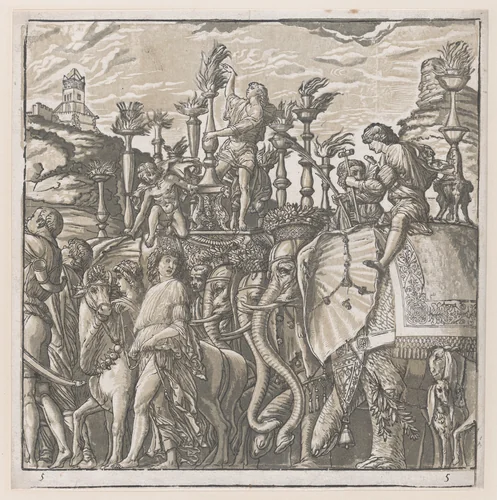
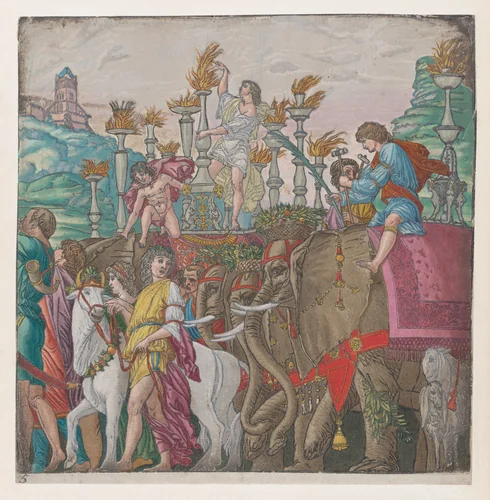
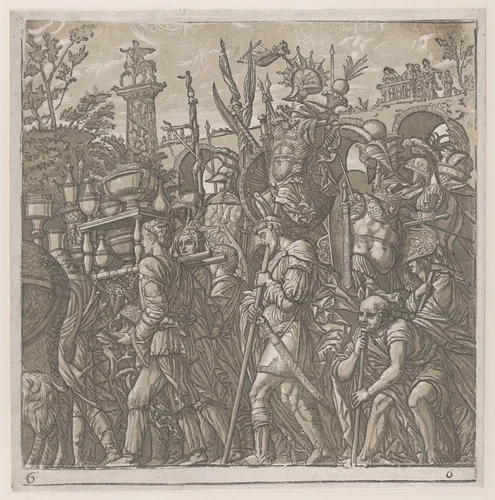
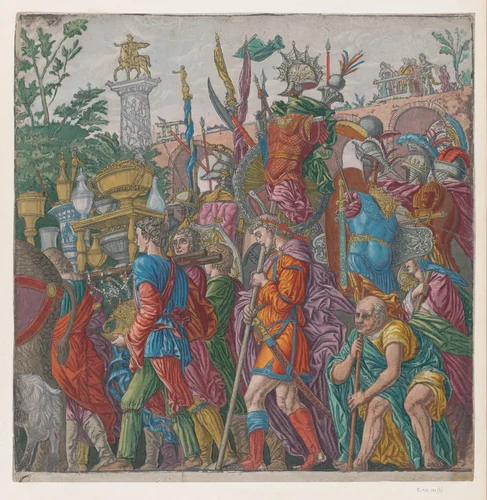
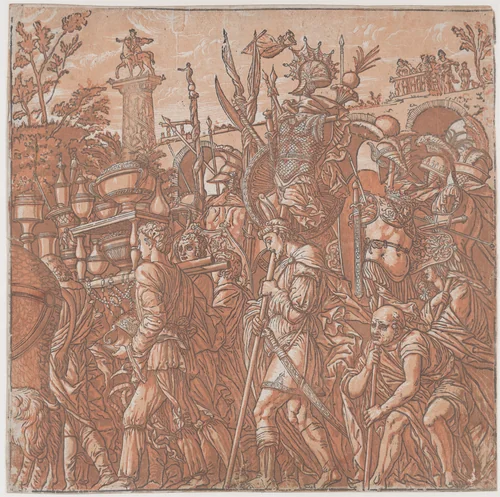
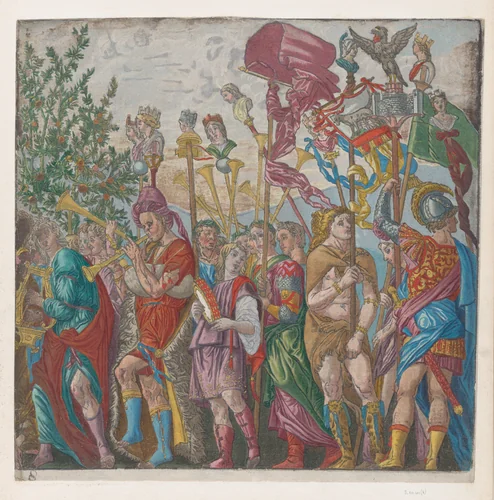
Andreani was among the first Italian practitioners to fully embrace and refine the chiaroscuro woodcut technique, an innovation requiring the painstaking alignment and printing from multiple, carefully carved woodblocks. These separate blocks provided the necessary gradations of tone and color, allowing the resulting print to simulate the effects of a wash drawing or a preparatory painting. This commitment to achieving subtle tonal variation in the inherently difficult woodcut medium decisively pushed the limits of Renaissance graphic art.
Andreani’s output, though focused—consisting of approximately fifteen known prints cataloged from his active period—showcases a mastery of complexity and monumental scale. A defining characteristic of his work is the ambitious rendering of grand religious and allegorical subjects, often translating compositions by masters like Titian or Parmigianino into the textural language of the woodcut. His skill is evident in series such as the detailed Aanbidding door de koningen (Adoration of the Magi) and, most notably, the comprehensive Triomf van Christus (Triumph of Christ). This latter series often comprised several large sections—referred to individually as the "vierde deel" (fourth part) or "achtste deel" (eighth part)—demonstrating his ability to manage intricate detail across expansive formats.
While many early printmakers utilized the medium as a stepping stone toward fame in painting, Andreani committed himself fully to the technical requirements of the demanding woodcut, securing his legacy through meticulous craftsmanship rather than broad artistic versatility. Today, his work is held in major institutional collections, including the Metropolitan Museum of Art, the Rijksmuseum, and the Art Institute of Chicago. Ensuring continued access to his legacy, many Andrea Andreani prints have entered the public domain, guaranteeing that these museum-quality images remain widely available as downloadable artwork for scholars and enthusiasts worldwide. His pioneering dedication to the multi-block chiaroscuro process ensures his pivotal place in late Renaissance graphic arts.
Source: Wikipedia · CC BY-SA 4.0