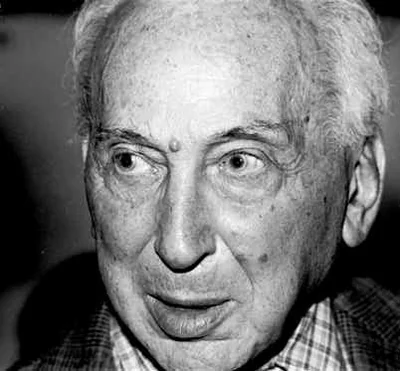
André Kertész
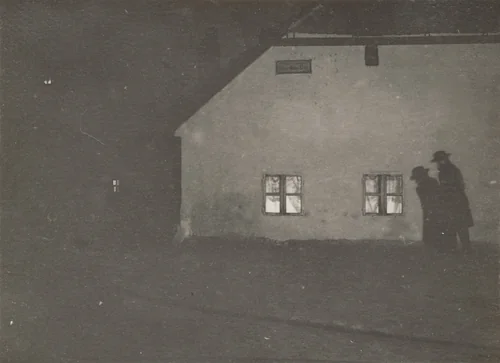
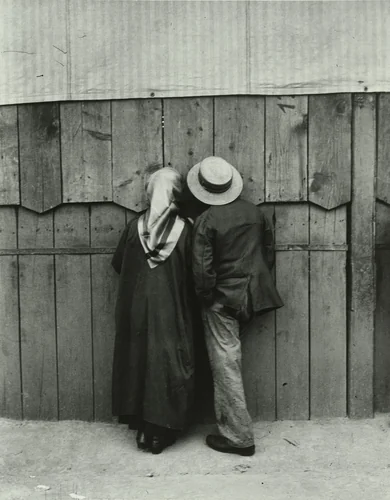
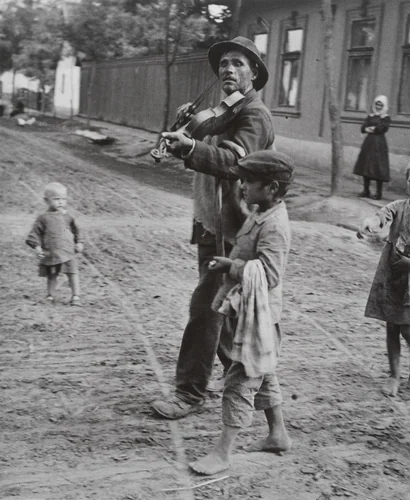
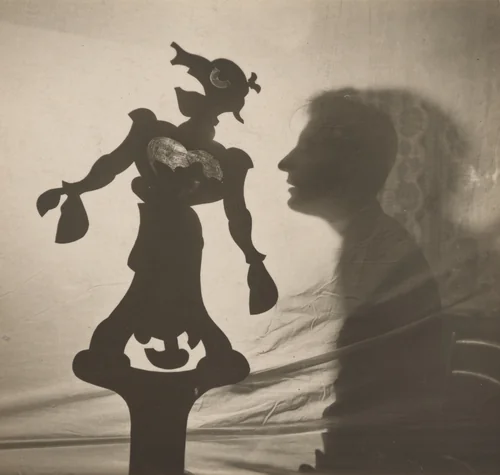
André Kertész, born Andor Kertész (1894-1985), is deservedly considered one of the seminal figures of 20th century photography. This Hungarian-born master fundamentally altered visual perception through his pioneering contributions to composition and the development of the photographic essay. His early career, documented between 1914 and 1926, already contained the essential elements of his mature style, characterized by a searching, deeply humanist perspective.
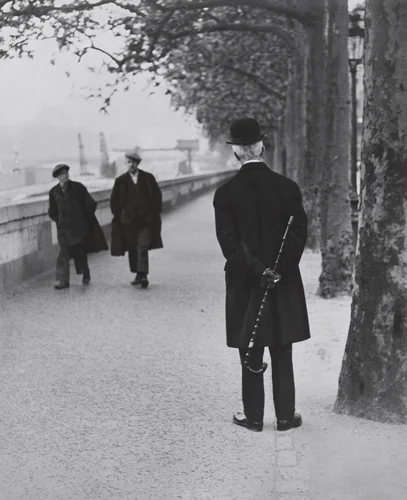
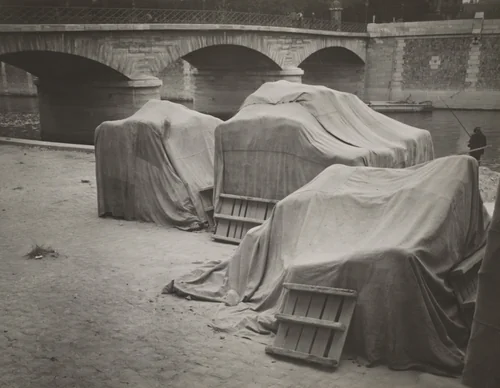
During this formative period in Hungary, Kertész engaged in a radical departure from contemporary aesthetic norms. His approach employed highly unorthodox camera angles and dynamic viewpoints, granting his compositions a revolutionary energy that often perplexed the artistic establishment. Photographs such as Bocskay-tér, Budapest and the evocative Blind Musician demonstrate this innovative technique, transforming everyday scenes into sophisticated visual meditations. He frequently used the handheld camera to capture intimate, fleeting moments, paving the way for the development of documentary photography.
While this style ultimately defined modern photography, it often prevented Kertész’s work from gaining wider professional acclaim in his early years. There is a curious irony that, despite the vast global recognition he receives today, Kertész maintained an enduring personal conviction throughout his life that he never truly achieved the worldwide fame he deserved.
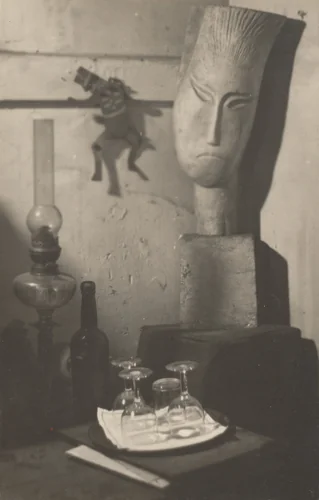
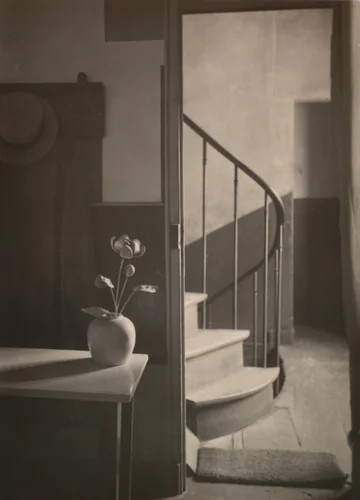
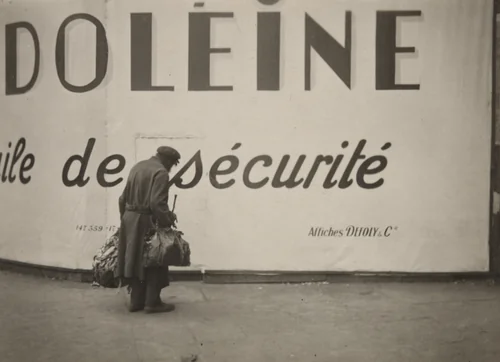
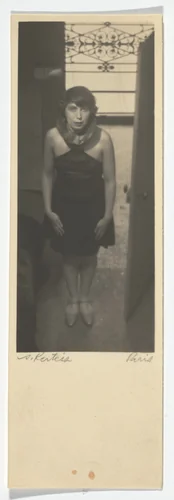
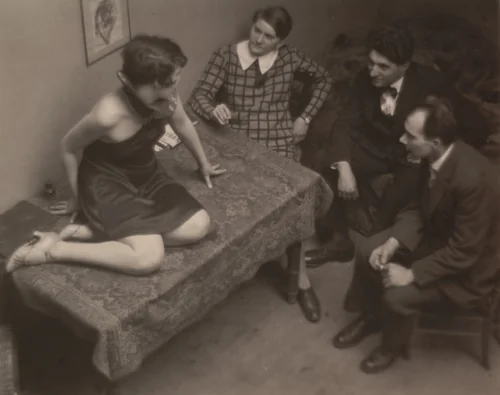
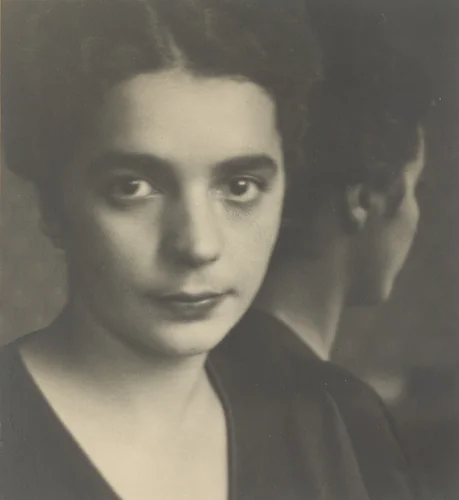
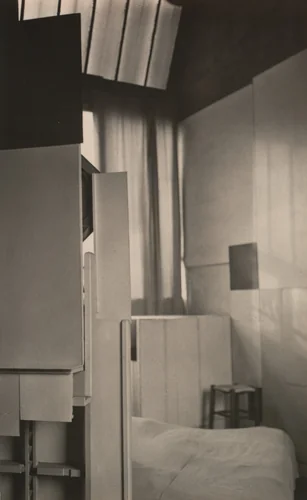
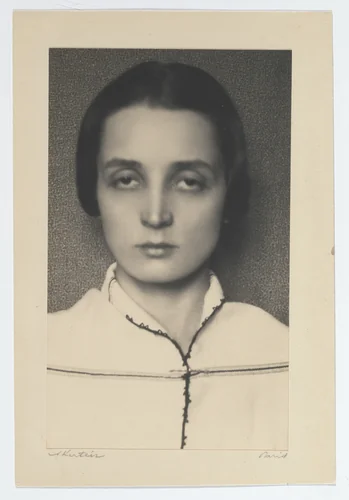
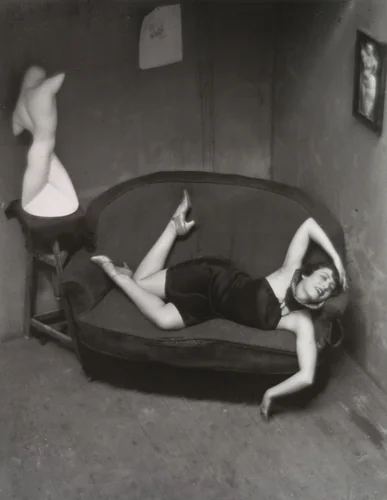
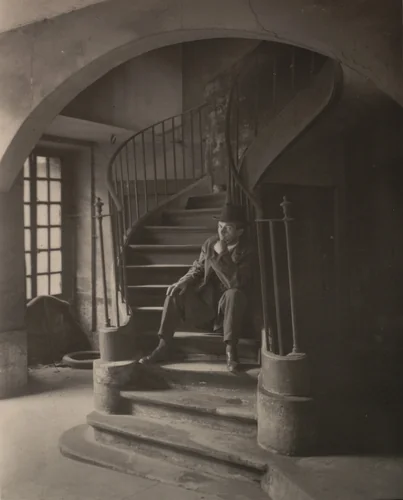
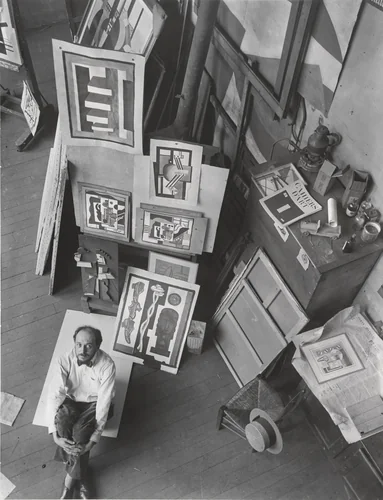
Kertész’s influence extended beyond mere technique; he elevated the simple snapshot into a meaningful, narrative art form. His legacy is secured by major institutions, including the Museum of Modern Art, which holds key examples of his oeuvre. The clarity and emotional depth of his vision, evident in works like At Zadkine's and Géza Blattner, cemented his standing as a master whose subtle genius rewired photographic language. Many of his essential images, now entering the public domain, are sought after by collectors and researchers alike. High-quality prints of these seminal works allow contemporary audiences to appreciate the artistry of André Kertész prints, ensuring his continued impact on visual culture.
Source: Wikipedia · CC BY-SA 4.0