André Dunoyer de Segonzac
André Dunoyer de Segonzac (1884-1974) holds a distinguished position within the trajectory of early 20th-century French art, recognized primarily as an accomplished painter and a foundational figure in modern graphic arts. Active during a crucial period between 1910 and 1928, his output focused heavily on meticulous prints, rigorous drawings, and illustrations, defining a style that combined classical precision with a modern, intimate sensibility.
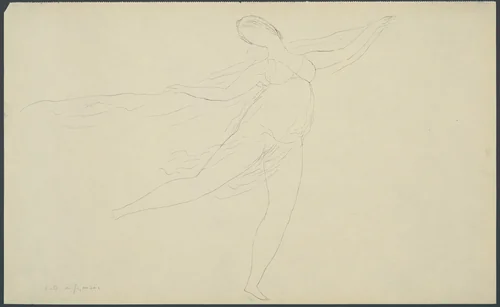
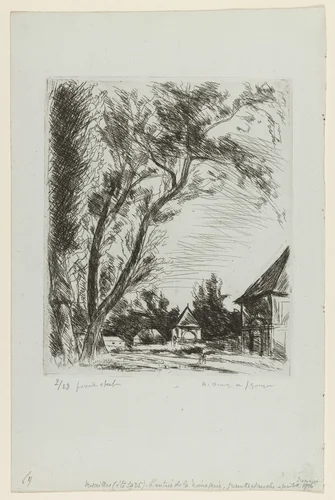
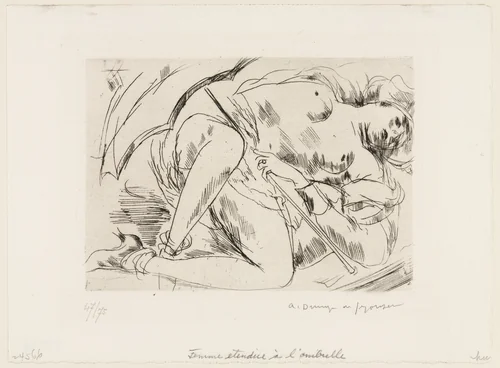
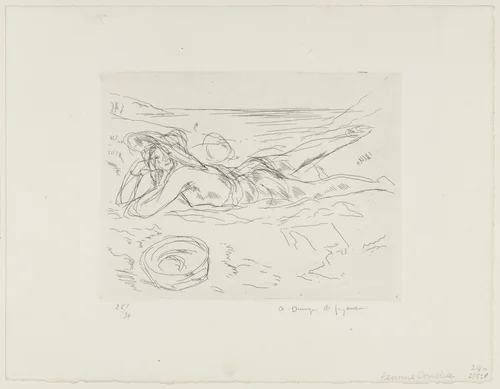
Segonzac’s practice favored observational realism, proving that profound visual poetry could be conveyed through understated composition. Working across etching and drypoint, he demonstrated a refined sensitivity toward light and volume, employing an economy of line that lent immediacy and weight to his subjects. This disciplined approach is evident across his known early catalog, which includes intimate reflections on personal tragedy and tribute, such as the print Souvenir of Isadora, alongside precise architectural studies.
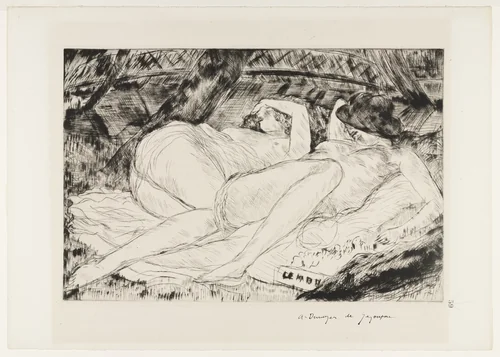
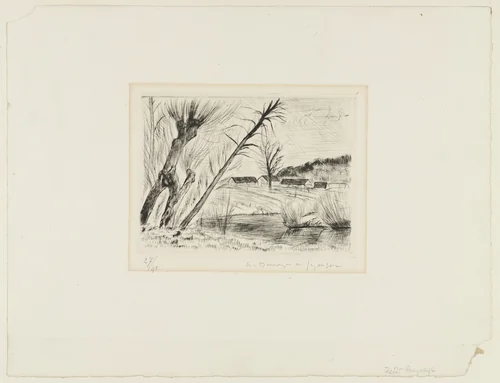
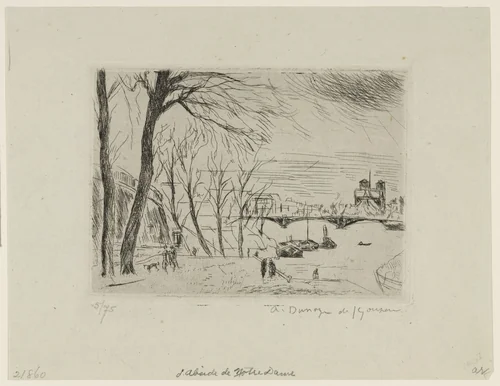
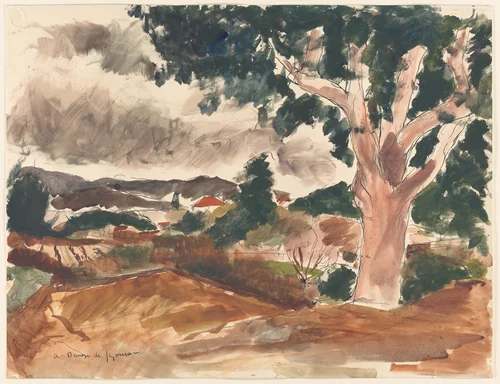
His subject matter was varied but intrinsically tied to place and human activity, ranging from the complex social observations presented in The Women of the Marne from the illustrated volume Architectures, to serene contemplations of environment, like Little Landscape. Whether rendering the grand scale of classical structures, as seen in The Apse of Notre Dame, or capturing the daily movement in prints such as Entrance to the Menagerie, Versailles, Segonzac maintained a resolute commitment to skilled draughtsmanship. A notable characteristic of his work is how he elevated the graphic medium, demanding it function with the visual richness often reserved for André Dunoyer de Segonzac paintings.
This sustained quality cemented his reputation as a favored illustrator for fine art publications, ensuring his legacy extends beyond individual canvases. Today, his early works are preserved in major collections, including the Museum of Modern Art, guaranteeing their status as museum-quality examples of printmaking from the era. Furthermore, many of his historically significant images now reside in the public domain, ensuring scholars and enthusiasts can access high-quality prints and downloadable artwork for study and appreciation globally.
Source: Wikipedia · CC BY-SA 4.0