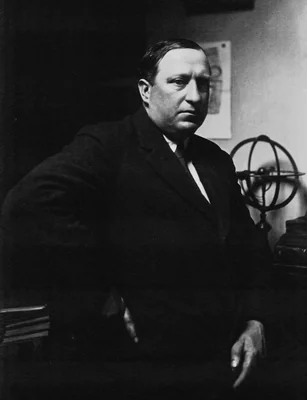
André Derain
André Derain (1880–1954) was a pivotal figure in the evolution of modern French art, most notably recognized as the co-founder, alongside Henri Matisse, of Fauvism. This revolutionary designation immediately places him at the nexus of the early twentieth-century shift away from Post-Impressionist restraint.
Derain’s artistic output during the crucial period of 1905–1906 was characterized by a radical and riotous colorism. Working rapidly in locations like Collioure, he employed pure, unmodulated pigments to construct vibrant images, exemplified by works such as Fishing Boats, Collioure and his dynamic series depicting the Thames, including Charing Cross Bridge. These early André Derain paintings were visually intense, cementing the movement's reputation for confronting, untamed use of color and earning the artists the famous moniker, ‘Wild Beasts’ (Fauves).
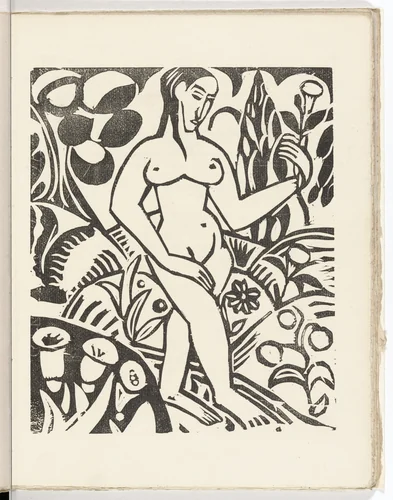
While the anarchic spirit of Fauvism proved exhilarating, Derain was never content to remain a perpetual revolutionary. A profound aesthetic restlessness led him toward calculated austerity. By 1910, his work pivoted sharply, abandoning high-key color in favor of compositions based on rigorous study of Paul Cézanne and the technical gravity of the Old Masters. This intellectual pivot suggested a deeper commitment to formal structure than many of his colleagues—a willingness to sacrifice momentary notoriety for enduring classical values. Works like Bacchic Dance illustrate this transition toward more weighty, earth-toned figuration, while drawings such as Staande naakte vrouw reveal his renewed dedication to line.
Following the First World War, this commitment to traditional forms placed Derain at the vanguard of the ‘Return to Order’ movement (Rappel à l'ordre). He emerged as a leader of this new classicism, focusing on figurative strength and measured composition, a phase critically important for anchoring the fractured post-war European art scene.
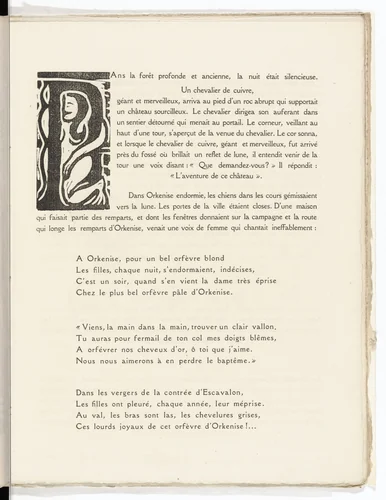
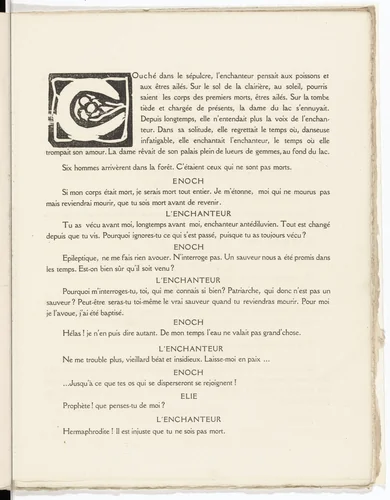
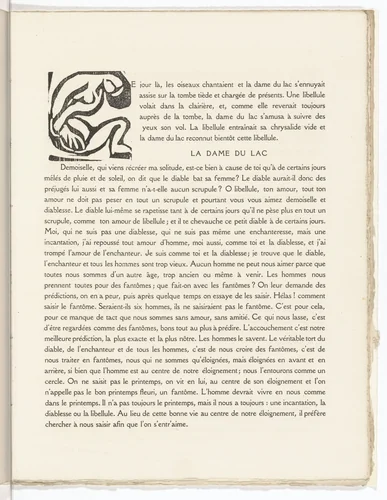
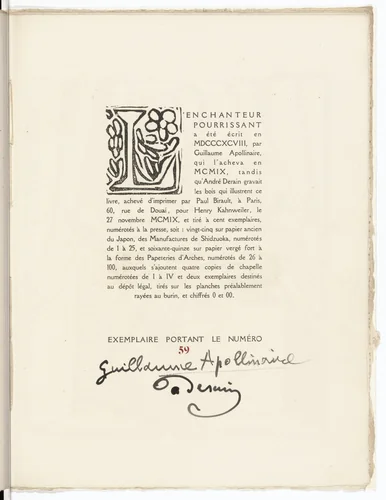
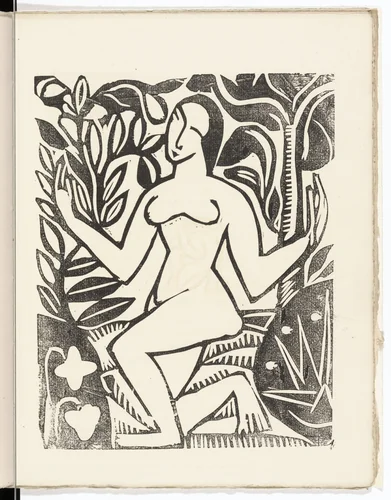
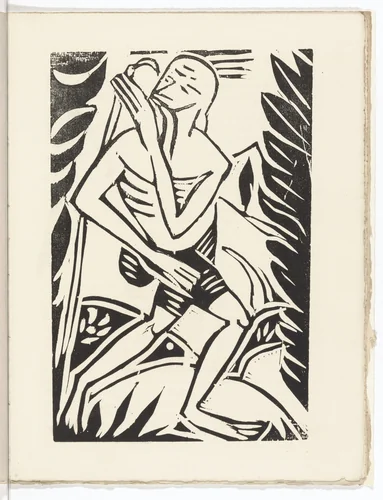
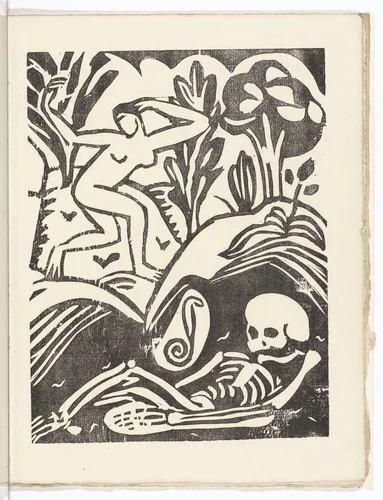
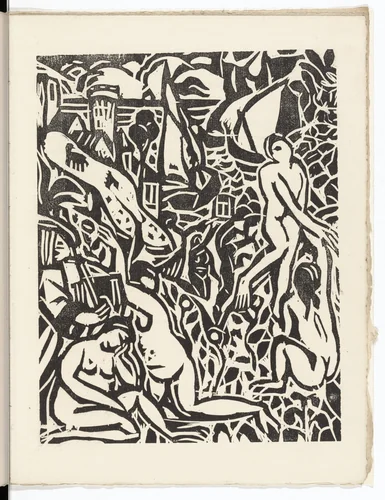
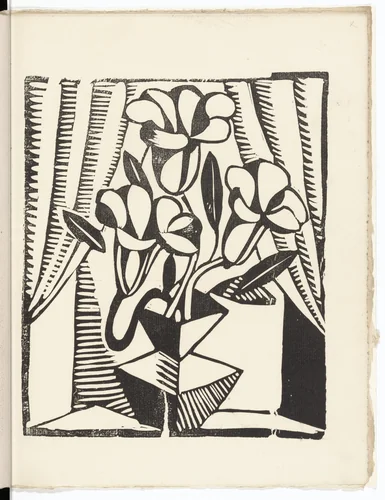
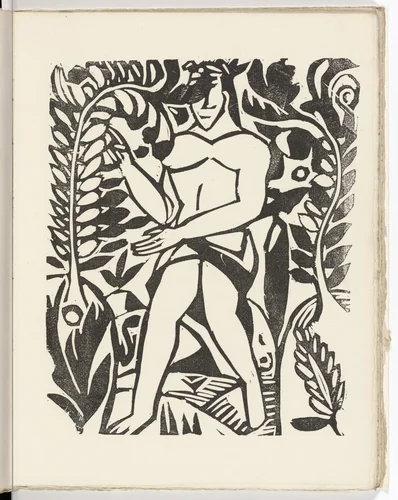
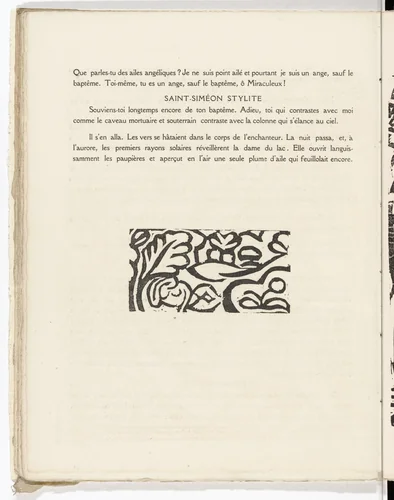
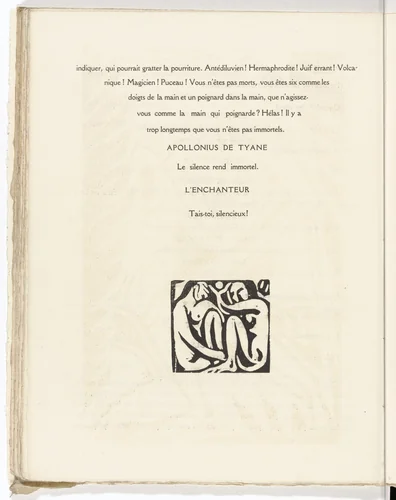
Derain’s versatile output, which spanned painting, sculpture, and illustrated books, is preserved in major institutions globally, including the Museum of Modern Art and the Rijksmuseum. Because much of his influential early work is now in the public domain, enthusiasts are afforded easy access to high-quality prints and downloadable artwork, ensuring his foundational role in twentieth-century modernism remains widely accessible.
Source: Wikipedia · CC BY-SA 4.0