André Adolphe-Eugène Disdéri
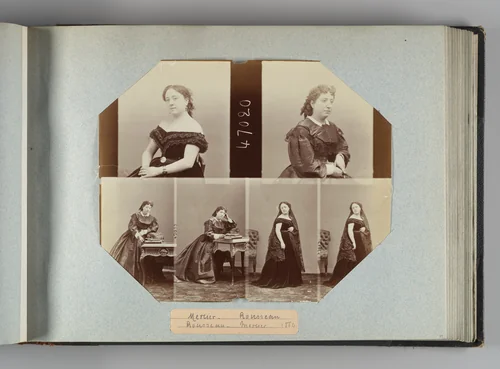
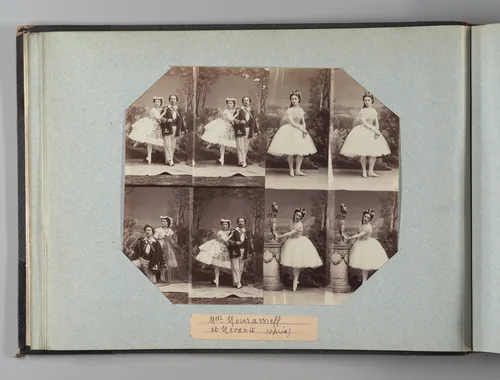
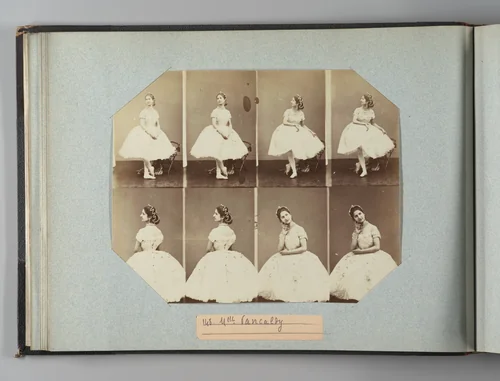
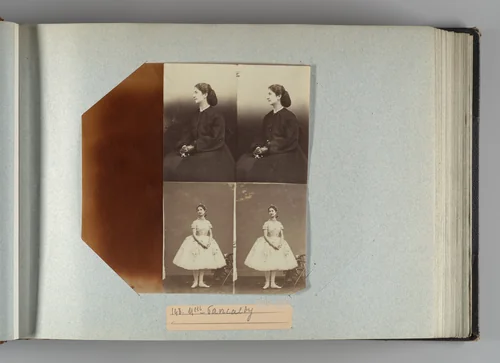
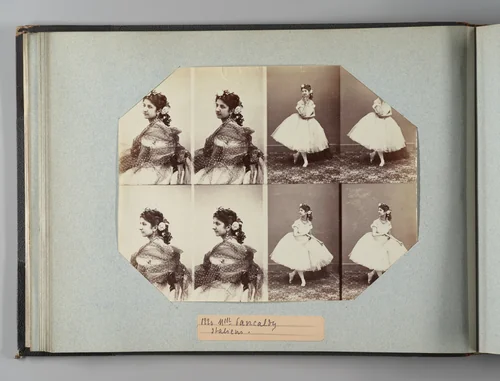
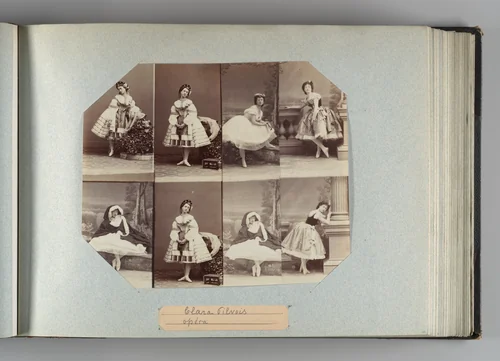
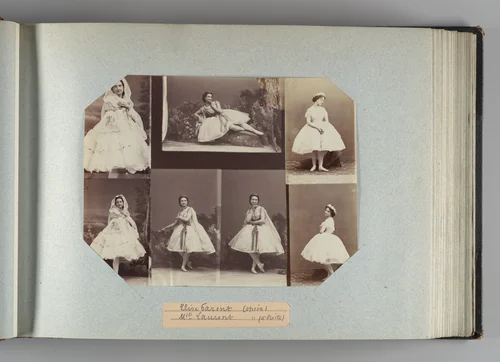
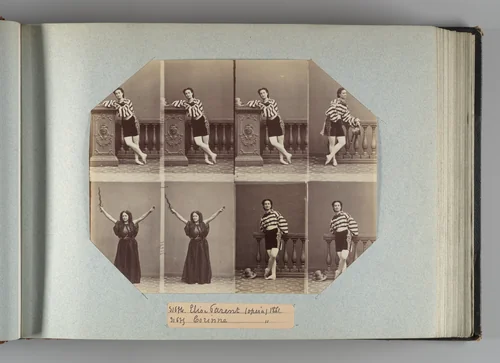
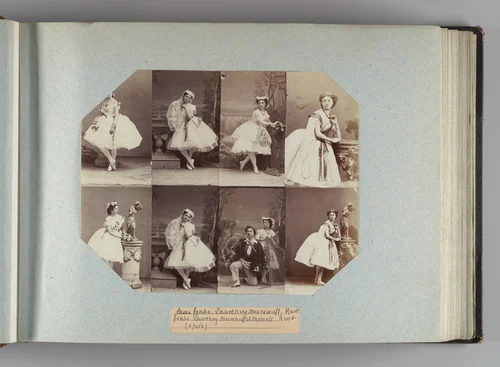
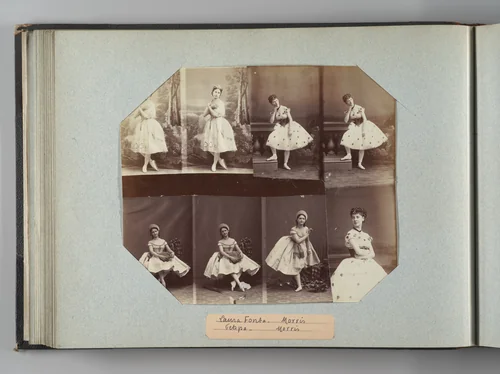
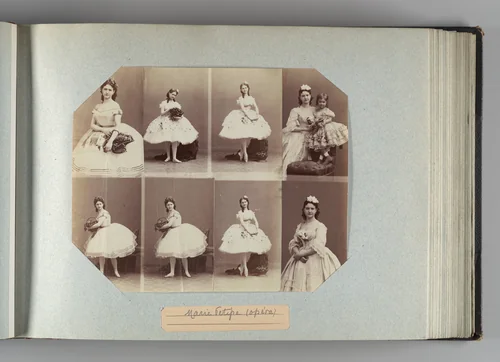
André Adolphe-Eugène Disdéri (active 1848-1850) occupies a pivotal position in the history of photography, not merely as an early practitioner of the daguerreotype, but as the architect of industrial photographic portraiture. In 1854, Disdéri patented his innovative camera system, which fundamentally shifted the economics of image creation. This apparatus allowed photographers to capture up to ten individual small exposures simultaneously on a single photographic plate, drastically reducing both material costs and sitting time.
The resulting product was the carte de visite, a small, affordable photographic print mounted on a thin card, which instantly became a global craze. Disdéri, recognized even by his contemporaries as a brilliant showman, leveraged the efficiency and reproducibility of this system to popularize portraiture among the burgeoning middle classes and the European aristocracy alike. The affordability of the carte de visite transformed the act of sitting for a portrait from a luxury reserved for the elite into a widespread social ritual. Furthermore, it standardized the format, creating a massive, collectible market for images of public figures, from royal families to celebrated writers.
This shift marks a critical moment when photography transitioned from an expensive, artisanal service into a reproducible, mass-market commodity. Disdéri’s commercial acumen propelled him to immense fame; it is an interesting historical observation that this democratization of the image briefly made him one of the wealthiest photographers in Europe.
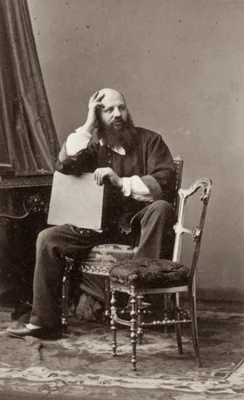
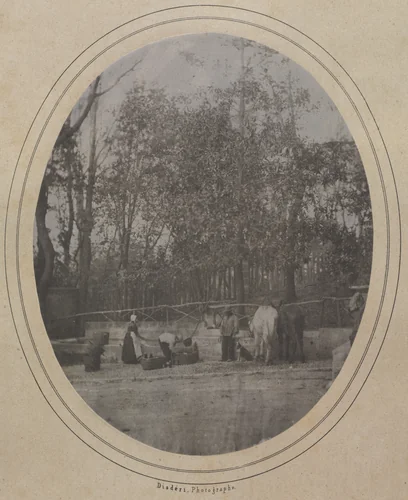
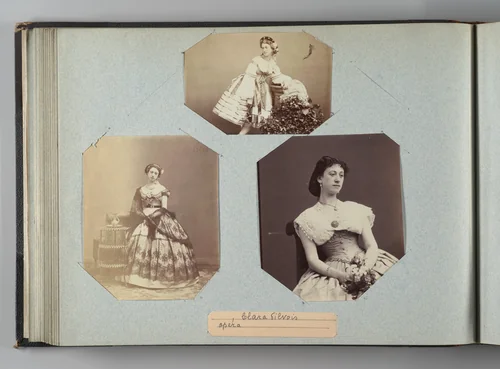
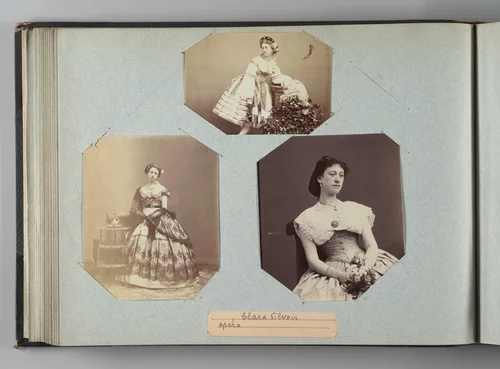
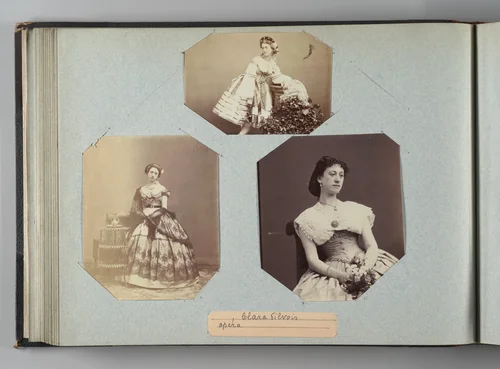
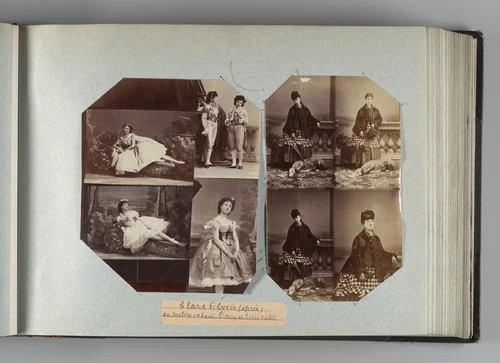
While his greatest achievements were commercial and technical, preserved examples of his work offer invaluable insights into mid-nineteenth century life. These include early studies like Village Scene (Southern France), and commissioned studio portraits such as those documenting the writer Alphonse Karr and the studies of Clara Pilvois.
Today, original Disdéri works are housed in museum-quality collections such as the Metropolitan Museum of Art and the Cleveland Museum of Art. Because of their historical significance and age, much of this influential output is now in the public domain, enabling the distribution of high-quality prints and downloadable artwork to institutions and enthusiasts worldwide. His legacy is etched into the very fabric of visual modernity, having irrevocably linked the photographic image with mass cultural distribution.
Source: Wikipedia · CC BY-SA 4.0
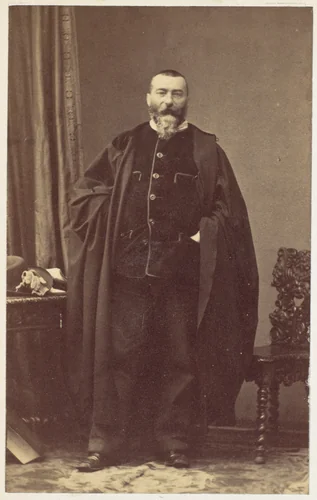
![Ghibert[?]; Alphonse by André Adolphe-Eugène Disdéri, photograph, 1850-1869](https://img.artbee.org/fa47bb5b-3aba-4764-89e6-e8ec8e29013b/small.webp)
![Mechesinski [?] by André Adolphe-Eugène Disdéri, photograph, 1850-1869](https://img.artbee.org/65003871-2c42-4974-977a-1e9942d1ef95/small.webp)