Amy Sillman
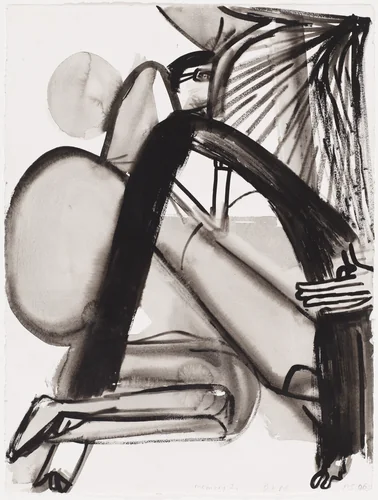
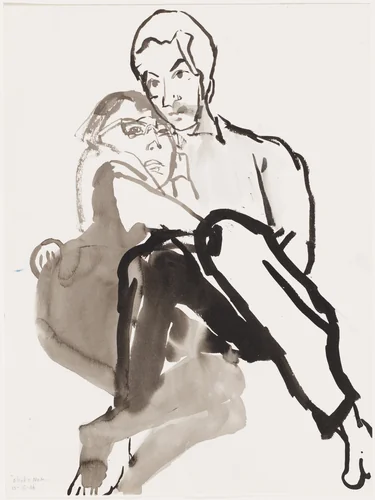
Amy Sillman stands as a pivotal New York-based visual artist celebrated for her rigorous and inventive approach to contemporary painting. Her practice is fundamentally rooted in process, purposefully navigating the space between non-objective abstraction and recognizable figuration, thereby achieving a multivalent visual language that continually evolves. While maintaining a core dedication to the canvas, Sillman’s methodology dynamically incorporates nontraditional media, notably including animation, zines, and sophisticated installation work.
Sillman’s engagement with art history is critical and highly informed. She treats postwar American gestural painting not merely as an influence, but as a foil, drawing upon its energetic visual vocabulary while simultaneously dissecting its theoretical foundations. Central to her practice is a focused feminist critique of the established discourses of genius, mastery, and power. By challenging these ingrained hierarchies, Sillman successfully reintroduces qualities typically marginalized from serious abstraction—including affect, doubt, humor, and productive awkwardness—imbuing her paintings with a striking psychological resonance.
This critical stance has cemented her reputation among critics as a powerful champion for the relevance of painting in the current century. Commentators in The New York Times and ARTnews recognize her for creating a reinvigorated mode of abstraction that reclaims the potency of active brushwork and visible, immediate gestures. She is consistently described as an inventive abstractionist whose often "messy, multivalent, lively" art reframes long-held notions regarding abstraction’s look and emotional character.
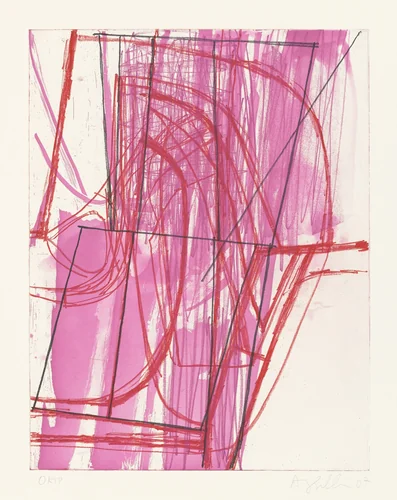
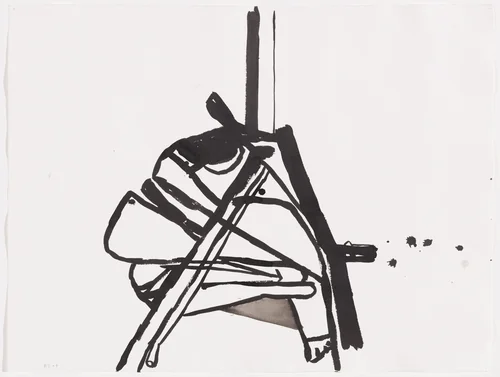
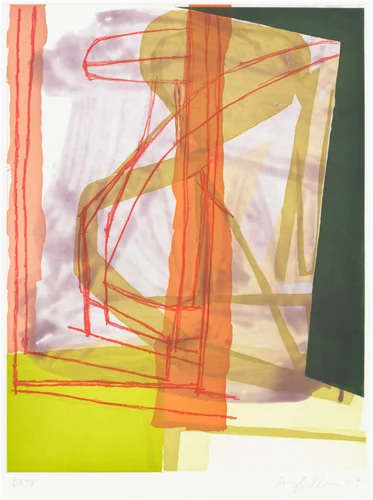
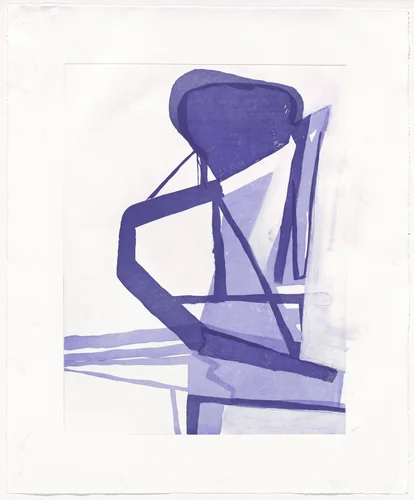
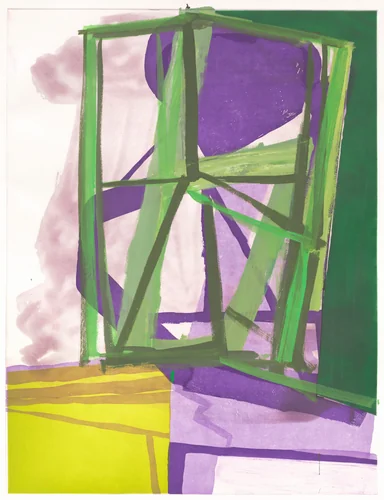
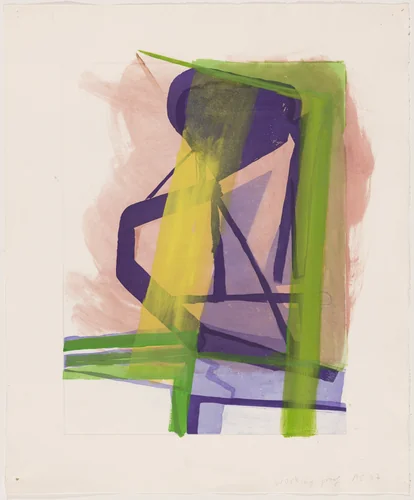
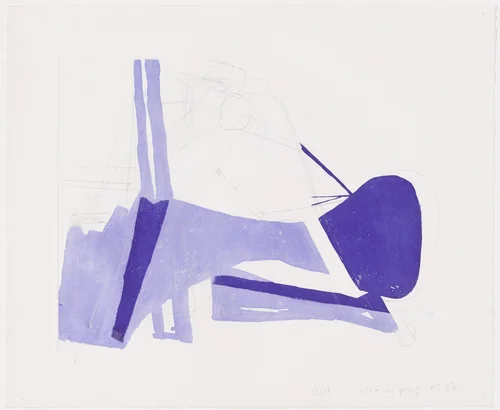
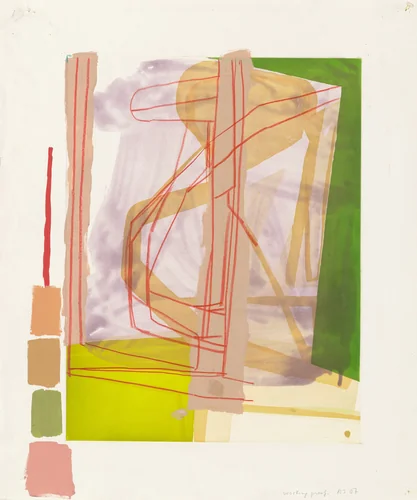
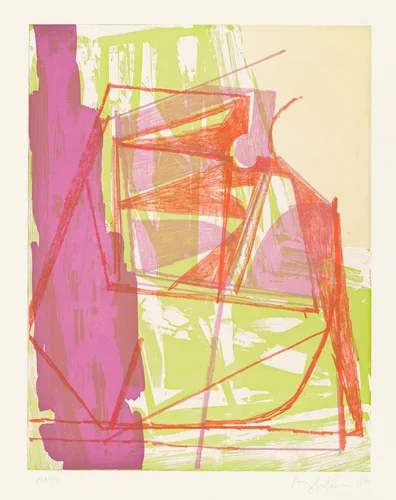
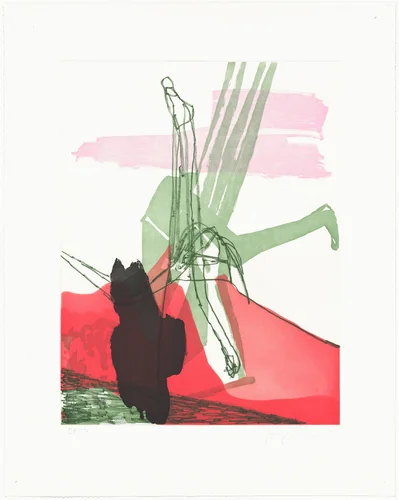
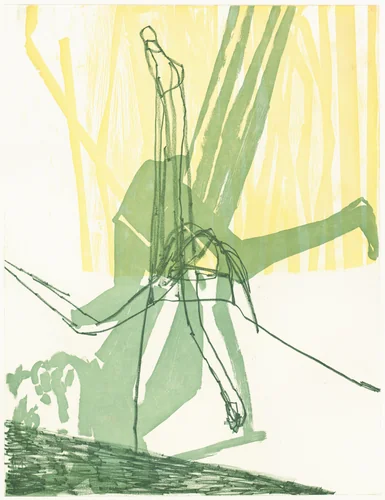
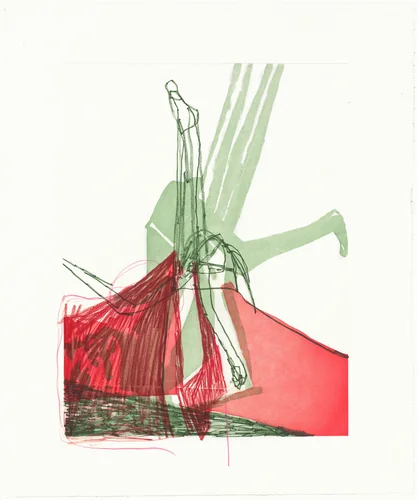
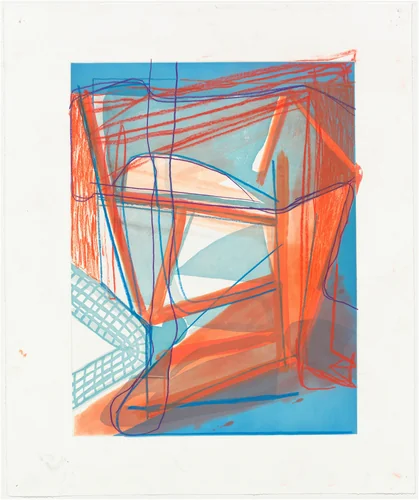
The comprehensive scope of her production includes significant bodies of work in two-dimensional media beyond painting. For instance, her dedicated exploration of reproductive techniques yielded several high-quality prints and drawings during 2006 and 2007, including the key suites Ohad + Nomi and Memory 2, O + N. Twelve prints and three drawings from this period are permanently housed in the collection of the National Gallery of Art, demonstrating the museum-quality standard of her graphic output. By embracing printmaking and often generating works that become available as downloadable artwork through institutional archives, Sillman subtly challenges the notion of singular artistic authority, confirming her dual commitment to formal innovation and critical theory.
Source: Wikipedia · CC BY-SA 4.0