American Tobacco Company
The American Tobacco Company, founded in 1890 by J. B. Duke, quickly established an unprecedented commercial dominance through the aggressive consolidation of leading manufacturers, notably Allen and Ginter and Goodwin & Company. Reflecting its massive financial gravity and industrial scale, the ATC was recognized as one of the original twelve constituents of the Dow Jones Industrial Average in 1896. This unparalleled corporate structure provided the infrastructure necessary to become the era’s most prolific disseminator of popular chromolithography and high-quality prints.
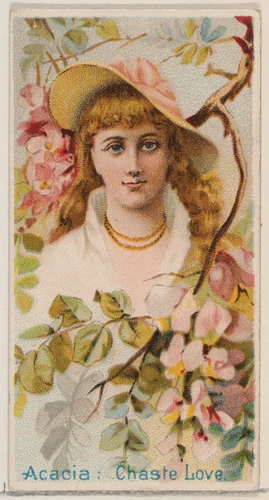
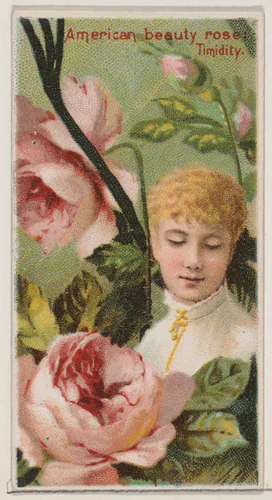
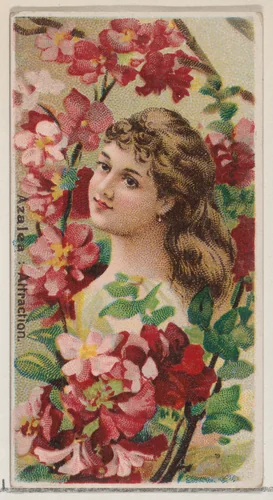
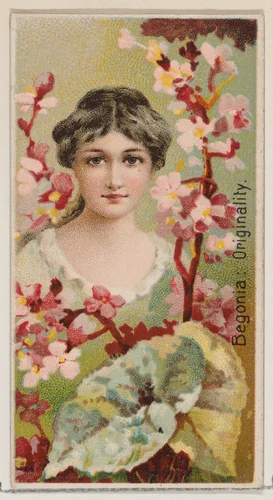
While ATC's primary function was industrial production, the Company also operated, in effect, as a vast publishing house for commercial art. Their principal artistic vehicle was the collectible cigarette card or "trade card," a small print inserted into packaging primarily to stiffen the product but also to serve as an indispensable advertising and consumer-loyalty tool. The fifteen known prints formally attributed to the ATC showcase a sophisticated application of advanced color lithography, a medium that allowed for widespread dissemination of detailed, colorful designs.
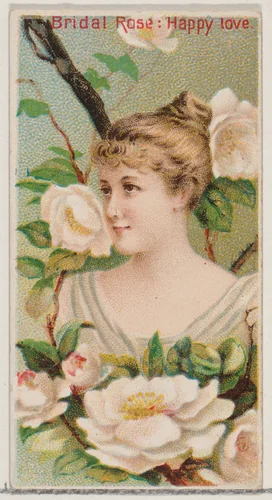
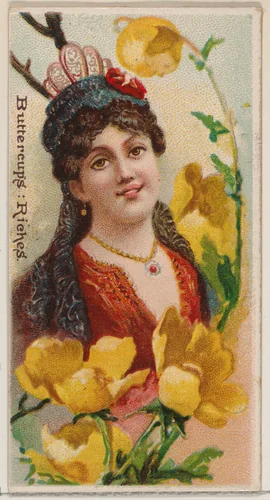
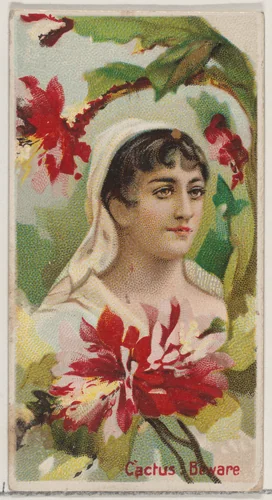
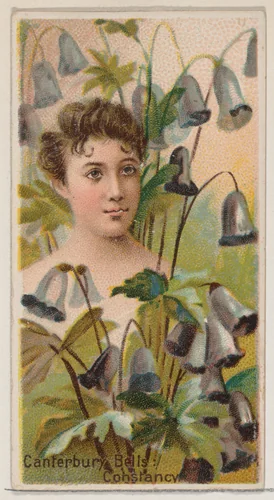
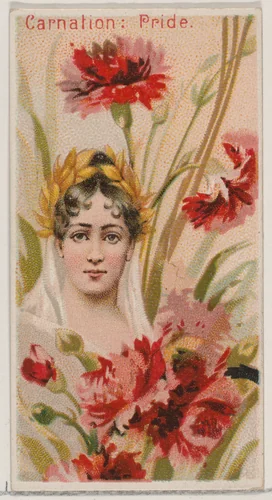
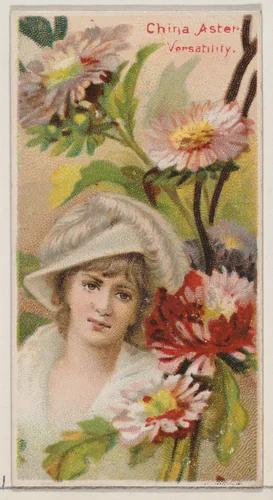
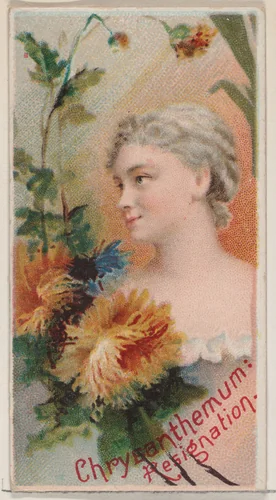
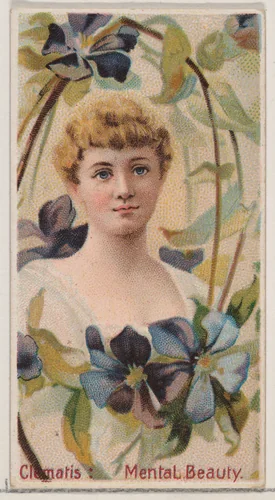
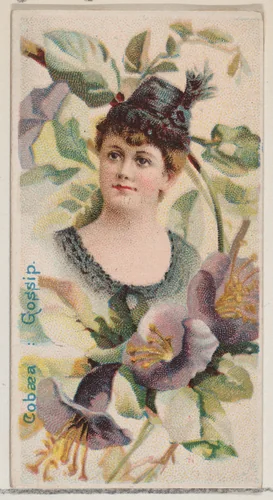
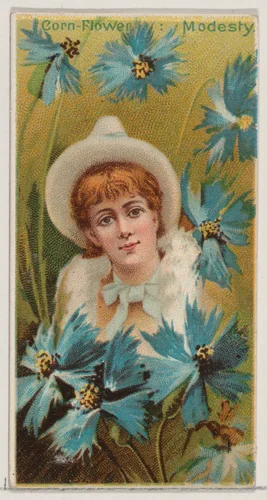
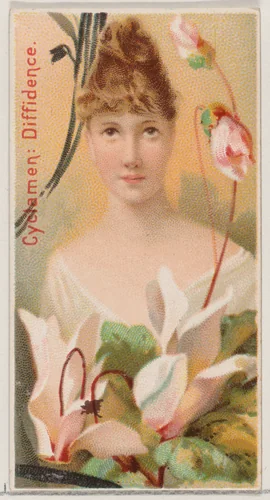
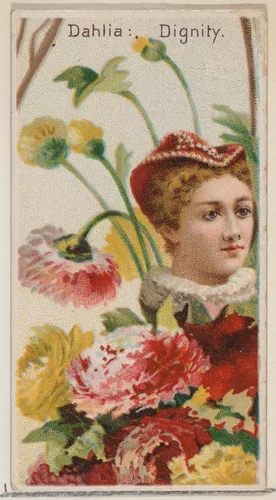
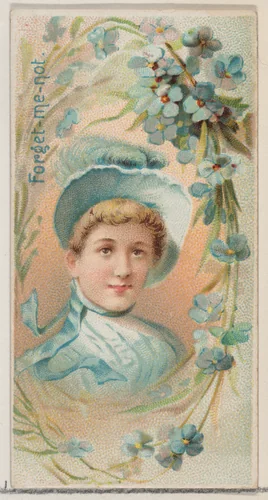
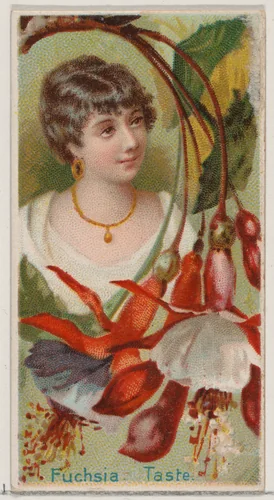
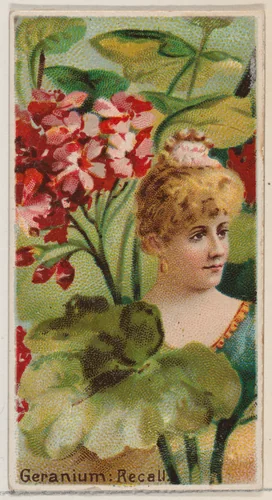
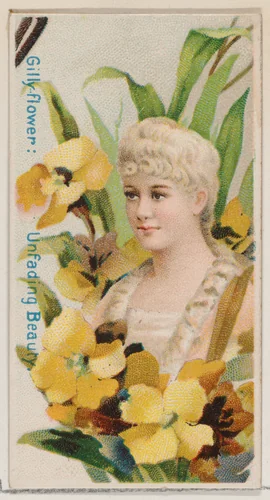
The aesthetic quality of these cards was often exceptionally high, demonstrating a significant investment in illustration and printing technique. This is exemplified by the highly popular Floral Beauties and Language of Flowers (N75) series. Issued for Duke brand cigarettes, this series tapped into the widespread fascination with the Victorian floral dictionary, systematically linking specific blooms like the American Beauty Rose: Timidity and Begonia: Originality to the packaged product. This series, and others like it, effectively pioneering the concept of collectible, free art prints included with a purchase.
The level of meticulous design and reproduction suggests that, despite the ephemeral nature of the medium, the Company understood the lasting cultural value of collectible beauty. It remains one of the fascinating ironies of late nineteenth-century commercial history that some of the earliest, museum-quality American Tobacco Company prints were distributed not via established galleries, but inside packs of cheap tobacco.
The Company’s reign of industrial supremacy was curtailed following federal antitrust action initiated in 1907. This successful legal challenge resulted in the structural dissolution of the ATC in 1911 into several independent operating entities. Despite this breakup, the extensive commercial art heritage generated during its twenty-year tenure remains a key source for studying American advertising design, with many of these historically significant works now available as downloadable artwork for scholarly review. Today, examples of these high-quality prints are preserved in institutional holdings, including the collections of the Metropolitan Museum of Art.
Source: Wikipedia · CC BY-SA 4.0